Amazon arbitration is the mandatory dispute-resolution process that Amazon requires sellers to use in most cases, rather than traditional lawsuits.
If you operate an Amazon store, you are bound by Amazon’s Business Solutions Agreement (BSA). That agreement includes an arbitration clause requiring most disputes between sellers and Amazon to be resolved through private arbitration rather than court litigation.
As a result, if Amazon suspends your account, withholds funds, terminates your selling privileges, or acts inconsistently with its own policies, your primary legal remedy is usually arbitration, not a lawsuit.
For Amazon sellers and ecommerce entrepreneurs, understanding arbitration is essential. When internal appeals fail, arbitration often becomes the primary legal path forward.
Can You Take Legal Action Against Amazon?
In most cases, not through a traditional lawsuit.
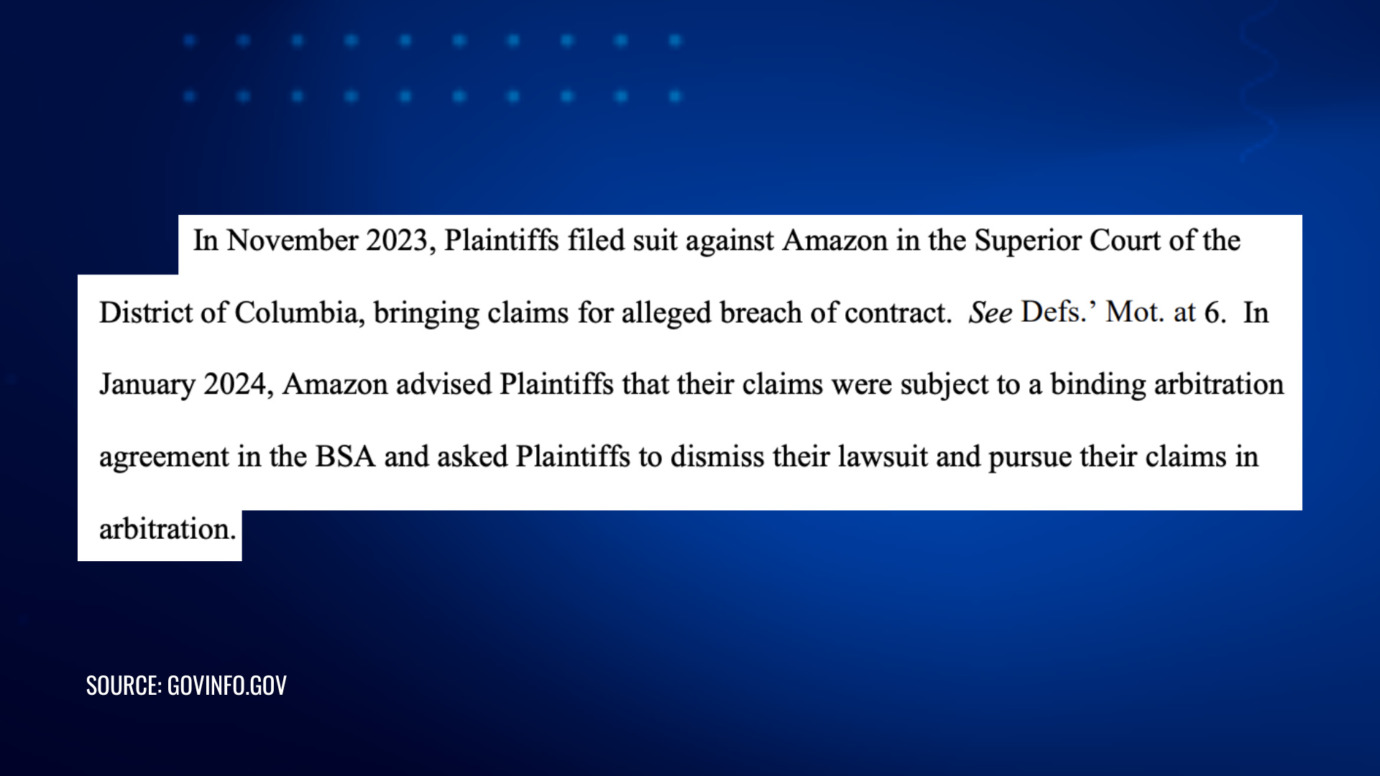
By accepting Amazon’s seller terms, you agree to resolve covered disputes through binding arbitration. This prevents most sellers from suing Amazon in court for issues governed by the BSA.
That said, arbitration is a form of legal action, just handled differently.
Why Amazon Requires Arbitration Instead of Lawsuits
Arbitration typically keeps disputes private and reduces the public litigation exposure that comes with court proceedings. For sellers, this shifts disputes out of the court system and into a formal but less visible legal process.
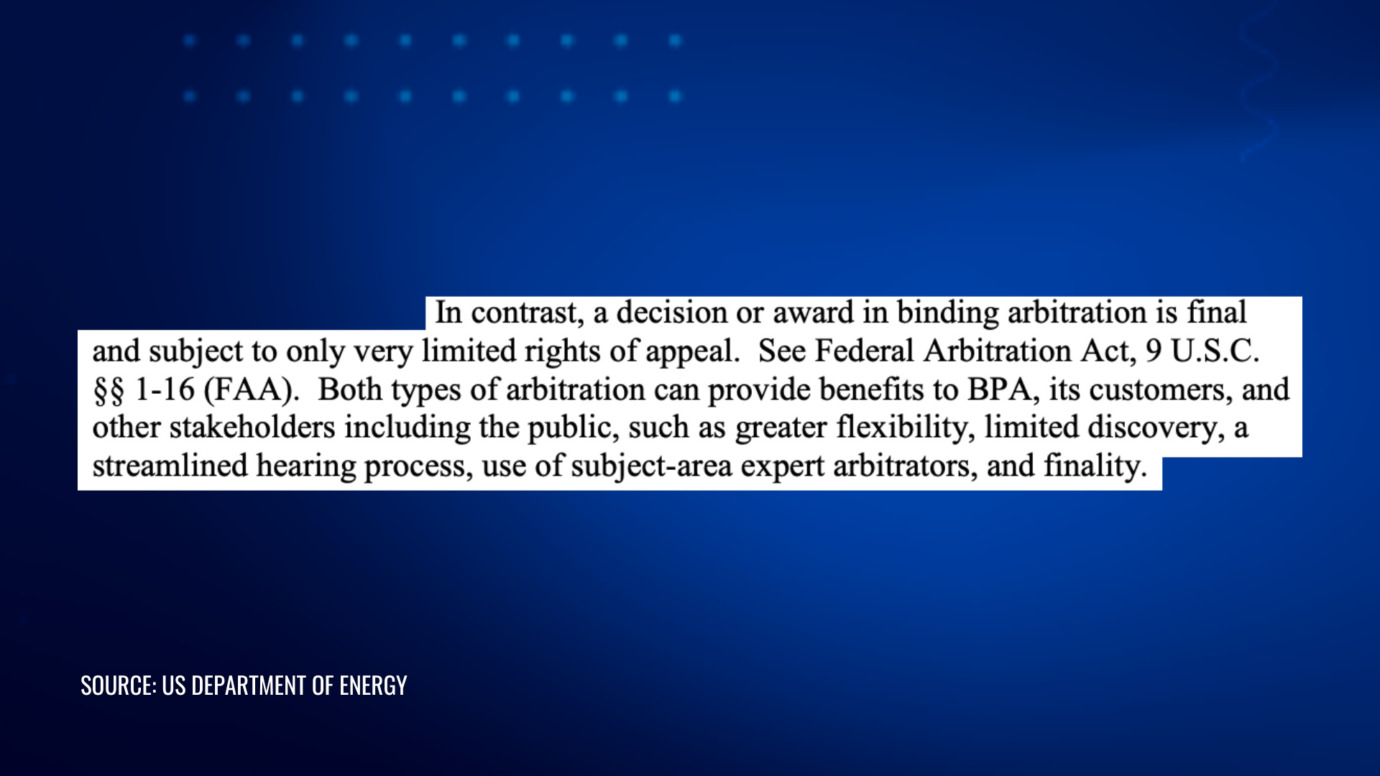
While this limits certain options, arbitration still carries full legal weight and results in enforceable decisions.
Are There Any Exceptions to Amazon’s Arbitration Clause?
The two primary exceptions to Amazon’s arbitration clause, as outlined in BSA Section 18, are:
Small Claims Court
Either you or Amazon may bring an eligible claim in small claims court, provided the claim qualifies and remains in that court.
Intellectual Property (IP) Infringement
Both sellers and Amazon can seek injunctive or other equitable relief in a governing court (typically King County, Washington) for issues involving the infringement of intellectual property rights (such as patents, copyrights, or trademarks).
Other than these limited exceptions, most seller-related issues (including suspensions, withheld funds, and account termination) are subject to arbitration.
Considering arbitration?👉Book a free 15-minute consultation
Amazon Arbitration vs Suing Amazon in Court
Compared to traditional lawsuits, arbitration is:
- Private and confidential
- Decided by a neutral arbitrator rather than a judge or jury
- Binding once a decision is issued
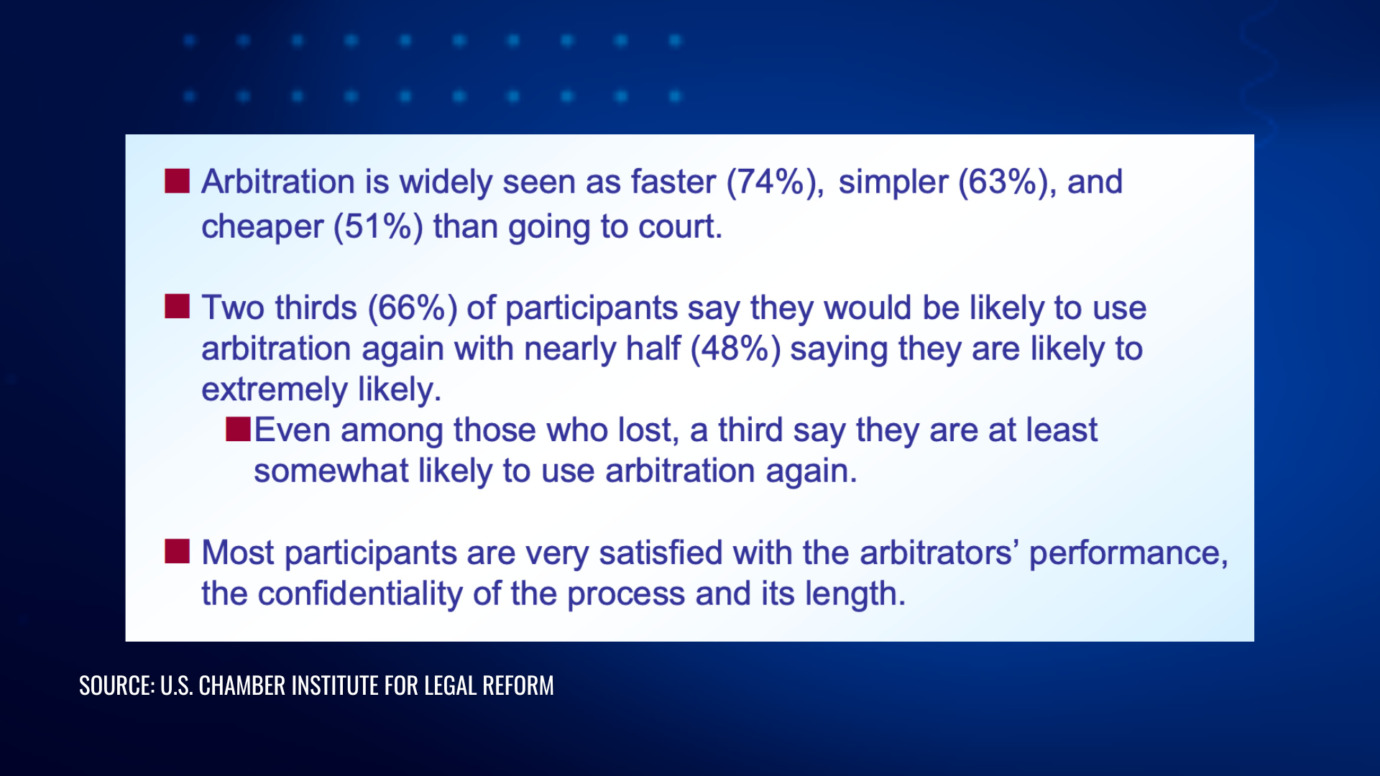
- Often faster than court litigation
For sellers, arbitration is usually the only available legal channel once disputes escalate beyond Seller Central.
How Does Amazon Arbitration Work?
Although arbitration avoids court, it follows a structured legal process.
Filing a Demand for Arbitration
The process begins with a formal demand for arbitration that outlines:
- The nature of the dispute
- The legal basis for the claim
- The relief or compensation sought
This filing must strictly comply with the procedures outlined in Amazon’s seller agreement.
Choosing the Arbitrator and Governing Rules
Most Amazon arbitration cases are administered through the American Arbitration Association (AAA) or a similar body. A single neutral arbitrator is typically appointed to oversee the dispute, selected in accordance with AAA procedures. The arbitrator will review evidence and arguments from both sides before issuing a binding decision. There have been recent procedural updates for 2025/2026, namely:
- Expedited Procedures: Claims seeking exclusively monetary relief of less than $50,000 typically follow the AAA’s Expedited Procedures. This means a faster process, with hearings usually scheduled within 90 days of the arbitrator’s appointment. For very small claims, a “documents-only” review (without a live hearing) may be an option.
- Fees for Small Claims: Under the BSA, Amazon will often reimburse the seller’s filing, administration, and arbitrator fees for claims totaling less than $10,000, unless the arbitrator finds the claim was filed for an improper purpose or is frivolous.
- Virtual Hearings: Since 2025, most AAA arbitration hearings have been held virtually by default (via Zoom or Teams), unless the arbitrator decides an in-person hearing is necessary.
What Happens During an Amazon Arbitration Hearing?
Both parties exchange evidence, submit written arguments, and may participate in hearings, often conducted remotely. Unlike Seller Central appeals, Amazon is required to formally respond and justify its actions under legal scrutiny.
The Arbitrator’s Decision and Outcome
After reviewing the record, the arbitrator makes a binding decision. Keep in mind, the BSA is an “at-will” contract, so it’s rare for arbitrators to require Amazon to reinstate a seller’s account since they can’t force a company to continue doing business with someone.
That said, arbitrators can order Amazon to release withheld funds and may award monetary damages for breaches of contract or for lost inventory. Depending on the situation, outcomes could include other solutions tailored to the dispute.
Common Disputes That Lead to Amazon Arbitration
Amazon arbitration is most often used for high-impact disputes where internal appeals go nowhere.
Wrongful Seller Account Suspension
Sellers frequently pursue arbitration after abrupt suspensions or terminations that lack clear explanations or supporting evidence.
Withheld or Frozen Seller Funds
Arbitration is commonly used to recover significant balances that remain frozen long after an account is terminated.
FBA Inventory Loss and Reimbursement Disputes
Some sellers also turn to arbitration when Amazon loses, damages, or fails to properly reimburse FBA inventory.
Example of an Amazon Arbitration Case
Understanding how arbitration plays out can help sellers decide whether it’s the right step.
The Problem: Sudden Account Termination
An established Amazon seller has their account terminated for alleged policy violations, with little warning and vague explanations.
Failed Seller Central Appeals
Multiple appeals are submitted, but responses remain templated and unhelpful. Funds stay frozen, and selling privileges are not restored.
Outcome After Arbitration
Once arbitration is initiated, Amazon must formally defend its actions. In many cases, this leads to released funds, settlements, or corrective outcomes that internal appeals never achieved.
Is Amazon Arbitration Worth It?
Arbitration is not the right move for every seller, but it can be decisive in the right circumstances.
When Arbitration Makes Sense
- Significant funds are being withheld
- A profitable business has been terminated
- All internal appeals have been exhausted
When Arbitration May Not Be Cost Effective
For smaller balances or lower impact disputes, arbitration costs may outweigh the potential recovery. Careful evaluation is critical before proceeding.
Why Legal Assistance Matters in Amazon Arbitration
Amazon arbitration is not a standard appeal. It’s a binding legal process with real procedural stakes. That said, filing a demand for arbitration often prompts Amazon to engage more seriously, and many disputes are resolved through settlement before a hearing ever takes place.
The real value of legal assistance is clarity and control at a moment when your business is already under pressure.
For sellers, this means:
- Clear answers before committing to arbitration
- Reduced stress and uncertainty
- A structured path forward instead of reactive decisions
- A stronger position, since Amazon must formally respond
- Time back to focus on recovery rather than legal mechanics
Legal intervention is not about escalation. It is about reducing risk, avoiding costly errors, and regaining control when internal systems fail.
How Cabilly & Co. Can Help
Cabilly & Co. works with Amazon sellers and ecommerce entrepreneurs facing serious disputes, including account termination, frozen funds, and unresolved appeals.
What sets the firm apart is a strategy-first approach to Amazon arbitration.
Before any action is taken, sellers receive clarity on:
- Whether arbitration makes sense for their situation
- What outcomes are realistically achievable
- What preparation is critical before moving forward
This prevents sellers from entering arbitration prematurely or without a clear plan.
For disputes that do proceed, Cabilly & Co. brings experience at the intersection of Amazon operations and legal dispute resolution, an area where many sellers struggle to find informed guidance.
The goal is a resolution that protects your funds, your business, and your long-term viability as a seller.
Contact us today to protect your business.


 Mar 30, 2026