And Amazon is asking for something called a Plan of Action.
Most sellers panic and send something generic. It gets rejected, sometimes more than once, and with each failed appeal, reinstatement becomes harder to achieve.
But if you understand what Amazon is actually looking for, you can significantly improve your chances of getting back online.
At Cabilly & Co., we’ve represented many Amazon sellers in suspension and reinstatement proceedings. We’ve also reviewed more Plans of Action than we can count. In this article, we’ll share with you what we’ve learned from those cases and the mistakes we repeatedly see in rejected appeals.
What Is an Amazon Plan of Action (POA)?
A Plan of Action (POA) is a formal written appeal you submit to Amazon after a suspension or account restriction.
It’s not an apology, nor a complaint, nor a negotiation.
It’s your structured explanation of three things:
What went wrong
What you’ve already done to fix it
What you’ve changed to prevent it from happening again
Amazon is looking for operational clarity and accountability. Not emotion, nor background story, nor excuses.
One important point before you start writing: everything you submit becomes part of your account history. Inaccurate statements, exaggerated claims, or commitments you cannot actually implement can create serious problems down the line.
In short, precision matters.
Amazon POA Mistakes That Lead to Rejection
Most POAs are rejected not because the underlying violation was catastrophic, but because the appeal was poorly constructed. Here are the most common errors:
Being vague. Phrases like “we will improve our processes” mean nothing. Amazon wants specific actions tied to a specific failure.
Making excuses. Blaming suppliers, customers, or Amazon itself rarely helps. Even when external factors played a role, Amazon expects you to demonstrate control over your own operation.
Writing too much. Five pages of background will not help your case. Review teams process a high volume of appeals. Clear and concise wins.
Using emotional or defensive language. This is a business compliance matter. Your tone should reflect that.
Copying templates from the internet. Amazon reviewers see the same recycled language repeatedly. Generic submissions are easy to identify and are often rejected quickly.
The 3-Part Amazon Plan of Action Structure
Every effective Plan of Action follows the same structure. Amazon references this framework in its own appeal guidance, yet many sellers still don’t apply it correctly.
Root Cause: What Amazon Is Really Asking
This is where you identify the actual operational failure.
Not speculation, nor context, nor a defense.
Ask yourself: what happened, and why did your internal controls fail?
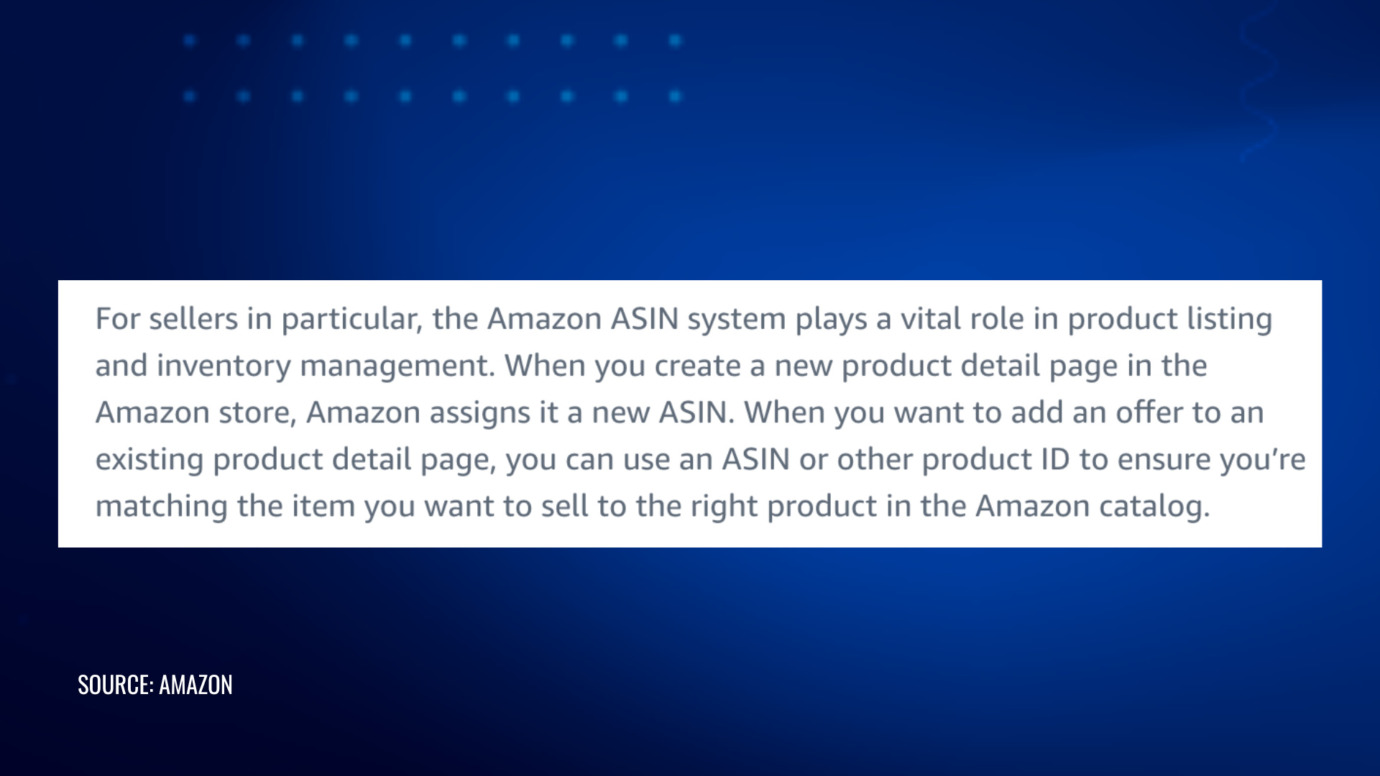
Be precise. Reference the exact ASIN (Amazon Standard Identification Number). Reference the specific policy category. Identify the breakdown in your process. If the root cause was a failure to understand, implement, or monitor Amazon’s policies, state that clearly.
Keep this section tight. Two to four sentences are usually enough.
One additional note: Section 3 suspensions tied to authenticity concerns or restricted products have become increasingly difficult to reverse. Amazon’s tolerance in these categories is low, which makes accuracy and structure even more critical.
Immediate Corrective Actions: Show What You’ve Already Fixed
This section covers what you’ve already done, not what you plan to do. Amazon wants to see completed actions, not promises.
Examples of strong corrective actions:
Removing violating listings
Conducting a full inventory audit
Updating listing content
Ending a supplier relationship
Specificity is everything here. Instead of writing “we reviewed our inventory,” write: “We conducted a manual audit of all 247 active ASINs and removed three non-compliant listings.” Specific actions demonstrate operational control.
Long-Term Preventive Measures: Prove the Problem Won’t Repeat
This is where you explain the systems you’ve put in place to prevent the issue from happening again. Amazon wants to see structural change, not a temporary fix.
Critically, your preventive measures must connect directly to the root cause you identified in the first section. If they don’t, the appeal will feel constructed rather than genuine.
Amazon POA Example: What a Strong Appeal Looks Like
Here is how the difference between a weak and a strong POA plays out in practice.
Scenario: A seller listed a product that required prior approval but did not obtain it.
Weak POA:“We didn’t realize approval was required. We will be more careful in the future.”
This shows no system change and will likely be rejected.
Stronger POA:
Root cause: “Our account was suspended after we listed a topical product on March 15 without obtaining required approval under Amazon’s restricted products policy. We didn’t t have a formal pre-listing compliance review process in place.”
Immediate corrective actions: “We deleted the ASIN immediately and conducted a full audit of 182 active listings to confirm no additional products require prior approval.”
Long-term preventive measures: “We implemented a mandatory compliance checklist before any product is listed, and assigned one team member responsibility for monitoring policy updates weekly and documenting review results.”
That structure accepts responsibility, shows specific action, and demonstrates real operational change, which is exactly what Amazon is evaluating.
Not sure if your Plan of Action is strong enough before you submit it? A single rejected appeal can make reinstatement significantly harder.Contact Cabilly & Co. for a professional review before you hit send.
When to Hire a Lawyer for an Amazon Suspension Appeal
Not every suspension requires legal representation. Many sellers can successfully appeal on their own when the issue is straightforward, and it is a first-time incident.
However, professional assistance becomes more relevant when:
When you submit a Plan of Action, you are making formal representations about your business practices. Inconsistencies across multiple appeals can create long-term risk to your account standing.
Professionals who regularly handleAmazon seller suspensions understand Amazon’s enforcement patterns, common rejection triggers, and how to structure commitments effectively. There are no shortcuts, but experience does matter.
For a broader understanding of what Section 3 actually means and why Amazon uses it so broadly, Amazon’s own seller performance policies provide useful context, and theSeller Central help pages outline Amazon’s appeal process directly.
Need Help With Your Amazon Section 3 Appeal?
Section 3 suspensions are serious – but they are not automatically permanent. With the right structure, clear accountability, and a genuine plan of action, reinstatement is possible.
If you are currently dealing with a suspension and want a professional review of your situation, our team at Cabilly & Co. is ready to help.
Contact us today to discuss your case.
Key Insights
A Plan of Action must clearly identify the root cause, not just describe what happened.
Amazon prioritizes specific corrective actions over vague promises.
Clear and concise appeals perform better because reviewers handle high volumes of cases.
You must take full responsibility, even if external factors contributed to the issue.
Generic or templated responses increase the likelihood of rejection.
Immediate actions must show completed fixes, not future plans.
Preventive measures must directly address the identified root cause.
Detailed and verifiable actions build credibility with Amazon reviewers.
Inconsistent or inaccurate statements can damage your account long-term.
System-level changes matter more than one-time fixes.
Frequently Asked Questions
What is an Amazon Plan of Action for a Section 3 suspension?
You submit a Plan of Action as a formal written appeal to Amazon after a suspension. In the POA, you explain what went wrong, detail the corrective actions you have taken, and outline the changes you’ve made to prevent it from repeating.
How long should an Amazon Plan of Action be?
There’s no fixed length, but shorter and more precise is generally better. A well-structured POA of one to two pages is far more effective than a lengthy narrative.
Can I use a Plan of Action template for my Amazon appeal?
We strongly advise against. Amazon reviewers recognize recycled language. Your POA should reflect the specific facts of your account and suspension.
What happens if my Amazon Plan of Action is rejected?
If Amazon rejects your appeal, you can still continue the process, but submitting repeated or poorly worded appeals will make reinstatement more difficult. At that point, you should consider consulting with a professional who handles Amazon suspensions.
Do I need a lawyer to write an Amazon Plan of Action?
Not always. For simple, first-time suspensions, many sellers can write a POA themselves.
However, a lawyer can significantly improve your chances, especially in complex cases like repeat violations, IP issues, or rejected appeals. If there’s serious revenue at risk, professional help is often worth it.
Legal Disclaimer: The articles published on our platform are for informational purposes only and do not constitute legal advice in any form. They are not intended to be a substitute for professional legal counsel. For any legal matters, it is essential to consult with us or a qualified attorney who can provide advice tailored to your specific situation. Reliance on any information provided in these articles is solely at your own risk.


 Mar 30, 2026