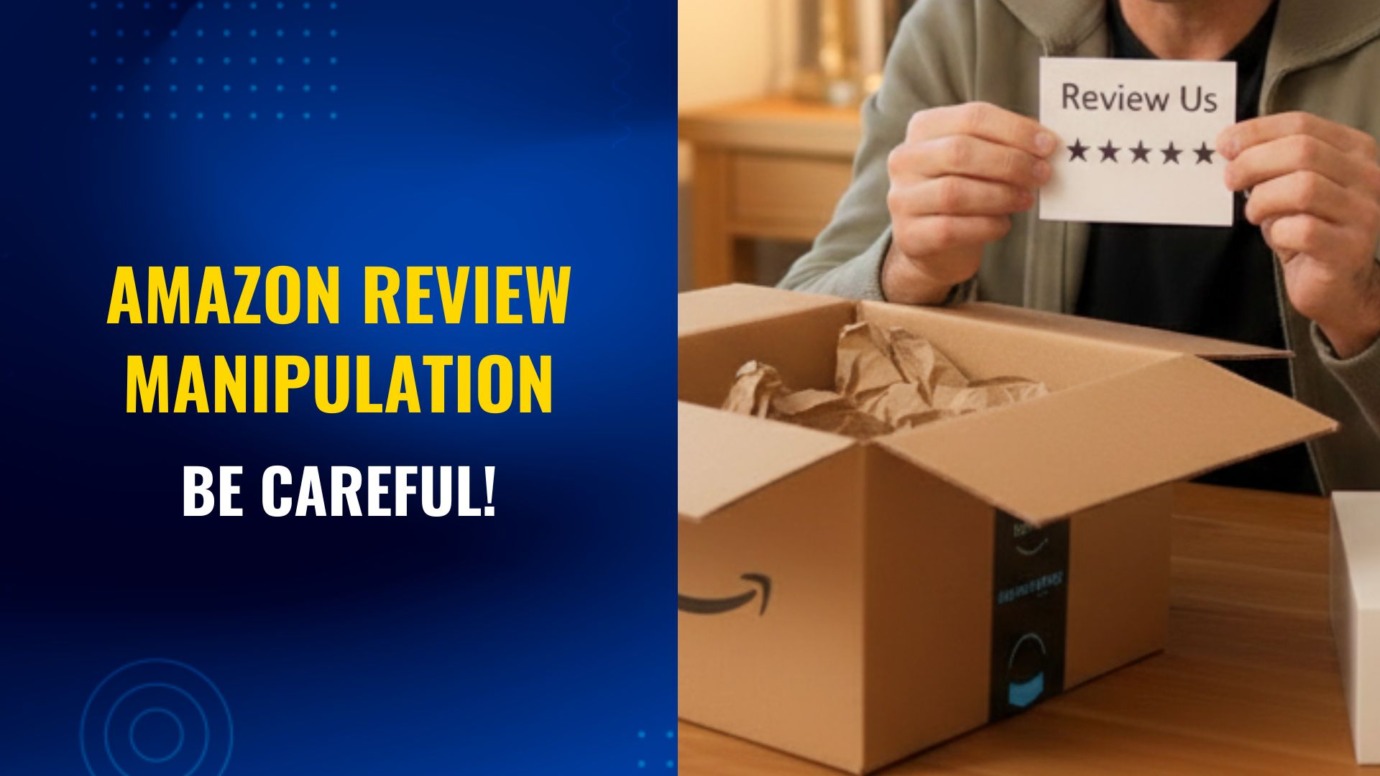
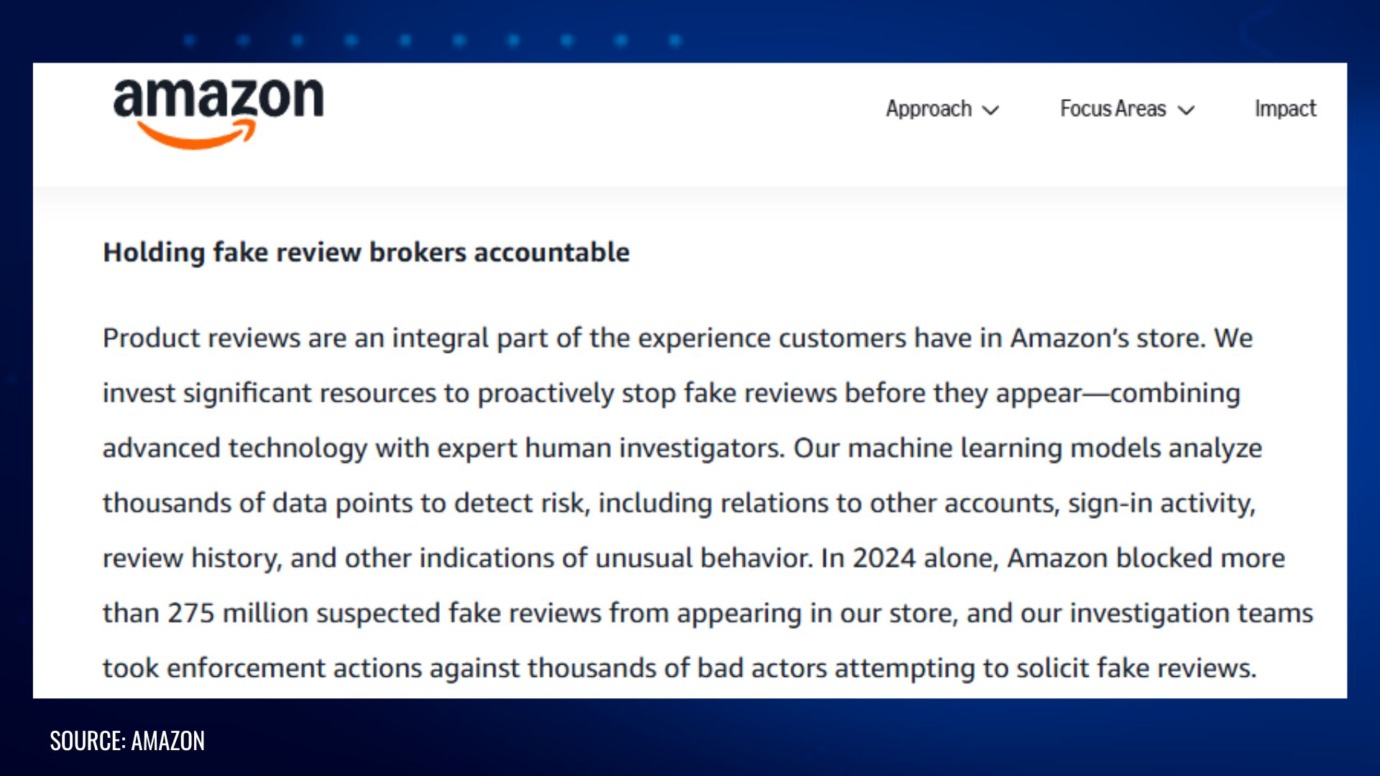
Amazon blocked over 275 million fake customer reviews in 2024 alone – and the crackdown continues to intensify. What many sellers don’t realize is that even innocent customer service mistakes can now trigger immediate account suspension. If you’re selling on Amazon, understanding review manipulation policies isn’t optional anymore – it’s essential to your business survival.
At Cabilly & Co., we’ve handled hundreds of review manipulation cases over the past year, and we’re seeing a dramatic shift in enforcement. Legitimate sellers with clean track records are now facing permanent suspension over single missteps – even for practices that were tolerated just months ago.
As Amazon sellers face increasingly aggressive enforcement, knowing exactly what constitutes review manipulation and how to stay compliant has become critical. In this comprehensive guide, we’ll walk you through everything you need to know to protect your account.
Amazon has always prohibited fake reviews, but enforcement reached unprecedented levels in 2024. The platform didn’t just remove suspicious reviews – they permanently banned major brands like Mpow and Aukey, both multi-million-dollar sellers with established market presence.
Three key factors are driving this dramatic shift in enforcement:
Customer Trust Is Amazon’s Priority
Amazon has made a strategic decision: protecting customer confidence matters more than protecting seller revenue. If shoppers can’t trust product reviews, they’ll abandon the platform entirely. When Amazon suspects review manipulation, they won’t hesitate to suspend even highly profitable accounts.
Regulatory Pressure Is Mounting
In 2024, the FTC introducedrules allowing fines exceeding $50,000 per fake review. Similar regulatory pressure is coming from the UK and EU. Amazon is responding by aggressively cleaning up the marketplace to avoid government intervention and penalties.
AI Detection Systems Are More Sophisticated
Amazon’s artificial intelligence can now identify patterns that were impossible to detect just a few years ago. The system analyzes unusual reviewer behavior, coordinated posting patterns, sudden review spikes, and thousands of other statistical signals simultaneously. You’re not dealing with manual spot-checks – you’re dealing with machine learning that processes massive datasets in seconds.
What Amazon Actually Considers Review Manipulation
Here’s where many sellers get caught off guard: Amazon’s definition of review manipulation is far broader than most people assume.
Obvious Violations Everyone Knows About
Buying reviews from third-party services
Using Facebook groups or forums to exchange reviews
“Refund-for-review” schemes where customers receive compensation for feedback
Review services that promise guaranteed positive reviews
Amazon is actively suing many of these companies and suspending sellers connected to them.
Hidden Violations That Trap Legitimate Sellers
What surprises most sellers are the practices that seem innocent but Amazon treats as serious violations:
Offering Any Incentive for Reviews Discounts, gift cards, free products, or any form of compensation – even with instructions to “leave an honest review” – violates Amazon’s policies. The incentive itself is considered manipulation, regardless of the reviewer’s independence.
Selective Solicitation If you ask satisfied customers to leave reviews while directing unhappy customers to contact you privately, Amazon views this as filtering out negative feedback. They treat it exactly the same as artificially inflating star ratings.
Problematic Insert Cards While Amazon technically allows neutral feedback requests, insert cards are risky territory. Any card mentioning discounts, rewards, or contests violates policy. Even neutral language can be misinterpreted. Many Amazon sellers facing suspension discover too late that their insert cards triggered enforcement action.
Review Swapping Exchanging reviews with other sellers results in instant suspension. Amazon’s algorithms track relationships between accounts and identify coordinated patterns.
Friends, Family, and Employee Reviews Amazon tracks connections between accounts with remarkable accuracy. They’ll discover relationships you didn’t even realize could be linked – shared IP addresses, overlapping payment methods, or behavioral patterns.
Real Case Study: When Customer Service Becomes a Violation
Let us share a case that demonstrates how strict Amazon’s enforcement has become.
A seller received a negative review. Their customer service team followed standard protocol: they reached out, offered to send a free replacement product, and shipped it promptly. This is completely normal customer service practice.
The problem occurred afterward. Someone on the team followed up to check if the customer was satisfied and mentioned reviews in that conversation. They didn’t explicitly ask for a review. They didn’t request that the customer change their existing review. But the combination of “free replacement” plus “conversation about reviews” was enough.
Amazon suspended the account with a 72-hour deadline to appeal.
Why? Because from Amazon’s algorithmic perspective, that sequence looks like an attempt to influence feedback. Here’s the critical point: your intent doesn’t matter to Amazon – only the appearance of manipulation matters.
We had to act quickly. We reviewed every buyer-seller message, identified the exact language that triggered Amazon’s system, and documented immediate corrective actions. This included updated communication templates, new team training protocols, and revised standard operating procedures. We submitted a detailed Plan of Action explaining precisely what happened, why it occurred, how it was fixed, and what systems were implemented to prevent recurrence.
The account was reinstated – but the lesson was costly. The seller genuinely believed they were simply providing excellent customer service. But Amazon’s enforcement logic is broad and unforgiving.
What to Do If You’re Accused of Review Manipulation
If Amazon has accused you of review manipulation, time is your enemy. Amazon typically provides 72 hours to submit a Plan of Action. Missing this window dramatically reduces your chances of reinstatement.
Avoid These Critical Mistakes:
Generic appeals that don’t address Amazon’s specific concerns
Vague promises without concrete corrective actions
Defensive language that disputes Amazon’s findings
Poorly documented evidence of policy changes
Amazon’s appeal system is increasingly automated. If your Plan of Action doesn’t directly address every point Amazon raised with specific evidence, it will be rejected – often without human review.
At Cabilly & Co., we specialize in Amazon suspension appeals and understand exactly what Amazon’s review teams and automated systems are looking for in a successful appeal.
How to Stay Compliant and Avoid Suspension
Prevention is always better than fighting suspension. Here’s how to protect your account:
Use Only Amazon’s Approved Tools
The safest approach is relying exclusively on Amazon’s “Request a Review” button inside Seller Central. This sends a completely compliant, platform-approved message. Don’t write custom review requests. Don’t use third-party templates unless you’ve reviewed them meticulously with legal expertise.
Never Mention Reviews After Providing Something Free
If you send a replacement, refund, or any form of compensation, do not mention reviews in any subsequent communication with that customer. Create a clear separation between customer service resolution and feedback requests.
Treat All Customers Identically
Don’t selectively ask for reviews. Don’t route unhappy customers to private messaging while encouraging satisfied customers to review publicly. Amazon wants an authentic mix of positive and negative feedback – that’s what builds genuine customer trust.
Audit Your Entire Communication System
Review all email templates
Check insert cards and packaging materials
Examine automated messaging sequences
Verify third-party tool configurations
Train Your Team Thoroughly
One well-meaning employee using the wrong sentence can cost you your entire business. Make sure everyone who communicates with customers understands Amazon’s review policies completely. Document your training and keep records.
The Current Enforcement Environment: Zero Tolerance
Amazon has adopted an almost zero-tolerance approach to review manipulation. We’ve seen sellers with years of clean history permanently banned over a single mistake. The platform is making examples of violators to send a clear message to the entire marketplace.
Recent enforcement trends include:
Appeals have become significantly harder to win
Automated systems reject generic Plans of Action instantly
Amazon is pursuing legal action against review service companies
The platform is partnering with regulators to shut down review networks
Permanent bans are increasingly common, even for first-time violations
If someone offers you fast reviews, walk away immediately. If someone promises guaranteed five-star feedback, that’s a trap designed to profit from your desperation. The risks are simply too high.
Building Reviews the Right Way Takes Time – But It’s Worth It
There are no shortcuts that justify the cost of suspension. Amazon has made it clear: they will permanently ban sellers who violate review policies, regardless of sales volume or business history.
Focus on legitimate review-building strategies:
Deliver exceptional products that naturally earn positive feedback
Provide outstanding customer service that encourages organic reviews
Use Amazon’s approved “Request a Review” button consistently
Be patient – authentic review growth takes time, but it’s sustainable
Building a successful Amazon business requires significant time, investment, and effort. Don’t let review manipulation accusations destroy what you’ve built. Stay informed about policy changes, train your team on compliance, and implement systems that keep you in compliance with Amazon’s rules.
If Amazon has already accused you of review manipulation, don’t wait – the first appeal matters most, and time is critical. The difference between reinstatement and permanent suspension often comes down to how quickly and effectively you respond.
Need help navigating Amazon’s review policies or appealing a suspension? Our team at Cabilly & Co. specializes in Amazon seller compliance and has successfully helped hundreds of sellers resolve suspension issues. Contact us to protect your business and get expert guidance on your specific situation.
Amazon Review Manipulation FAQ
What happens if Amazon accuses me of review manipulation?
If Amazon suspects review manipulation, you typically receive a suspension notice with a 72-hour deadline to submit a Plan of Action.
Consequences include immediate account suspension, frozen funds, loss of selling privileges, and in severe cases, permanent account termination.
What's the safe way to request customer reviews on Amazon?
The only completely safe method is using Amazon’s “Request a Review” button inside Seller Central, which sends a platform-approved, compliant message. Never write custom review requests, and avoid third-party templates unless you’ve reviewed them with legal expertise.
Critically, never mention reviews in any communication that follows providing something free to a customer (replacement, refund, discount). Don’t selectively ask only satisfied customers for reviews while routing unhappy customers to private messaging – Amazon views this as filtering negative feedback. Treat all customers identically, and avoid insert cards entirely as they’re too easy to misinterpret, even with neutral language.
The safest approach is to focus on excellent products and customer service that naturally encourages organic reviews.
How does Amazon detect fake reviews?
Amazon uses sophisticated AI and machine learning algorithms that analyze thousands of variables simultaneously to identify suspicious review patterns.
The system tracks unusual reviewer behavior (such as multiple reviews in short timeframes), coordinated posting patterns between accounts, sudden review spikes, relationships between buyer and seller accounts (shared IP addresses, payment methods, shipping addresses), reviewer history across the platform, and timing correlations between customer service interactions and review posts.
Is it safe to buy Amazon reviews from third-party services?
No – buying Amazon reviews is strictly prohibited and will result in permanent account suspension. Amazon is actively suing companies that sell review services and suspending sellers connected to them. Any service promising “guaranteed five-star reviews,” “fast reviews,” or access to reviewer networks is a trap that puts your entire business at risk.
Amazon’s AI detection systems can identify purchased reviews through coordinated posting patterns, unusual reviewer behavior, and account relationships. Even if a service claims reviews are “organic” or “verified,” Amazon’s machine learning analyzes thousands of variables to detect manipulation.
Legal Disclaimer: The articles published on our platform are for informational purposes only and do not constitute legal advice in any form. They are not intended to be a substitute for professional legal counsel. For any legal matters, it is essential to consult with us or a qualified attorney who can provide advice tailored to your specific situation. Reliance on any information provided in these articles is solely at your own risk.

 Mar 30, 2026