Key Insights
- Arbitration cost includes all administrative and professional fees and varies by dispute and provider.
- You’re not required to hire an arbitration attorney, but having one can significantly improve your outcome.
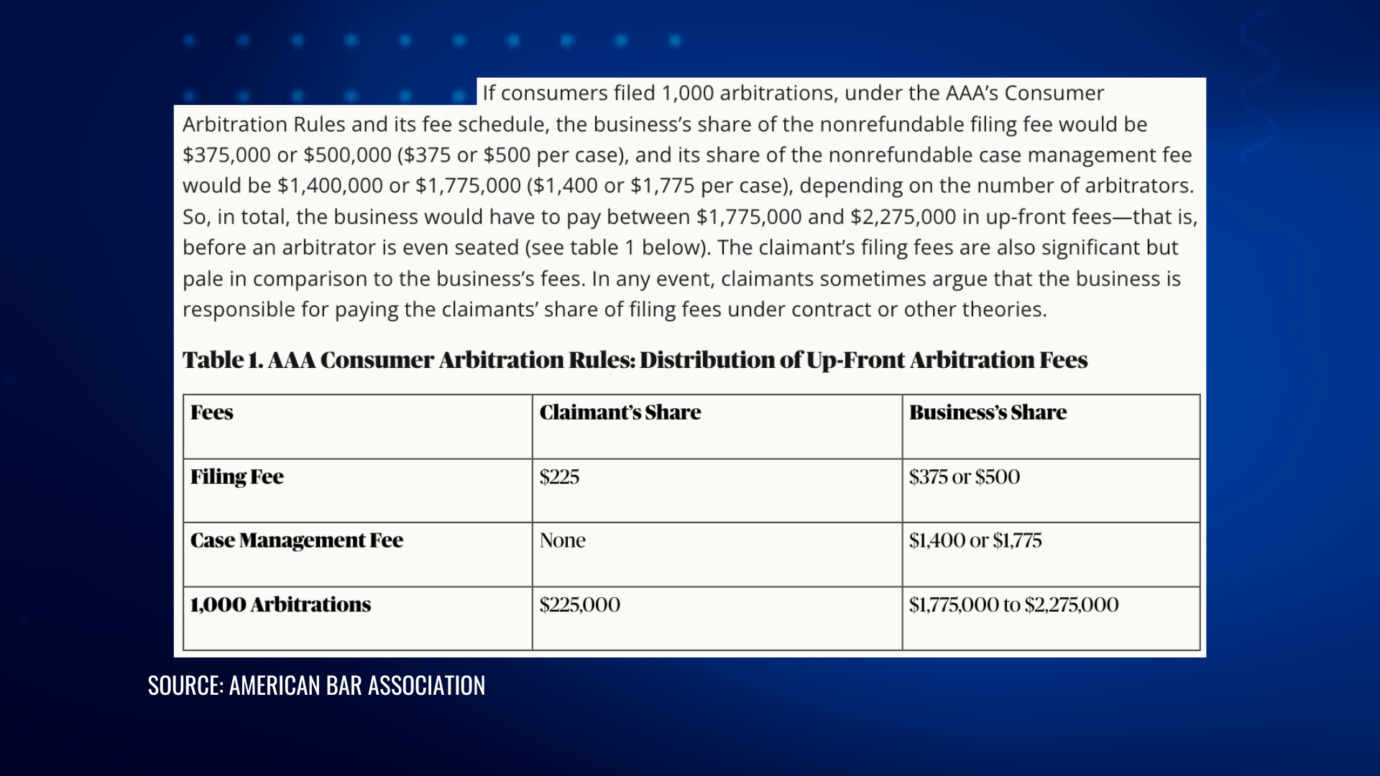
- Arbitration attorneys typically charge between $300–$800 per hour, depending on experience, practice area, and location. This is separate from the arbitrator’s fee, which is set by the arbitration provider, currently $300 per hour under AAA Consumer Rules.
- The main factors affecting arbitration cost are attorney experience, case difficulty, and geographic location.
- Some law firms offer flat-fee arbitration legal representation to help you budget predictably.
- Arbitration service providers differ in how they bill, so compare providers based on structure, transparency, and included services.
- Always compare arbitration providers by fee structure, service quality, and support before deciding.
Arbitration costs are a critical part of protecting your small business when it faces legal disputes, but what goes into that number isn’t always obvious at first glance.
In the past, this meant a lawsuit. Today, many business contracts include a mandatory arbitration clause. And even if they don’t, you might choose arbitration to settle a dispute privately. Of course, the biggest question on your mind is likely: How much is this going to cost my business?
We’ve helped hundreds of entrepreneurs make smart decisions on how to handle business-related disputes without ruining their cash flow. This guide breaks down what our team knows about the expenses you can expect, from filing fees to attorney rates, so you can be better prepared.
Do I Need a Lawyer to Go to Arbitration?
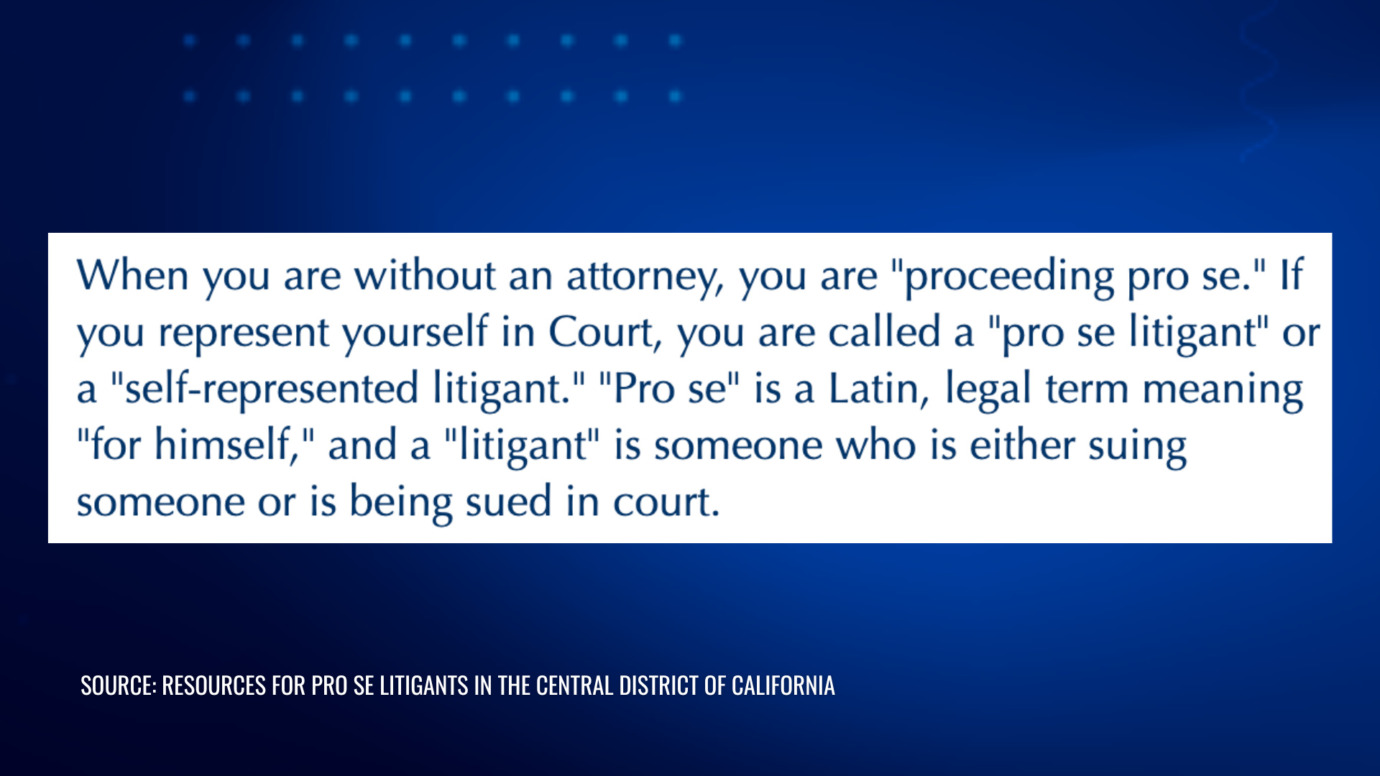
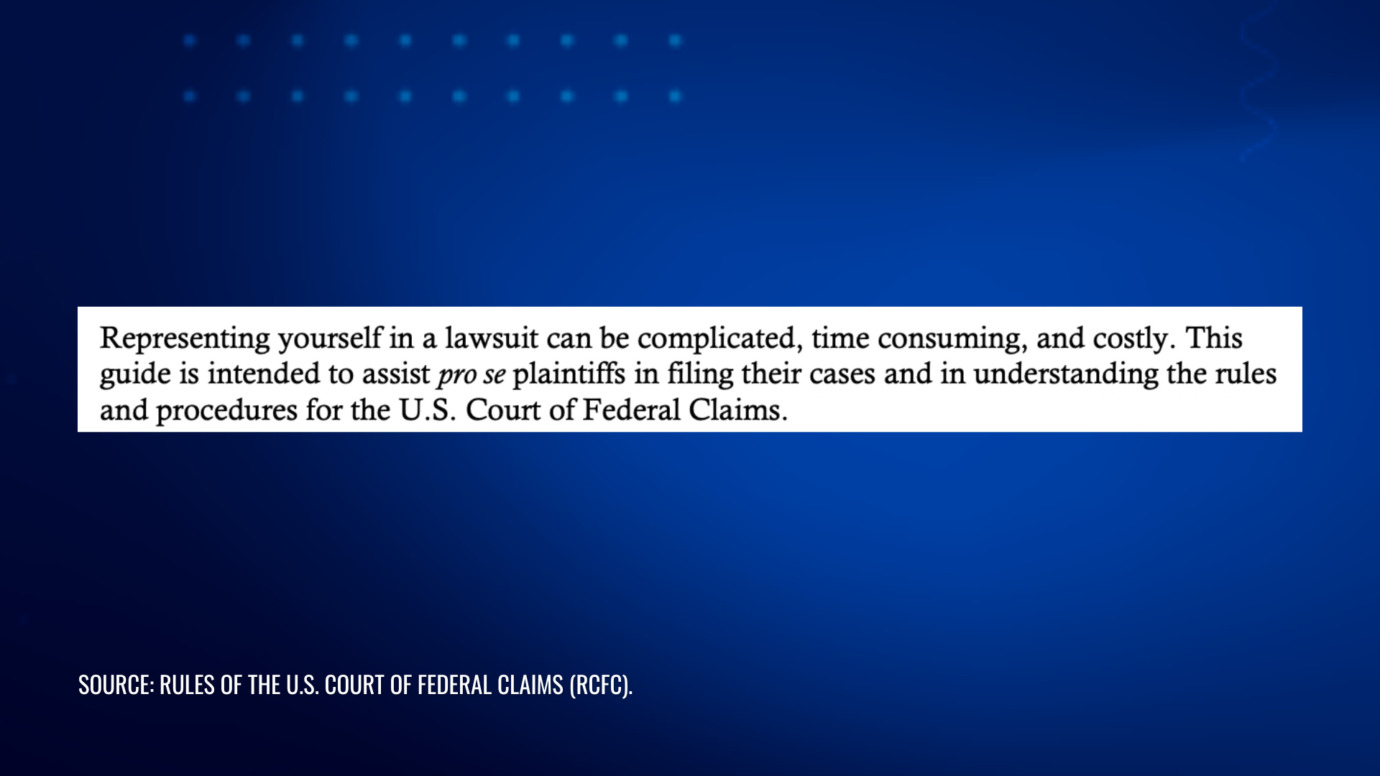
The short answer is no. You don’t need a lawyer for arbitration, but going without one carries significant risks. One of the main features of arbitration is that it’s often less formal than a courtroom trial. You’re allowed to represent yourself (often called appearing “pro se”) or, in some cases, have a non-lawyer spokesperson speak for you, depending on the rules of the arbitration association handling your case. However, just because you can go without a lawyer doesn’t always mean you should.
Why hiring a lawyer is the smart choice
The other side will likely have legal counsel. If you walk into that room (or virtual meeting) without someone who understands the rules of evidence and legal argumentation, you’re at a major disadvantage. An experienced arbitration attorney knows how to present facts clearly, question witnesses effectively, and argue points of law that you might miss. While saving on legal fees is tempting, losing the case could cost you much more in the long run.
Considering arbitration?👉Book a free 15-minute consultation
What Is the Average Arbitration Fee?
The average arbitration fee is the total sum of administrative charges and the arbitrator’s compensation, which typically ranges from a few thousand dollars to tens of thousands, depending on complexity. Unlike the public court system, where a judge’s salary is covered by taxpayers, arbitration requires the parties involved to pay for the entire process.
Breakdown of arbitration costs
The primary costs you will encounter generally fall into three categories:
- Filing or Registration Fee: This is an upfront fee paid by the party initiating the arbitration. For smaller claims, it might be several hundred dollars. For substantial disputes, it can rise to several thousand.
- Case Administration Fees: These charges cover the day-to-day management of your case by the arbitration organization (such as the American Arbitration Association). This includes handling correspondence and scheduling.
- Arbitrator’s Fees: This is often the most significant expense. Arbitrators are experienced professionals who bill by the hour. Under current AAA Consumer Rules, arbitrators are compensated at $300 per hour. For commercial disputes handled through other providers such as JAMS, rates are set by the individual arbitrator and can be considerably higher.
Additional expenses to consider
Beyond the core fees, your business should budget for other potential expenses. These can include the cost of hiring a hearing room if one is not provided. You may also need to pay for expert witnesses, transcription services, and travel if the arbitration is held far from your location. It’s common for these costs to be split between the parties, but your original contract might indicate a different arrangement.
Is Arbitration Cheaper Than Court?
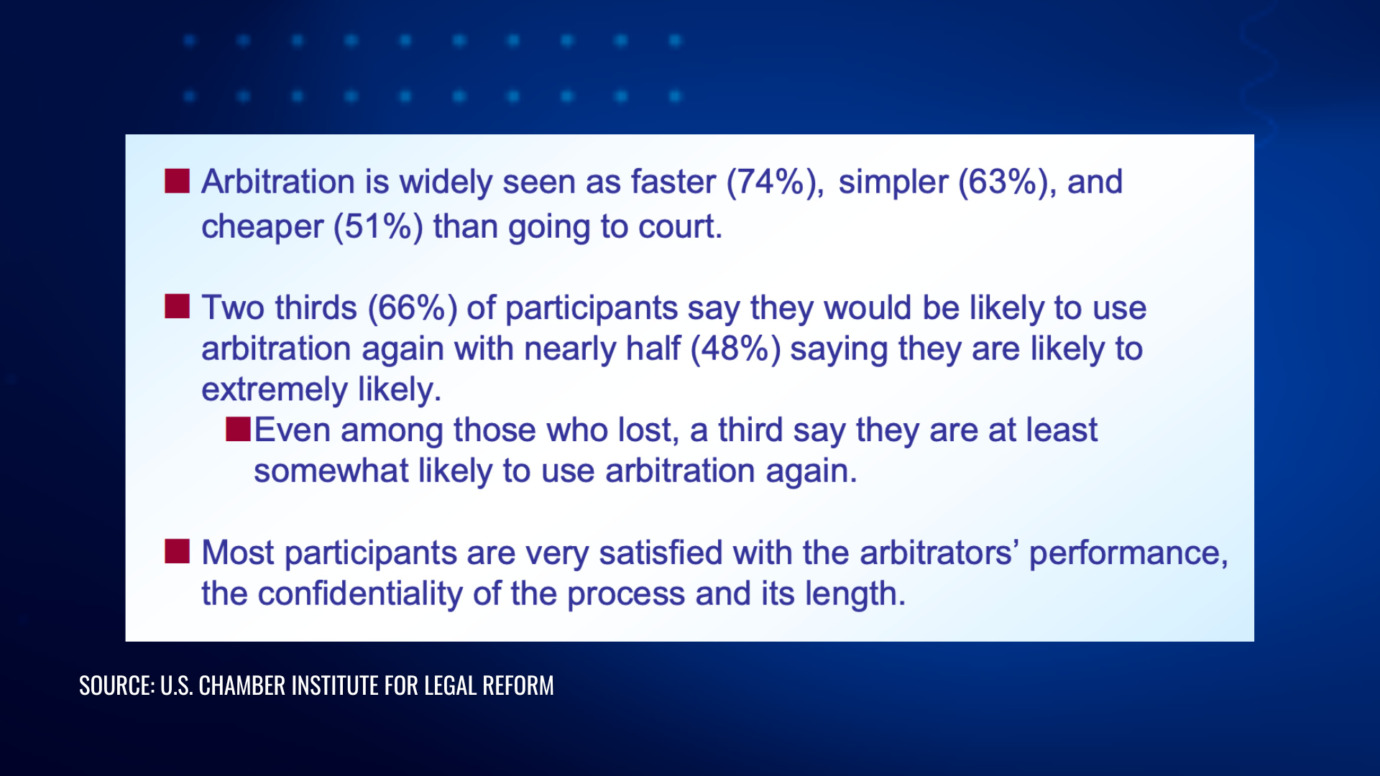
Yes, arbitration is generally cheaper than taking a case to court when you consider the total cost from start to finish. While the direct administrative fees and arbitrator costs in arbitration may appear higher than court filing fees, the overall savings come from the efficiency and speed of the process.
Cost comparison: Arbitration vs. court
A traditional court case can drag on for years, racking up huge legal bills. The discovery process alone, in which both sides exchange documents, can be lengthy and expensive. Arbitration, on the other hand, is designed to be much faster. With limited discovery and shorter hearings, the whole process can wrap up in months instead of years. This shorter timeline means fewer billable hours for your attorneys.
Hidden costs in arbitration and court cases
In court, hidden costs arise from extensive pre-trial motions, multiple appeals, and procedural delays that require your attorney to spend more time on the case. For arbitration, a potential hidden cost is an arbitrator who is slow or indecisive, which increases their billable hours. However, the finality of an arbitration award prevents the lengthy, costly post-judgment battles common in the court system.
What Factors Influence the Total Cost of an Arbitration Attorney?
The total cost of hiring an arbitration attorney can vary based on a few key factors, like their experience level, how complex your case is, and where they’re located. Since legal fees will likely be your biggest expense, knowing what influences the cost can help you budget more effectively.
Attorney experience and expertise
A senior partner with decades of experience will command a much higher hourly rate than a junior attorney. While it is tempting to choose the cheapest option, a more experienced attorney might resolve the case more quickly and effectively, ensuring you avoid any legal mistakes. Their expertise can be crucial in complex disputes that need deep industry knowledge.
Complexity of the case
The type of dispute you’re dealing with can have a big impact on legal costs. For example, resolving a simple issue like an unpaid invoice will take far less time than tackling a complex dispute involving intellectual property rights. The more evidence, witnesses, and legal arguments involved, the more time your attorney will need to prepare and present your case.
Location and jurisdiction
The cost of legal representation also varies by location. Attorneys in major financial centers like New York typically have higher overheads and higher hourly rates than those in smaller markets. The jurisdiction governing the arbitration can also add complexity and cost, especially if it involves international law.
Are There Differences Between Arbitration Service Providers Based on Their Fee Structures?
Yes, there are important things you need to consider. Some firms charge by the hour, while others offer flat-fee packages, filing costs, or bundled services. These options can greatly impact what you pay and the type of support you receive. For a small business owner, understanding these differences helps you choose a provider that fits your budget and ensures you get the right level of legal assistance for your case.
Key factors to evaluate providers
Hourly rate vs. flat-fee packages: When evaluating providers, look beyond the hourly rate. Consider whether they offer flat-fee packages, which provide cost certainty.
Billing increments and additional charges: Ask about their billing increments. Do they bill in six-minute units or smaller? You should also inquire about their policy on expenses, such as charges for printing and administrative support, to avoid surprises on your final invoice.
Tips for negotiating fees
- Start the conversation early: Don’t be afraid to discuss fees. If you are providing a firm with a significant case, you may have leverage to negotiate a reduced hourly rate or a capped fee.
- Ask about fee bundling: For smaller, more straightforward matters, ask if they can bundle the work into a flat-fee arrangement.
- Be transparent about your budget: Being transparent about your budget from the start helps an attorney propose a workable solution for your business.
Where Can I Find Affordable Arbitration Services?
Finding affordable arbitration services can be challenging if you don’t know where to look. The good news is that you don’t have to spend hours looking at random firms online and hoping for the best.
Our team at Cabilly & Co. can give your legal support specifically for small businesses. We understand your need for clear answers and predictable costs, not confusing retainers and endless hourly bills. We can help simplify the legal process for you, making professional arbitration support accessible without the heavy price tag of a traditional “Big Law” firm.
Contact us if you want to move forward with your arbitration efficiently. We can help you understand your options and provide the professional support you need to resolve your dispute and get back to business.



 Mar 30, 2026