Commercial arbitration is a private way to resolve business disputes without going to court. Even though it sounds simple, commercial arbitration has important details that can affect your company’s outcome. It’s crucial that you know what they are before you agree to any new vendor contract.
We’ve handled many commercial arbitration cases in the past, so in this blog, we’ll share its main benefits, the steps you need to take, and how you can obtain legalprotection for your small business during the process.
What are the main benefits of commercial arbitration?
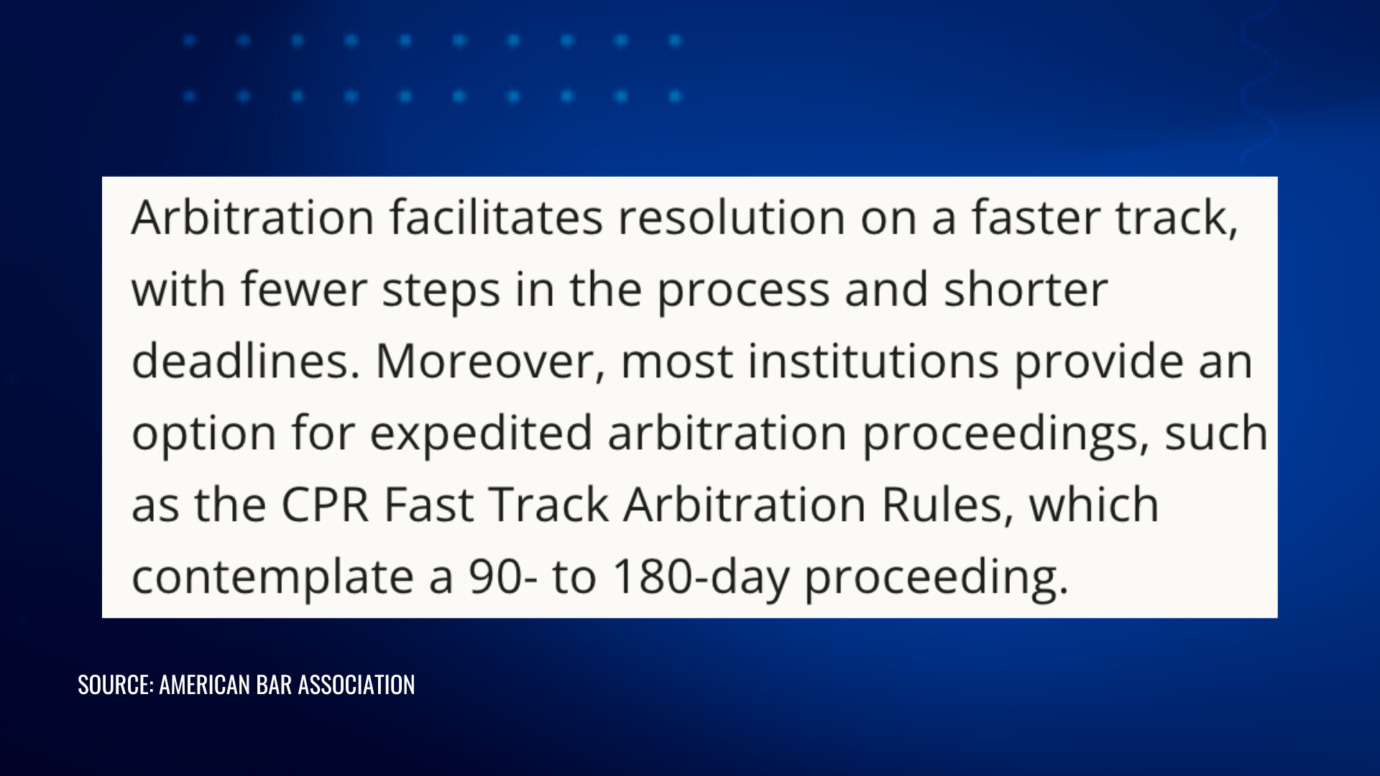
The main benefits of commercial arbitration are speed, privacy, and cost-effectiveness. Court cases can take years, use up your resources, and keep you away from your business. Arbitration usually moves much faster. Everything that happens and the final decision stays confidential. This protects your brand’s reputation and keeps your trade secrets private.
How does commercial arbitration differ from litigation?
Litigation is a strict and formal court process, while arbitration is a flexible and private way to solve your specific dispute. With litigation, you have to follow strict court rules and wait your turn in a busy, public court system.
On the other hand, arbitration lets both sides help decide the rules, decide where it happens, and even select the arbitrator. The discovery stage, where both sides share information, is usually much simpler in arbitration, which saves time and lowers legal expenses such asfiling cost. In court, appeals are common and could drag out, but in arbitration, the final decision (the award) is usually binding and can be difficult to change.
What Are the Types of Arbitration?
Arbitration generally falls into three main types: administered, self-administered, and assisted arbitration. Each option offers a different balance of structure, cost, and control, which can be especially important when resolving disputes. Understanding how each type works helps you choose the right approach for your situation.
Administered Arbitration
This approach relies on a formal institution to manage the process from start to finish. It includes handling filings, scheduling, and procedural rules. While this option can be more expensive, it provides consistency and reduces the risk of procedural issues.
Self-Administered Arbitration
In this setup, the parties and arbitrator take full control of the proceedings without an overseeing institution. It offers greater flexibility and lower costs, making it suitable for parties who are experienced or working with a straightforward vendor agreement. However, it requires both sides to cooperate closely and agree on procedures.
Assisted Arbitration
This option blends independent control with on-demand institutional support when needed. Parties can request help with specific tasks such as selecting an arbitrator or managing funds. It works well for a vendor agreement that may involve complex terms but does not require full-time administration. It gives parties control while still providing access to expert support when necessary.
What are the steps in a typical commercial arbitration process?
A typical commercial arbitration process has a simplified path from filing a complaint to receiving a final decision. It’s designed to resolve disputes quickly and privately.
Step 1: Filing a Demand for Arbitration
The arbitration process starts when one side sends a “Demand for Arbitration,” which explains the issue and what they want fixed. The other side then gives their response.
Step 2: Selecting the Arbitrator
Both parties work together to select the arbitrator or arbitration panel, ensuring the decision-maker is neutral and suited to the specifics of the dispute.
Step 3: Preliminary Hearing
During the preliminary hearing, the parties and the arbitrator set the ground rules for the process, establish a schedule, and decide which evidence each side will need to share.
Step 4: Discovery Phase
The discovery phase moves faster than in court because both parties exchange only the necessary information, making the process more efficient and focused.
Step 5: The Hearing
The hearing gives both parties a chance to present their evidence, call witnesses, and clearly state their positions to the arbitrator.
Step 6: The Award
The arbitrator issues a written decision, known as an award, which formally ends the dispute and provides a binding resolution for both parties.
Is there a typical commercial dispute example?
A good example of a commercial dispute is fromFordham University School of Law’s archives. It’s about a multimillion-dollar transaction between an American seller of commodities and a Chinese buyer. In this case, the American seller was unable to meet the original delivery date and requested a revised schedule.
After the schedule was revised and market prices dropped, the Chinese buyer failed to meet the new pick-up schedule. The American seller then claimed several million dollars in storage and interest charges (carrying charges) for the goods left waiting, citing a provision in the contract to support the claim. Instead of taking legal action in public court, both parties worked through joint conciliation, with help from theAmerican Arbitration Association (AAA) and theChina International Economic and Trade Arbitration Commission (CIETAC).
In the end, the Chinese buyer paid over one million dollars to settle the claim, though they admitted no legal liability. This example shows how cross-border commercial disputes can be resolved privately and efficiently, with both sides able to move forward in business.
How can I protect my business during a commercial arbitration?
Protecting your business during arbitration starts with careful preparation, clear agreements, and the right team on your side. Taking proactive steps early can minimize risks and give your company the best chance of reaching a fair outcome.
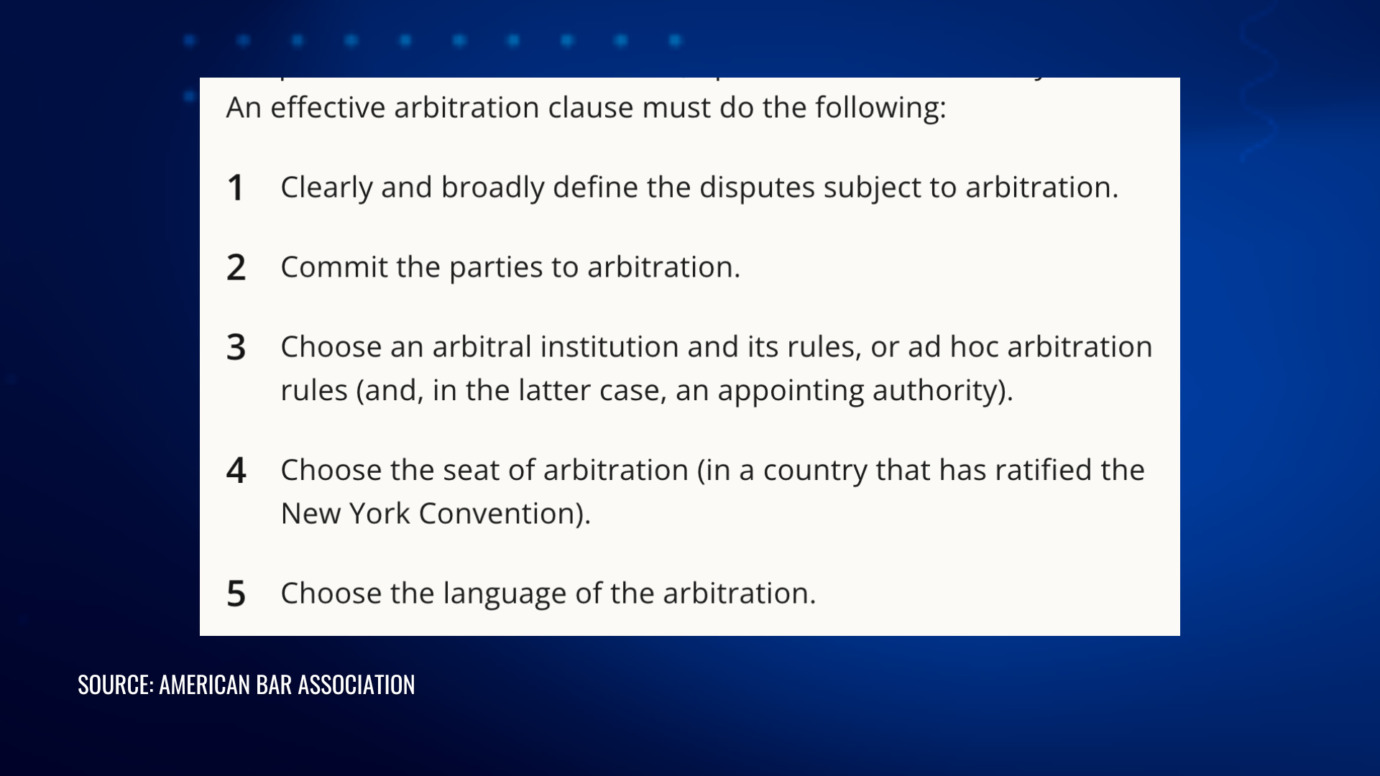
Set the Right Arbitration Clause
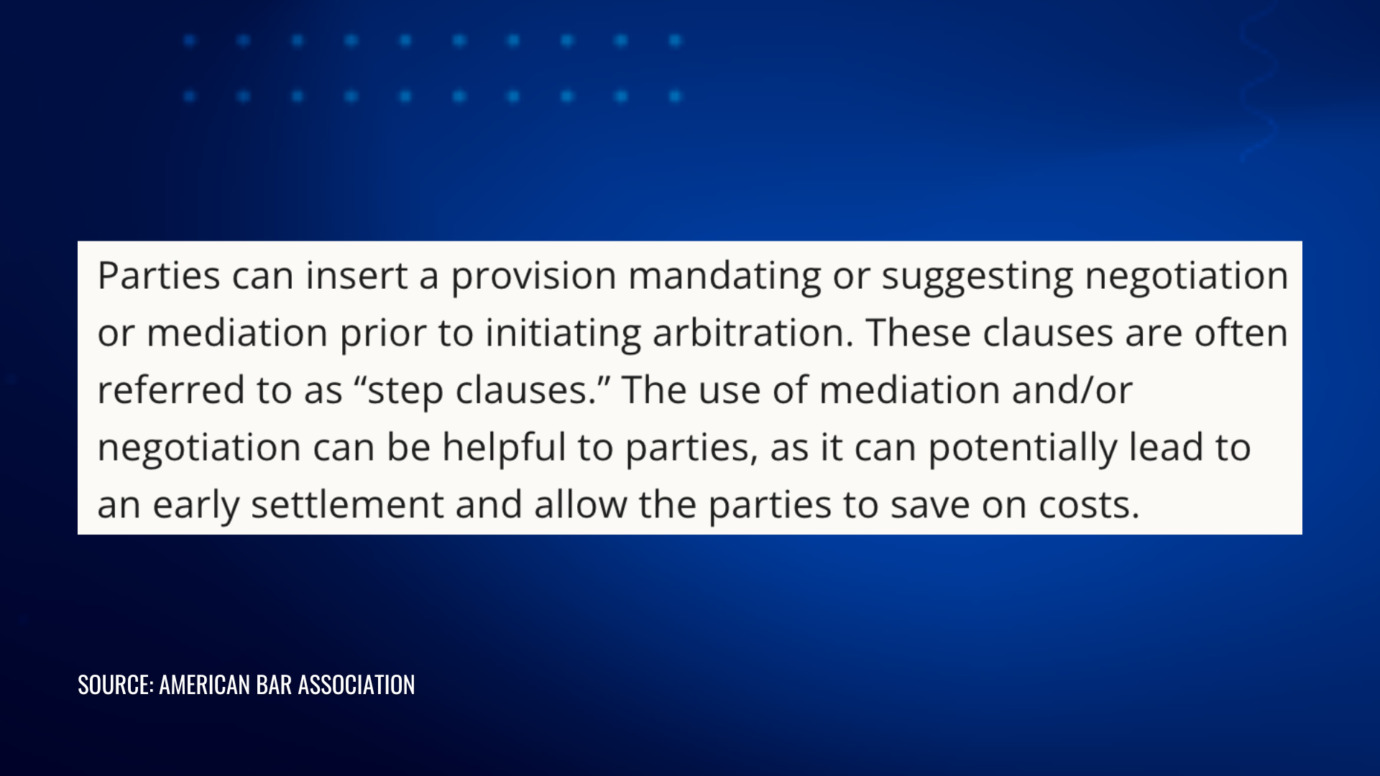
Including provisions for expedited processes in the arbitration clause can significantly reduce the time to resolution.
Choose An Experienced Arbitrator
Choose an arbitrator with expertise in your industry to ensure fair and informed decisions.
Prepare Your Documentation
Keep all relevant contracts, emails, and records organized. Well-prepared businesses are more likely to achieve favorable outcomes.
Manage Costs and Deadlines
Agree on cost caps and clear timelines at the start. This can possibly keep expenses lower andreduce pend timecompared to litigation, though this may not always be the case.
Get Professional Legal Guidance
Work with a legal team or an arbitration lawyer who has a good understanding ofcommercial law. Businesses with expert support could handle the arbitration process and protect their interests more effectively.
How do I select a qualified commercial arbitration attorney?
Look for an attorney with proven experience in commercial arbitration, an understanding of your industry, and clear communication skills. A strong attorney should advise you on everything from drafting arbitration clauses to representing you in hearings, ensuring your business interests are fully protected.
Keep in mind that arbitration isn’t always the right fit. In some cases, the lack of appeal options or limited discovery can work against your business. Having experienced legal counsel before agreeing to any arbitration clause – not just during the dispute itself – can make a significant difference in how your case unfolds.
Not sure how to move forward with your case? Contact us to discuss your situation.
Legal Disclaimer: The articles published on our platform are for informational purposes only and do not constitute legal advice in any form. They are not intended to be a substitute for professional legal counsel. For any legal matters, it is essential to consult with us or a qualified attorney who can provide advice tailored to your specific situation. Reliance on any information provided in these articles is solely at your own risk.


 Mar 30, 2026