If you’re running a business online – whether you’re selling on Amazon, building a brand on social media, or launching your own e-commerce site – protecting your brand name should be high on your priority list. The good news? You don’t need to take time off work or deal with mountains of paperwork in person. You can apply for a trademark online, from your desk, in your pajamas if you want to.
But before we dive into the “how,” let’s talk about the “why” and what’s actually changed in the trademark registration process over the years.
How does a trademark protect your business?
Think of a trademark as your business’s legal shield. When you register a trademark, you’re essentially telling the world: “This name, this logo, this brand – it’s mine.” And more importantly, you’re getting the legal backing to prove it.
Here’s what trademark protection actually does for you:
It gives you legal grounds to challenge confusingly similar marks. Once you have a registered trademark, you have the legal standing to take action against competitors using confusingly similar names in related goods or services. This protection isn’t automatic – you’ll need to actively enforce your rights – but it gives you the legal foundation to do so.
It strengthens your position on digital platforms. Whether someone tries to steal your brand on Amazon, Instagram, TikTok, or anywhere else, your trademark registration significantly strengthens your case when filing complaints with these platforms. We see this all the time – sellers invest years building a brand on Amazon, only to have copycats pop up using similar names to confuse customers. If you’re dealing with intellectual property violations on Amazon, having a registered trademark makes your enforcement efforts much more credible, though platforms still evaluate each case individually.
It adds value to your business. A registered trademark is an asset. If you ever want to sell your business, license your brand, or attract investors, having trademark protection makes your business more valuable and legitimate.
It gives you legal recourse. Without a trademark, trying to stop someone from using a confusingly similar brand name is like fighting with one hand tied behind your back. With a trademark, you have clear legal standing to send cease-and-desist letters, file complaints with platforms, and if necessary, take legal action.
The reality is simple: if you’re building a brand that has any value, someone will eventually try to copy it. A trademark is your first line of defense.
Ready to protect your brand the right way? Contact us to discuss your trademark registration and make sure your application gets approved the first time.
Trademark registration before the internet
Let’s take a quick trip down memory lane. Before the internet revolutionized everything, registering a trademark was a hassle. You had to:
- Print and physically mail application forms to the USPTO (United States Patent and Trademark Office)
- Wait weeks just to confirm they received your application
- Send follow-up correspondence by mail or fax (remember those?)
- Hire a lawyer in person to help you through the process, which often meant multiple office visits
- Wait months with little visibility into where your application stood
The whole process was slow, expensive, and honestly, intimidating for small business owners. Many people just skipped trademark registration altogether because it felt too complicated or too costly.
But here’s the thing – while the process was slower, the need for trademark protection was actually less urgent back then. Businesses were mostly local or regional. Competition was limited. And brand theft, while it happened, wasn’t as easy or widespread as it is today.
Now? Everything’s changed. Your competitor isn’t just the shop down the street – it’s thousands of sellers worldwide who can copy your brand with a few clicks. That’s why trademark protection is more important than ever, and thankfully, the process has gotten much easier.
Apply online for a trademark
Ready to protect your brand? Here’s how to apply for a trademark online through the USPTO’s website. The process is straightforward, but there are a few important steps to get right:
Step 1: Do a comprehensive trademark search Before you spend money on an application, make sure your desired trademark isn’t already taken. Go to the USPTO’s Trademark Electronic Search System (TESS) and search for your business name or logo. Look for similar names too – not just exact matches. If someone already has a trademark that’s too similar to yours, your application will get rejected.
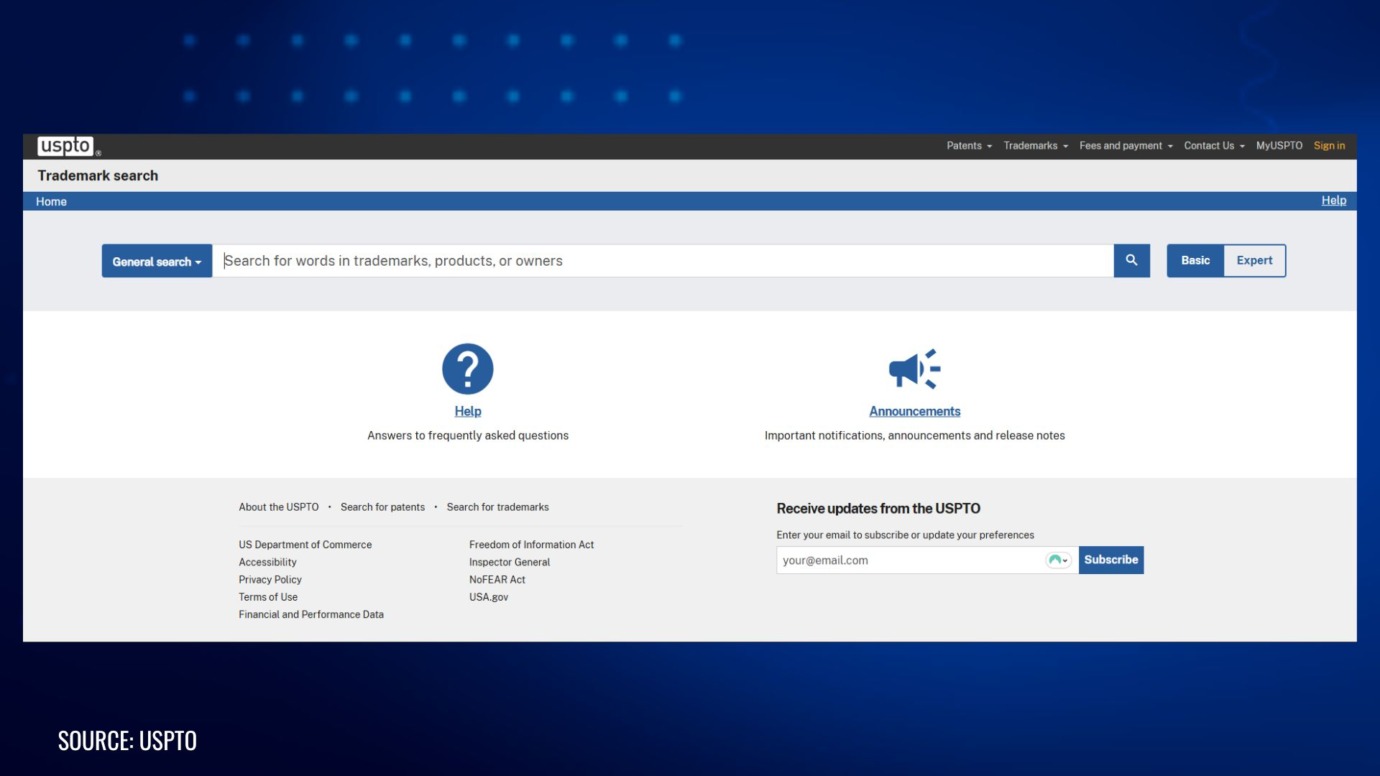
Step 2: Determine your trademark class Trademarks are organized into different classes based on what products or services you offer. There are 45 classes total. For example, if you sell clothing, you’re looking at Class 25. If you offer marketing services, that’s Class 35. You need to know your class before you apply. The USPTO’s ID Manual has a searchable database to help you figure this out.
Step 3: Create a USPTO account Head to the USPTO website and create an account. This gives you access to their online filing system (called TEAS – Trademark Electronic Application System) and allows you to track your application’s progress.
Step 4: Pay the filing fee The filing fee is $350 per class. Remember, this fee is per class, so if your trademark covers multiple classes, you’ll pay for each one. The USPTO accepts credit cards and electronic payments.
Step 5: Complete your online application Fill out the application carefully. You’ll need to provide:
- Your name and contact information (or your business’s information)
- A clear description of your trademark (the exact wording or a clear image of your logo)
- A detailed description of the goods or services you offer
- The date you first used the trademark in commerce (or if you haven’t used it yet, you can file based on “intent to use”)
Step 6: Submit your specimen of use This is proof that you’re actually using the trademark in your business. It could be a photo of your product with your brand name on it, a screenshot of your website, or marketing materials. The USPTO wants to see that this isn’t just a theoretical brand – you’re actually using it to sell things.
Step 7: Monitor your application After you submit, you’ll get a confirmation and a serial number. The processing time for an application to be reviewed by a trademark examining attorney is typically around 6-8 months from the filing date, though timing can vary. You can check the status anytime through your USPTO account. If the examiner has any issues or questions, they’ll send you an “office action” that you’ll need to respond to within the deadline they give you.
Step 8: Wait for approval and publication If your application is approved, it will be published in the Official Gazette (the USPTO’s weekly publication). There’s a 30-day period where anyone can oppose your trademark. If no one objects, you’ll receive your certificate of registration about 3 months later.
Should You File Your Trademark Application Without a Lawyer?
Here’s the honest answer: while it’s technically possible to file a trademark application on your own, it’s usually not the best idea – especially if your brand has real value or if you’re actively selling products.
The USPTO itself reports that applications filed by individuals without legal representation have significantly higher rejection rates. Common mistakes include:
- Choosing the wrong trademark class
- Submitting improper specimens of use
- Not identifying existing similar trademarks that could block your application
- Failing to respond properly to office actions
- Missing critical deadlines that result in abandoned applications
And here’s what most people don’t realize: if your application gets rejected, you lose the filing fee. There’s no refund. Plus, you’ve wasted months waiting only to start over.
Working with a trademark attorney means:
- Your application is done right the first time
- You get a thorough trademark search to avoid conflicts
- Someone experienced reviews your classification and specimens
- You have legal support if you receive an office action
- You’re protected if someone opposes your trademark
For businesses selling on Amazon or building brands on social media, trademark protection isn’t just paperwork – it’s your defense against copycats, IP complaints, and brand hijackers. Getting it wrong can cost you far more than the attorney fees you tried to save.
If you’re serious about protecting your brand, especially if you’ve invested time and money into building it, consulting with a trademark attorney is the smart move. The cost of doing it right is nothing compared to the cost of doing it wrong.
At Cabilly & Co., we help businesses protect their intellectual property and handle platform disputes. Whether you need help with trademark registration, dealing with Amazon account suspensions, or fighting intellectual property claims on social media, we understand the unique challenges online businesses face.
Protecting your brand doesn’t have to be complicated – but it does need to be done right. Have questions about trademarking your business or want to make sure your application is solid before you submit it? Contact us.


 Mar 30, 2026