IP arbitration lets you resolve intellectual property disputes privately and, in many cases, more efficiently than going to court.
The four main types of IP rights are patents (utility and design), trademarks, copyrights, and trade secrets; each protects different business assets.
IP arbitration typically arises from contracts containing arbitration clauses. Without a prior agreement, arbitration may not be available as an option.
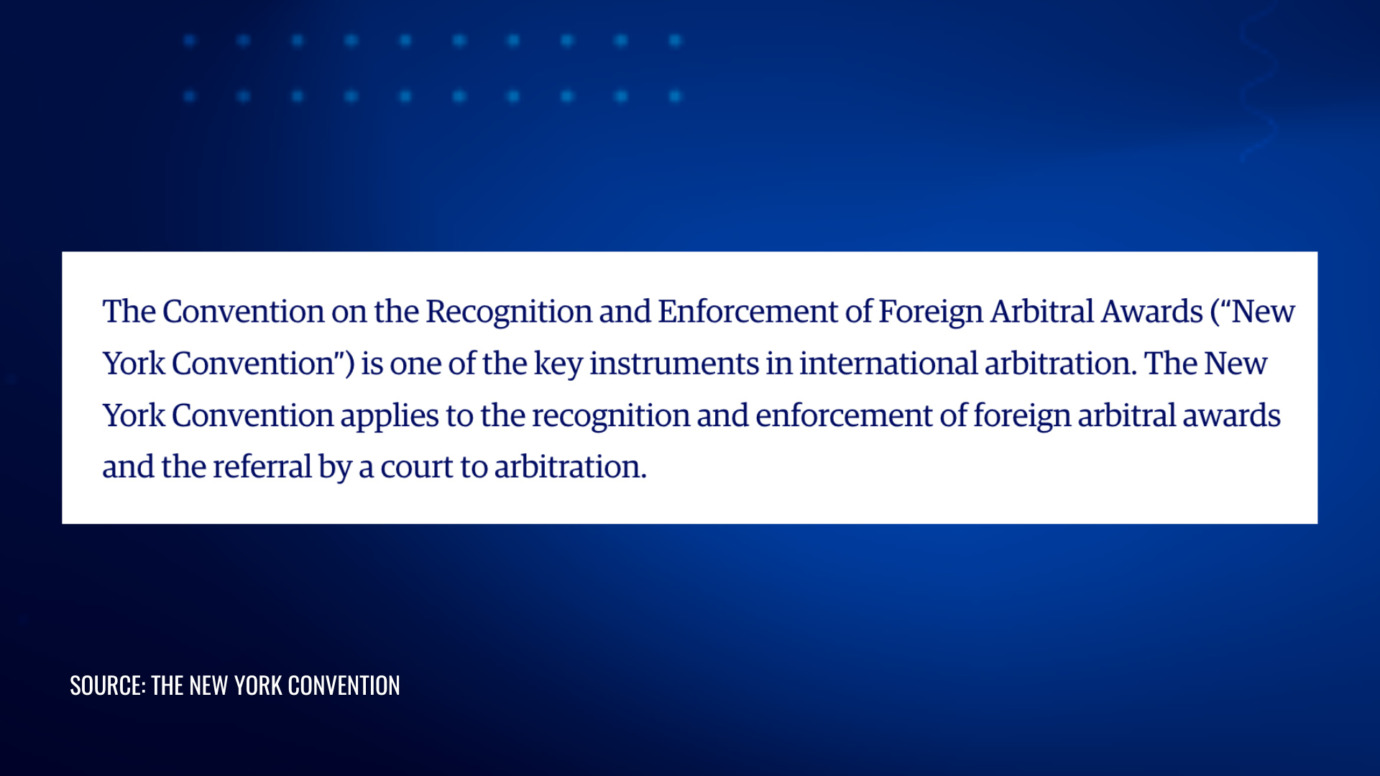
The arbitration process covers filing a claim, selecting an arbitrator, presenting evidence, and obtaining a binding decision, which can be enforced under applicable arbitration statutes including the New York Convention for cross-border disputes.
Register your IP early, monitor your assets, and use well-drafted legal agreements to prevent and resolve disputes before they escalate.
Seek legal assistance to navigate IP laws, build a strong case, and maximize your chances of a favorable outcome in arbitration.
Act promptly on disputes and follow proper procedures to protect your business’s intellectual property assets.
Intellectual Property (IP) arbitration is a private, legally binding process used to resolve disputes over intellectual property rights, such as patents, trademarks, copyrights, and trade secrets, without going to court. It typically arises from contractual relationships, such as licensing agreements, joint ventures, distribution agreements, or platform terms that require disputes to be resolved through arbitration.
Courts and commercial contracts increasingly favor alternative dispute resolution, including arbitration, particularly in cross-border and technology-related disputes.
At Cabilly & Co., we understand the challenges these changes pose for business owners and often guide them through the process. In this article, we explain why this process is essential, the different types of IP rights you need to know, and effective tips you can use if you’re in the midst of an IP arbitration.
What Are the 4 Types of Intellectual Property Rights?
To understand disputes, you first need to know the assets at stake. Intellectual property isn’t just one big umbrella; it’s categorized into specific rights. Knowing which one applies to your product or service is the first step in defending it.
Patents
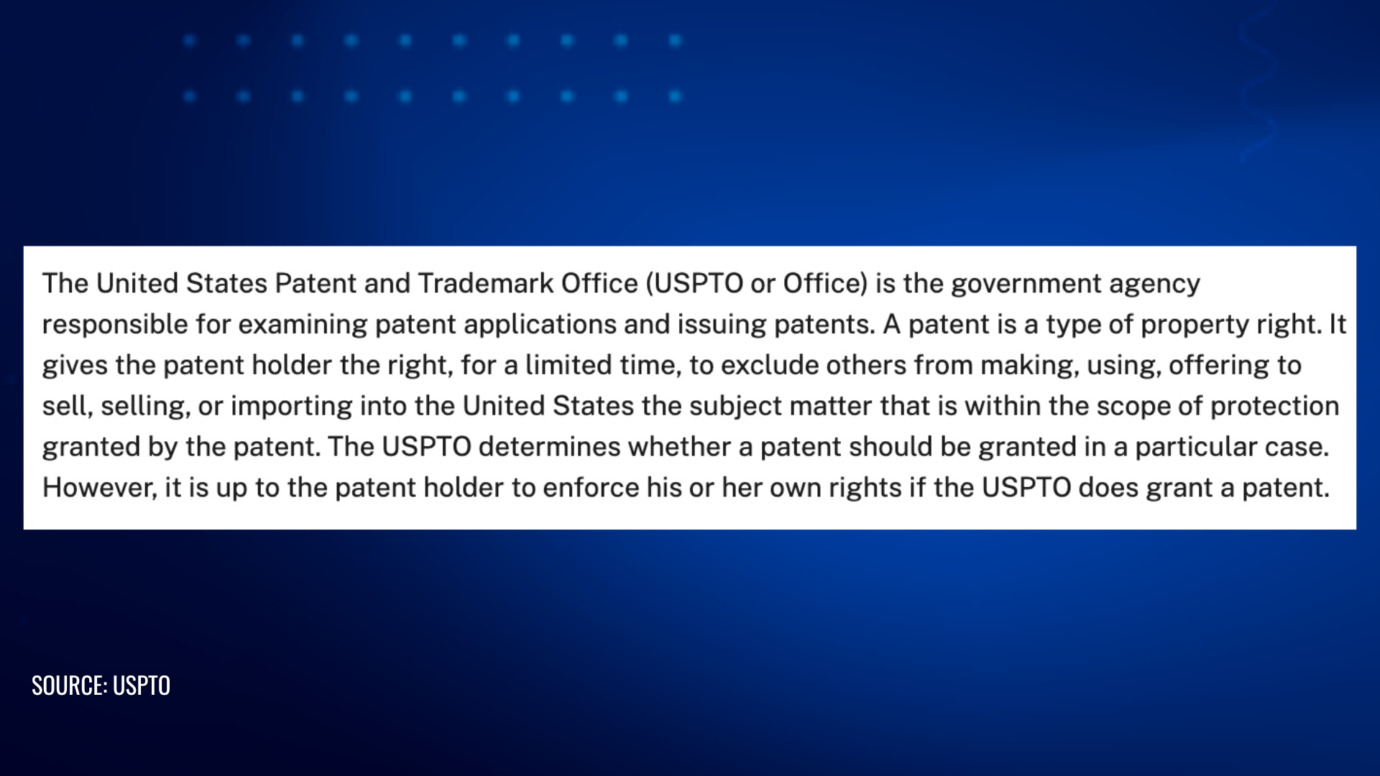
Patents protect inventions, and come in two main forms. A utility patent protects how an invention works or functions, giving you exclusive rights to make, use, or sell the invention for a set period. A U.S. utility patent generally lasts 20 years from the earliest effective filing date, subject to maintenance fees and potential extensions. A design patent, by contrast, protects the way a product looks, including its shape, pattern, or overall visual appearance.
For example, the unique shape of a Coca-Cola bottle is protected by a design patent. In design patent cases, infringement is assessed by whether an ordinary observer, familiar with the prior art, would find the accused design substantially similar in overall appearance to the protected design. Assessing potential infringement is complex and often requires a professional legal review.
Trademarks
Trademarks safeguard brand identifiers such as names, logos, and slogans. This is crucial because your brand reputation is tied directly to your trademark. When a competitor uses a logo that looks confusingly similar to yours, or uses your brand name in their backend keywords to steal traffic, it may constitute infringement of your trademark rights.
Copyrights
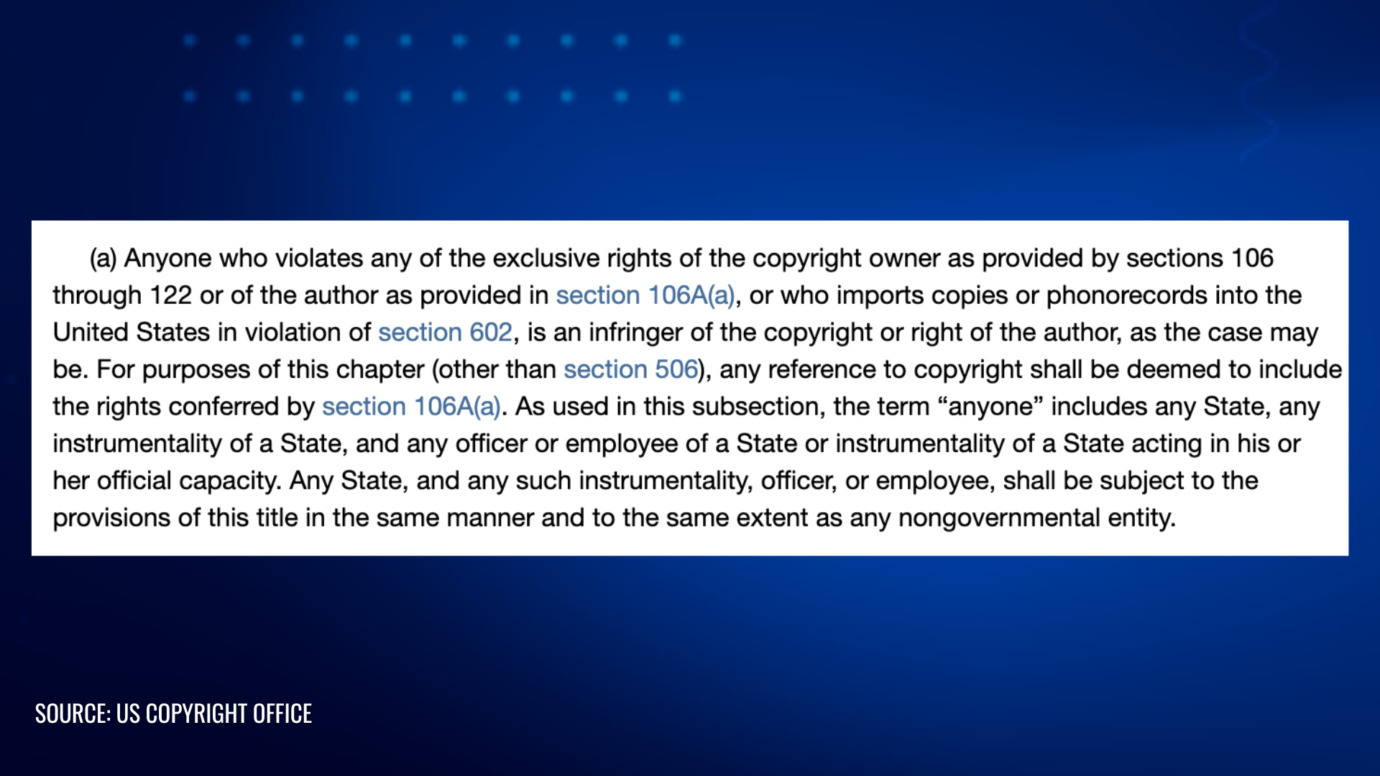
Copyright covers creative works upon creation, once fixed in a tangible medium. This typically includes product photography, product description copy, video listings, and packaging design. If you invested in professional photography and a competitor copies your images to sell their own product, that is a copyright violation. While you have rights as soon as you create a work, you must register your copyright before filing a lawsuit in a U.S. federal court.
Trade Secrets
Trade secrets protect confidential business information that provides a competitive advantage, such as formulas, processes, methods, or customer data. Unlike patents, trade secrets are not publicly disclosed and can theoretically last indefinitely, as long as the information remains confidential. Protection depends on taking reasonable steps to keep the information secret. If a trade secret is misappropriated, for example through a breach of a non-disclosure agreement or employee theft, arbitration clauses in relevant contracts may govern how that dispute is resolved.
What Is an IP Dispute, and Why Does It Matter for Amazon Sellers?
An IP dispute happens when one party claims that another party has used their intellectual property without permission. These disputes are not just legal headaches; they are potential threats to your business revenue. Common scenarios include:
Trademark Infringement
When another business uses your brand name, logo, or other identifying marks in a way that causes confusion among customers or diverts business from you, your trademark rights may be violated.
Copyright Violations
When others copy or reproduce your original content (artwork, music, software, written materials, design, etc.) without your permission, they can undermine your creative investment and mislead your customers or audience.
Counterfeit Products
These cases are typically handled through litigation, customs enforcement, or platform enforcement, as these methods are better suited for addressing unauthorized manufacturing or sales. Arbitration is not usually the primary route for counterfeit cases unless a contract requires it, since arbitration requires a prior agreement between the parties to resolve disputes this way.
Important Note: IP arbitration typically arises from contracts like licensing, partnership, distribution, or platform agreements. These contracts often include arbitration clauses, meaning any disputes are resolved through arbitration instead of going to court. If there is no such agreement, arbitration may not be an available option, and you will need to explore other legal routes.
Do IP Lawyers Go to Court, or Is Arbitration a Better Option?
Both have their advantages, but the best choice depends on your specific situation. While IP attorneys certainly do go to court, traditional litigation is often treated as a last resort.
Why Arbitration May Be Required
In some cases, businesses cannot choose to go to court. Many contracts, including partnership, supplier, or licensing agreements, require disputes to be resolved through arbitration rather than litigation. These clauses mean that when a disagreement arises, court is simply not an option, and arbitration becomes the only path forward.
The Cost of Litigation vs. Arbitration
Litigation, especially in patent cases, can be costly and time-consuming, sometimes taking years and significant legal spend to resolve. That said, not all IP disputes are the same. Smaller trademark cases, for instance, may settle for much less, making litigation more feasible in those situations.
When Arbitration Is Not Necessarily Cheaper
While arbitration is often seen as a cost-effective alternative to court, this is not always the case. It can be faster, more private, and less formal, making it a good option for businesses needing quicker resolutions without public scrutiny. However, in some commercial disputes, high arbitrator fees and limited appeal rights can make arbitration as expensive as, or even more expensive than, traditional litigation. The costs ultimately depend on the complexity of the dispute.
Why Is IP Arbitration Important?
For businesses of all sizes, acting quickly during an intellectual property dispute can make a significant difference. Every day your product, service, or creative work is tied up in a false claim or real infringement, your business may lose revenue and suffer reputational harm. IP arbitration is beneficial because it offers a faster resolution than going to court.
This means you can settle conflicts sooner and return your business to normal without waiting months or years for traditional litigation to conclude. Arbitration awards can be enforced in court under applicable arbitration statutes, including the New York Convention for cross-border disputes. This makes the process more definitive and gives you a clear outcome when negotiations or internal complaint procedures stall.
How Does the IP Arbitration Process Work?
Arbitration begins when both sides agree to it, either through a pre-existing contract clause or a post-dispute agreement. While it is less formal than a trial, arbitration still follows a clear, structured process designed to keep things efficient and manageable.
Filing a Claim
The process begins when one party submits a Demand for Arbitration. This document explains the dispute, the intellectual property rights at stake, and what the party hopes to achieve, such as compensation or an order to stop the infringing activity.
Selecting an Arbitrator
Both sides typically have input on who will serve as the arbitrator. Arbitrators often have specialized knowledge in IP law or the relevant industry, which helps ensure that complex technical and legal issues are properly understood and assessed.
Presenting Evidence and Arguments
Each party shares relevant materials, such as contracts, registration certificates, product designs, digital content, or marketing materials, to support their position. Hearings may take place in person, virtually, or sometimes be based entirely on written submissions.
Receiving a Binding Decision
The arbitrator issues a final decision, known as an award, which is legally binding on both parties. If necessary, this decision can be enforced by a court.
This process is commonly used in fields like technology, manufacturing, and creative industries to resolve issues such as patent infringement, misuse of copyrighted material, and trademark disputes.
How Can Business Owners Protect Their Intellectual Property?
Protection is always less costly than remediation. Taking proactive steps can often prevent the need for arbitration altogether.
Register Your Trademarks and Copyrights
Registration strengthens enforcement rights and available remedies, particularly in federal court. While copyright exists the moment you create a work, registering it gives you stronger legal standing and the ability to claim statutory damages.
Monitor Your Assets
Use software tools or manual checks to monitor your products, branding, and creative assets across platforms, websites, and marketplaces. Look out for copycat products or improper use of your intellectual property in advertising. The sooner you identify an infringement, the easier it typically is to address.
Use IP Protection Tools and Strategies
Consider using online monitoring services that scan for unauthorized use of your products, brand name, or creative works. Sending legal notices such as cease-and-desist letters can deter infringers and signal that you are actively defending your rights. You may also benefit from working with IP protection specialists who handle potential infringements across a wide range of platforms and industries.
Work with an IP Attorney
An experienced IP attorney is a valuable asset for any business, regardless of size or industry. They can help you draft contracts and agreements tailored to your company’s unique needs, whether that means protecting creative assets, outlining supplier responsibilities, or establishing clear terms with partners. Well-drafted legal documents provide a strong foundation for defending your intellectual property in the event of a dispute.
What Are Common Mistakes Businesses Make with Intellectual Property?
Even established companies can make errors when managing their intellectual property. Avoiding these missteps can protect your brand and prevent costly problems.
Failing to Register Trademarks or Copyrights
Many businesses delay registering their trademarks or copyrights, assuming they can wait until the business grows. However, delaying registration can allow others to claim your brand name, logo, or original works, leading to disputes or loss of valuable assets.
Ignoring IP Disputes
If your business receives a cease-and-desist letter or a notice of arbitration, it must be addressed promptly. Ignoring such notices can result in default awards against your company, financial penalties, and lasting reputational harm.
Misusing Another Company’s IP
Drawing inspiration from competitors can cross into infringement if you use someone else’s images, written material, or patented products without permission. It is essential to ensure that your marketing, branding, or product development does not violate another company’s protected rights.
Not Understanding Arbitration vs. Litigation
Some businesses rush to litigation without realizing that their contracts may require arbitration. Understanding which forum applies to your dispute is essential to handling it effectively and avoiding procedural missteps.
Why Do I Need Legal Assistance for IP Arbitration?
Handling Complex and Evolving IP Laws
IP law is dense, nuanced, and subject to ongoing change. Even though arbitration is often less formal than going to court, it is still a structured legal process with strict rules for presenting evidence and building arguments. Missing key details or deadlines can seriously harm your case.
Crafting a Strong Case
A skilled IP attorney does much more than handle paperwork. They help frame the narrative of your dispute, making complex patent or trademark claims clear and persuasive to arbitrators. Their expertise increases the likelihood of a favorable outcome.
Calculating and Proving Damages
Legal professionals know how to accurately calculate damages in IP disputes, helping your business receive fair compensation for lost revenue or harm to your brand. Without proper guidance, you may overlook key elements of your claim.
Understanding Industry-Specific Needs
Each industry faces unique IP challenges. An experienced IP attorney can address the issues most relevant to your business, from protecting product designs to enforcing trademarks and copyrights across different platforms and markets.
Avoiding Costly Errors
Attempting to handle IP arbitration without legal support can lead to significant mistakes or missed opportunities. With professional assistance, your business is better positioned to enforce its rights, resolve disputes efficiently, and protect its reputation.
Where Can I Find Professional Legal Help for IP Arbitration?
IP disputes, whether involving a contested licensing agreement, a trademark infringement claim, or a misappropriated trade secret, carry real stakes for your business. Navigating arbitration without experienced legal support increases the risk of a poor outcome.
Our team at Cabilly & Co. has years of experience helping business owners resolve complex IP disputes efficiently. We understand the nuances of both domestic and international IP law, and we are committed to ensuring your business is defended by attorneys who know the legal landscape. Contact us today to learn more about how we can help protect your brand’s future.
Legal Disclaimer: The articles published on our platform are for informational purposes only and do not constitute legal advice in any form. They are not intended to be a substitute for professional legal counsel. For any legal matters, it is essential to consult with us or a qualified attorney who can provide advice tailored to your specific situation. Reliance on any information provided in these articles is solely at your own risk.

 Mar 30, 2026