Book a FREE 15-minute consultation with an expert – Book Now

How Intellectual Property Infringement Puts Amazon Seller Accounts at Risk

Selling on Amazon can be rewarding, but it also comes with risks. One of the things that scares Amazon sellers more than anything is seeing their listing removed or their account suspended because of an intellectual property infringement case.
You may not be aware of it, but you deal with intellectual property (IP) every day. From your product photos to your logo, IP is all around you. Knowing how to protect your store and stay within the rules is important for your business.
This article will explain what intellectual property infringement means for Amazon sellers, show you some common examples, give you steps to protect yourself, and explain what to do if you get a complaint.
Understanding Intellectual Property Rights and Infringement
Intellectual property covers inventions, written work, art, designs, brand names, symbols, and images used in business. These are things people own, just like a house or a car.
Intellectual property infringement happens when someone uses these things without the owner’s consent.
It’s important to know that IP rights are set by local laws in each country and enforced differently depending on where you are, but Amazon often acts as if the strictest rules apply everywhere to protect rights owners across all its marketplaces.
For Amazon sellers, infringement complaints usually fall into three types:
Trademark Infringement on Amazon
These protect brand names, logos and slogans. For example, putting an Apple logo on a generic phone case or using another brand’s name in your keywords without permission commonly leads to trademark infringement claims or takedowns on Amazon, but it is not necessarily trademark infringement in all cases. Trademark registration is essential for protecting your brand identity.
Copyright Infringement Issues
This covers original artistic work. On Amazon, it’s often about photos and written descriptions. If you copy someone else’s listing photos or product text, it’s copyright infringement. Copyright protection begins as soon as the work is created, but registration is mostly necessary if you want to take legal action or claim extra damages in court.
Patent Infringement Claims
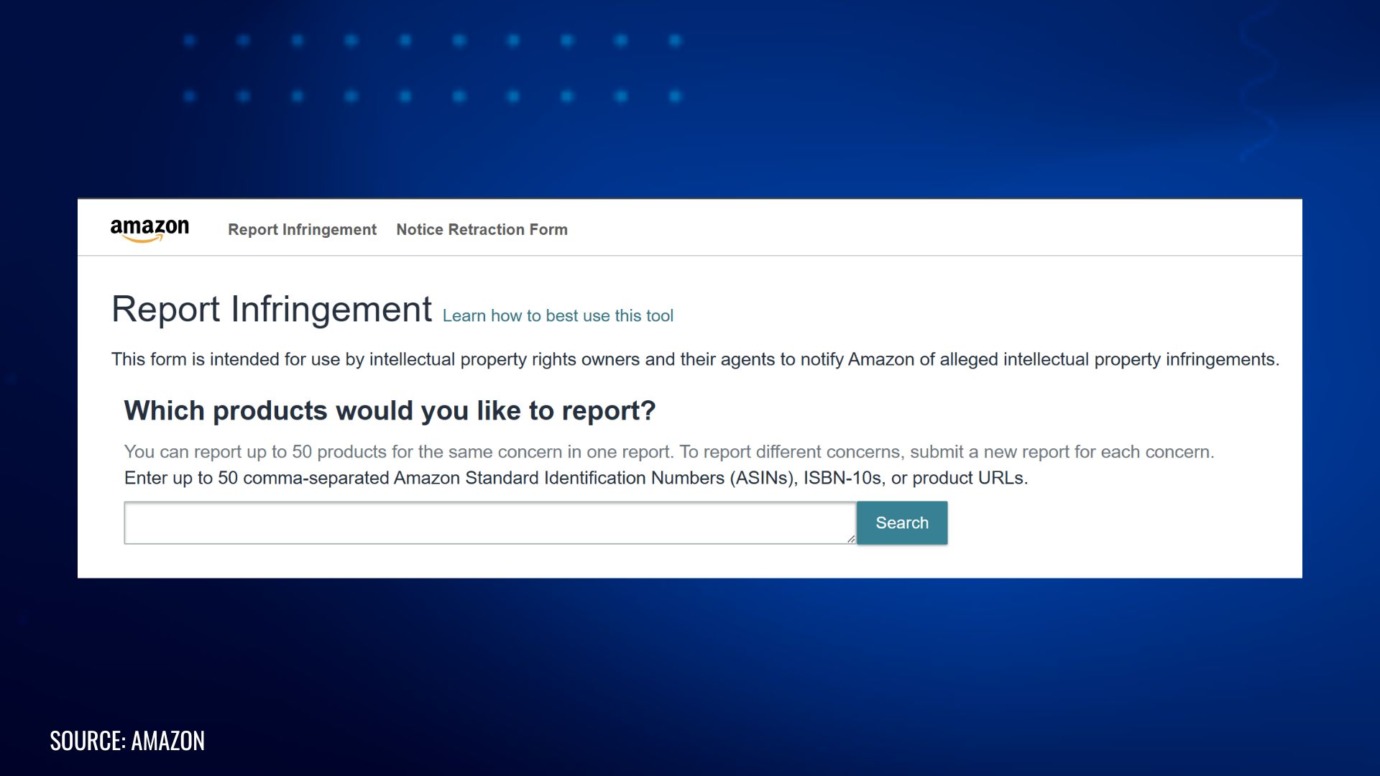
Patents protect inventions and product designs, but it’s important to note that infringement depends on patent claims, not just visual similarity. Selling a product that copies a patented feature or design can lead to a patent infringement claim, but determining infringement is complex and usually requires professional review. On platforms like Amazon, IP issues are handled quickly. An IP owner can report you, causing your listing to be taken down immediately.
Common Examples of IP Infringement on Amazon
These are situations Amazon sellers often run into:
Using Trademarked Keywords Without Permission
You sell a vacuum and describe it as “compatible with Dyson.” If you are not careful, Amazon may flag you for using “Dyson” in a way that violates trademark rules, even when your use is purely descriptive; Amazon enforcement can still happen.
Selling Products Without Proper Rights
A supplier says they have the rights to make a certain toy. You trust them, but later find out the toy’s design belongs to someone else. You’re then accused of intellectual property infringement.
Unauthorized Use of Images and Content
You find a nice photo online and put it on your listing. The original owner sees it and files a copyright claim against you. The same goes for copying someone else’s product description or text. Using their wording without permission can also lead to complaints or legal issues.
How To Protect Your Amazon Business From IP Infringement
It’s easier and cheaper to avoid problems than to fix them later. While there’s no way to guarantee you’ll never receive an IP complaint, you shouldn’t rely on Amazon to tell you what’s okay to sell. Take charge and follow these key steps to lower your risk:
Verify Your Suppliers and Product Rights
Always ask your supplier for proof that they have the rights to sell the product. If they sell branded items, ask for documents showing where they bought them. However, keep in mind that assurances from your supplier do not protect you from liability or potential enforcement action from Amazon.
Create Original Content for Your Listings
Take your own photos. Write your own descriptions. Don’t use content from other sellers or websites.
Conduct Trademark Searches Before Branding
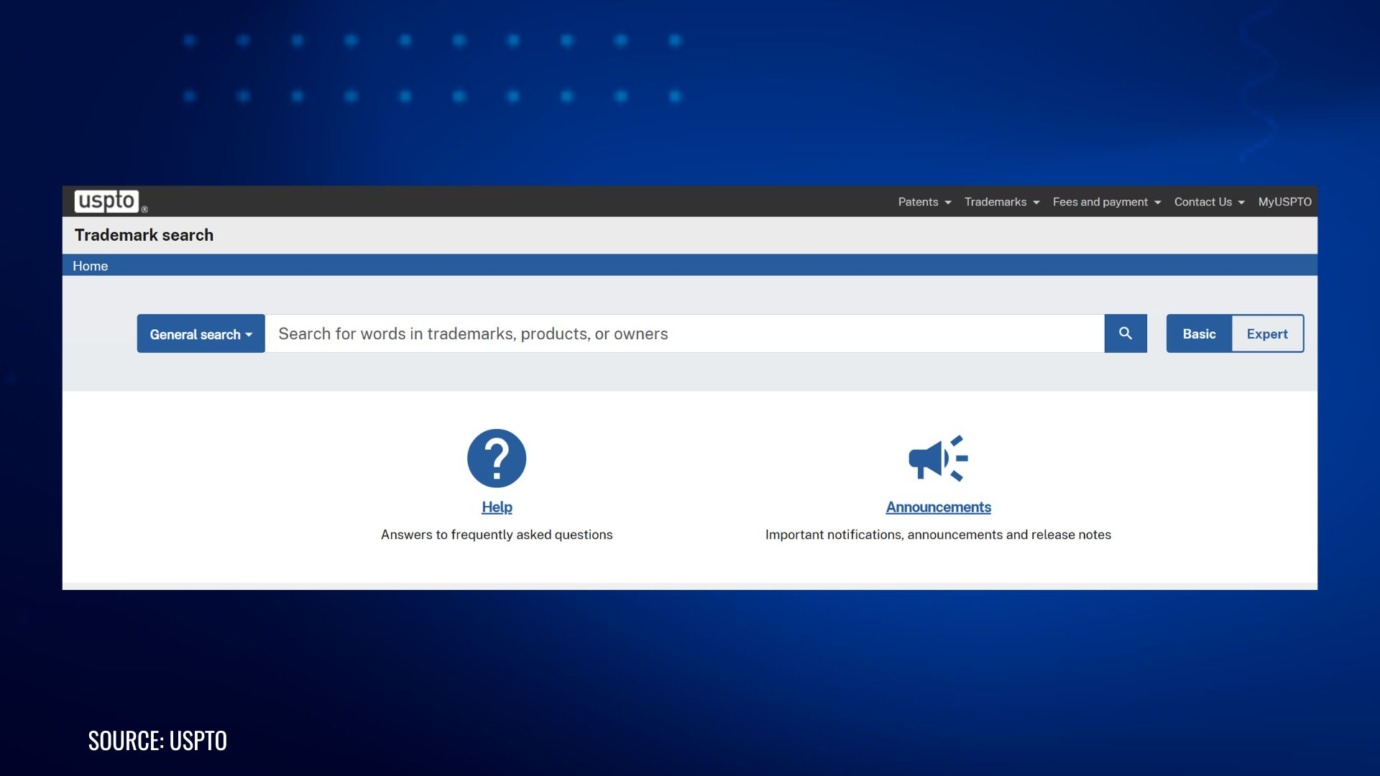
Before choosing a brand name or slogan for your products, search official trademark databases to make sure they are available in your product area.
Research Patent Protections
If you have a new or unusual product design, research whether it might already be patented. Consider hiring a professional for a patent search if you’re unsure. A utility and design patent registration service can help safeguard your unique products and avoid potential claims
Register for Amazon Brand Registry
Register your trademark and then enroll in Amazon Brand Registry. These are separate steps, and both are necessary to fully protect your brand and access Amazon’s brand protection tools.
Follow Amazon’s Compatibility Guidelines
If you sell accessories, follow Amazon’s rules for describing compatibility with branded products. For example, stating “cord compatible with iPhone” is generally acceptable, but even careful, descriptive uses can sometimes be flagged by Amazon for trademark concerns, so review your listings regularly for compliance.
Perform Regular Listing Audits
Laws change, and new trademarks and patents are filed. Go over your listings and backend keywords regularly to make sure you haven’t added anything protected.
What To Do If You Receive an IP Infringement Notice
Even if you’re careful, you might still get an intellectual property infringement notice. Sometimes competitors file claims to hurt your business, or you simply commit an honest error.
If this happens, you need to act quickly. It’s important to understand that Amazon often acts first and asks questions later. In many cases, a listing may be restricted or removed as soon as a complaint is filed, sometimes without a clear explanation of what the issue is. That’s why responding promptly with a clear, well-supported explanation is critical. Amazon may ask for a Plan of Action (POA) or evidence showing that no infringement occurred. While many sellers try to handle this on their own, the process can be complex and mistakes are common.
How an IP Attorney Can Help Amazon Sellers
Good legal advice can make a big difference. Poorly drafted responses to complaints can harm future appeals, making it even harder to restore your account or listings. Here’s how a lawyer can help you avoid that:
- Reviewing the complaint to see if it’s valid
- Preparing a proper response for Amazon
- Contacting the rights owner to try to get the complaint withdrawn
- Helping you restore your listings or your account
Get Expert Legal Support for Intellectual Property Challenges
At Cabilly & Co., we help Amazon sellers and online brands handle IP issues, from responding to infringement notices to planning long-term brand protection.
An IP complaint doesn’t have to mean the end of your Amazon activity. If you need guidance, we’re here to help. Contact us.
Legal Disclaimer: The articles published on our platform are for informational purposes only and do not constitute legal advice in any form. They are not intended to be a substitute for professional legal counsel. For any legal matters, it is essential to consult with us or a qualified attorney who can provide advice tailored to your specific situation. Reliance on any information provided in these articles is solely at your own risk.
Read the latest from Cabilly & Co.

What Is The Cost Of An Arbitration Lawyer?
KEEP READING
 Mar 15, 2026
Mar 15, 2026 Amazon Brand Registry – Discover for Free if You’re Eligible
Increase Your Chance of Getting a
Trademark to 96%


STAY UPDATED
Subscribe to Our Newsletter
Sign up to receive valuable information on E-Commerce and intellectual property