Book a FREE 15-minute consultation with an expert – Book Now

How to Use Music Legally in Social Media Marketing: A Guide for Brands
Adding a trending song to your Instagram Reel or Facebook ad seems innocent enough. The platform provides the music library; your competitors are doing it, and it makes your content more engaging. But for businesses, this common practice has become a legal minefield.
Major brands across the United States are now facing copyright infringement lawsuits with damages potentially reaching millions of dollars. Record labels, including Sony Music and Warner Music, have launched an aggressive enforcement campaign targeting companies that use popular songs in social media marketing without proper licenses. Our firm has represented clients navigating these exact copyright challenges, and the stakes have never been higher.
The message from these lawsuits is clear: using platform music tools may not protect your business from copyright liability. Whether you’re a Fortune 500 retailer or a small e-commerce brand working with influencers, unlicensed music in commercial content can trigger serious legal consequences.
Important note: This article focuses on U.S. copyright law. Laws in other jurisdictions may differ significantly.
How Music Copyright Works Under U.S. Law
Under U.S. copyright law, music copyright protection involves multiple rights controlled by different parties:
- Sound recording rights: Typically owned by record labels, covering the specific recorded performance
- Musical composition rights: Usually owned by songwriters or music publishers, covering the underlying song
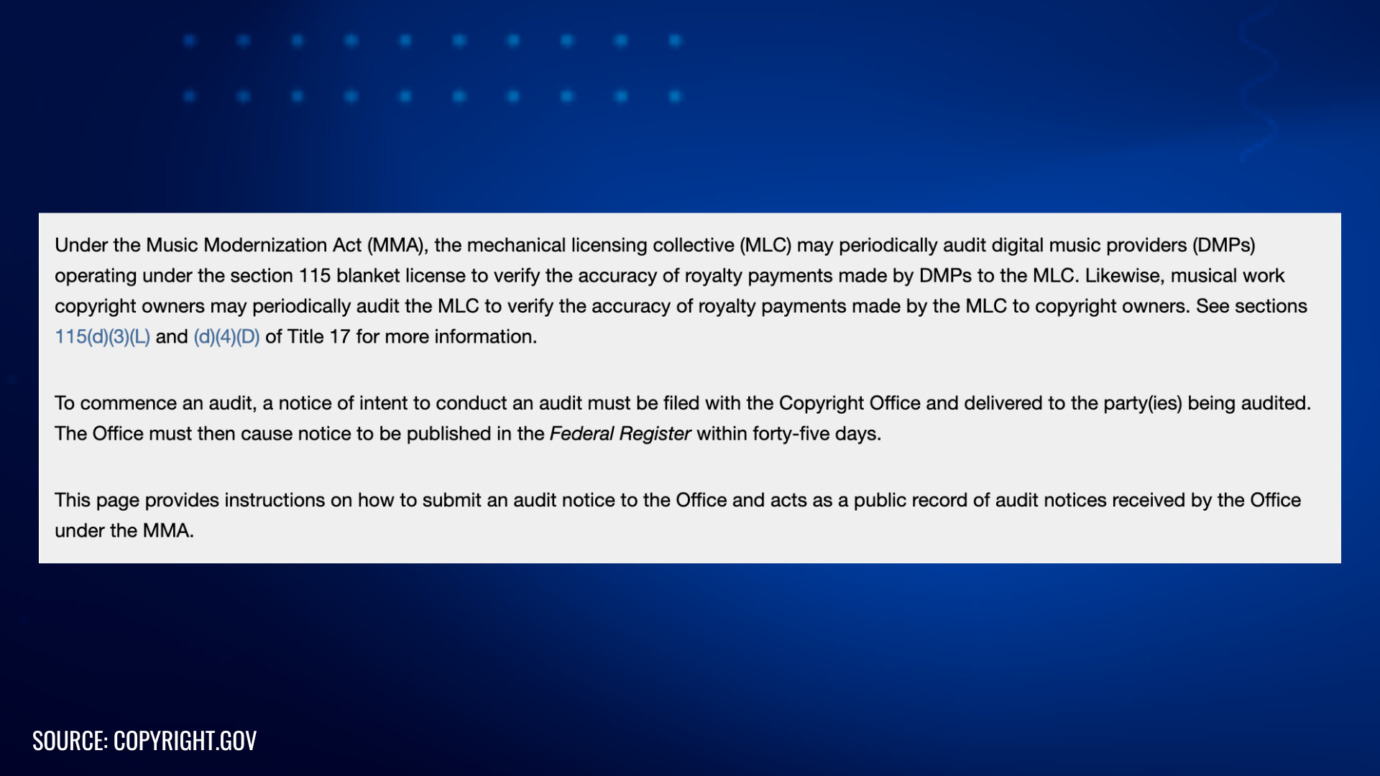
When your business uploads a social media post featuring a popular song, you may be creating a reproduction and public performance of both the sound recording and the musical composition. Each use typically requires specific licenses from the respective rights holders. Other types of music copyright may also be at play, such as synchronization rights (for using music in visual media) and mechanical rights (for reproducing music on physical or digital products). These additional rights are often owned by different parties than the sound recording and composition rights.
It’s crucial to note that copyright law can differ significantly between countries. If your business is operating globally, it’s crucial to understand the laws and regulations regarding music copyright in each jurisdiction you operate in. Ignoring these laws can result in hefty fines and legal consequences.
Furthermore, it’s important to consider not only the legal aspects but also the ethical implications of using copyrighted music without proper licenses or permissions. Artists and creators deserve to be compensated for their work. 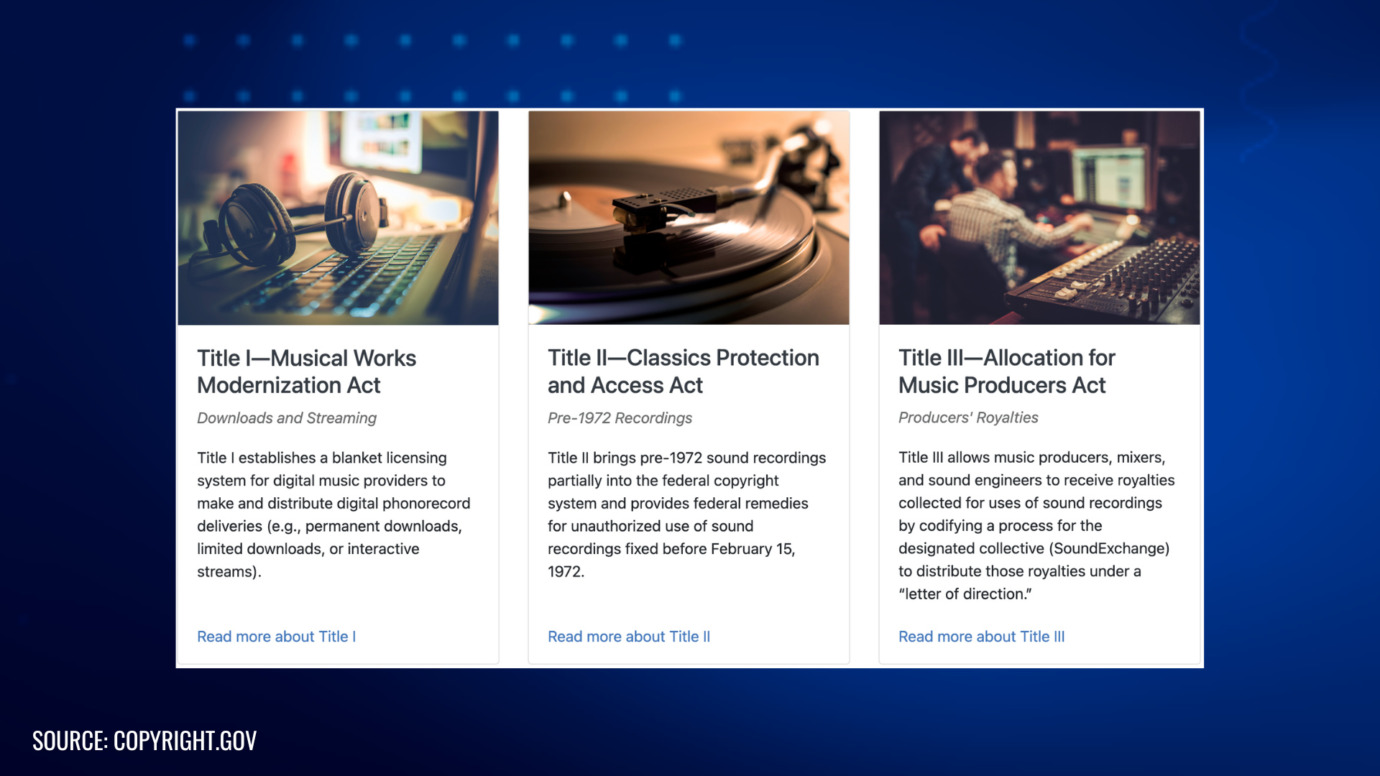
Approaches to Using Music in Social Media Marketing
For businesses concerned about copyright risk, several approaches exist, each with different considerations.
Option 1: Obtain Specific Licenses
For businesses wanting to use specific popular songs, licensing typically involves:
- Synchronization License: Permission from the music publisher (or songwriter) to synchronize the musical composition with visual content.
- Master Use License: Permission from the record label to use the specific sound recording.
Popular songs typically require negotiating with multiple rights holders, and licensing costs vary based on numerous factors.
For guidance on intellectual property licensing, our firm helps businesses navigate these negotiations.
Option 2: Consider Royalty-Free or Stock Music Services
Some businesses use music libraries that offer tracks with licensing terms intended for commercial use. If considering this approach:
- Review the specific license agreement for each service and track
- Understand that license terms can change over time
- Verify the license covers your intended use (social media, advertising, commercial purposes)
- Recognize that “royalty-free” doesn’t necessarily mean “free” or “unlimited use”
- Be aware that even stock music services may have restrictions
We cannot endorse specific music services or guarantee that any third-party license will protect you in all circumstances. Licensing terms change, and what’s permitted under one service’s agreement may differ from another.
Option 3: Commission Original Music
Working with composers to create original music can provide more control over usage rights, provided you have proper written agreements that clearly transfer rights or establish work-for-hire relationships. Even with original music, legal issues can arise if:
- Rights weren’t properly transferred in writing
- The composer used samples or elements from other works
- The work-for-hire relationship wasn’t clearly established
- Multiple parties contributed without clear ownership terms
Implement Internal Review Processes
Regardless of which approach you choose, consider establishing internal protocols:
- Content review procedures
- Documentation of music sources and licenses
- Clear guidelines for marketing teams and partners
- Regular audits of published content
- Response procedures for copyright claims
Protect Your Business from Music Copyright Concerns
Social media music copyright has evolved into a complex area of law with significant implications for brands. With record labels actively enforcing their rights and unresolved legal questions, businesses need to carefully consider their music usage practices.
Whether you’re developing influencer partnerships, creating in-house content, or managing social media campaigns, understanding the copyright landscape and potential risks is increasingly important.
Our intellectual property attorneys help businesses evaluate their social media practices, understand licensing requirements, and address copyright concerns.
Need guidance on social media music copyright issues? Contact us for a consultation. We’ll review your situation, discuss potential concerns, and help develop an appropriate strategy for your business.
Get Legal Guidance on Music Copyright Matters – Contact us
Legal Disclaimer: The articles published on our platform are for informational purposes only and do not constitute legal advice in any form. They are not intended to be a substitute for professional legal counsel. For any legal matters, it is essential to consult with us or a qualified attorney who can provide advice tailored to your specific situation. Reliance on any information provided in these articles is solely at your own risk.
Read the latest from Cabilly & Co.
 Feb 16, 2026
Amazon Brand Registry – Discover for Free if You’re Eligible
Increase Your Chance of Getting a
Trademark to 96%


STAY UPDATED
Subscribe to Our Newsletter
Sign up to receive valuable information on E-Commerce and intellectual property