Book a FREE 15-minute consultation with an expert – Book Now

The Most Expensive Brand Name Mistakes in Business History (and How to Avoid Them)
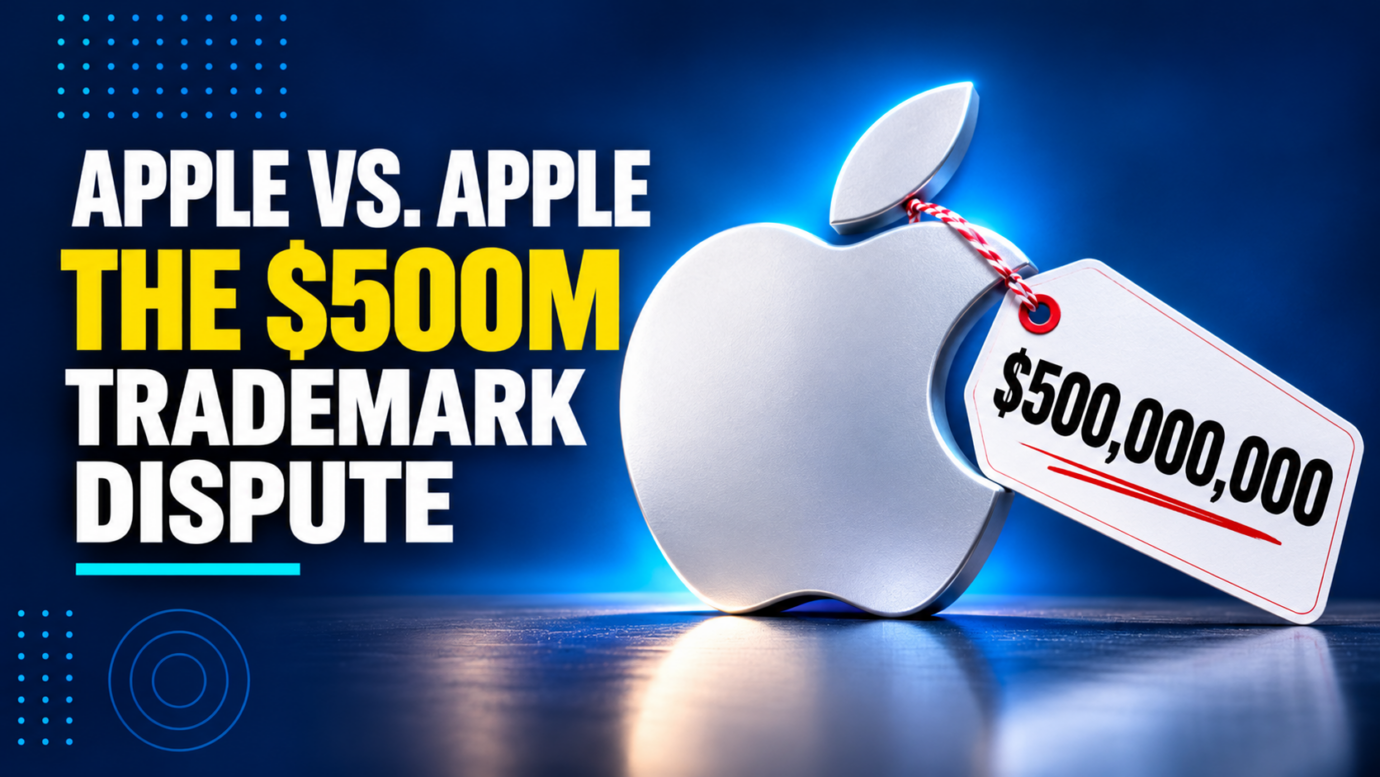
A company once paid a reported half a billion dollars for the right to use its own name.
That’s not a typo, and it is not a one-off. Some of the most recognizable brands in the world have paid tens or hundreds of millions of dollars, or been locked out of entire countries, because of a single decision made at the very beginning: choosing a name without making sure it was truly theirs to use.
The same mistake happens to small businesses every day. At Cabilly & Co., we regularly work with sellers who discover, often in the middle of expanding, that someone else already holds rights to their brand name.
Below, we break down four of the costliest trademark mistakes in business history and the practical lessons they hold for anyone building a brand today.
Why Brand Name Mistakes Are So Expensive
Imagine spending years building a business. You have the product, the customers, and a name people recognize. Then a letter arrives, or a lawsuit, and you learn that the name on your packaging, your storefront, and your listings may not be fully yours.
At that point, the options are rarely good. You can pay to keep the name, fight a long legal battle, or rebrand from scratch.
The cost of fixing a naming problem grows with every year you build on it. That’s exactly what the following cases show.
1. Apple vs. Apple Corps: The Half-Billion-Dollar Name
Apple is one of the most valuable companies on earth. But it was not the first Apple.
Apple Corps, the company founded by The Beatles, used the name years before the computer company existed. When Apple Computer arrived, the two sides clashed, and kept clashing for decades.
The dispute started in the late 1970s, was settled, then flared up again as the tech company moved closer to music. Once iTunes and the iPod arrived, the overlap became impossible to ignore.
In 2007, the two companies reached a final agreement that gave Apple Inc. control of the name. The terms were not officially disclosed, but the deal was widely reported to be worth around $500 million.
The lesson: Using a name doesn’t automatically make it yours. If someone got there first, especially in a related field, their earlier rights can follow you for years and cost a fortune to clear.
2. The iPad in China: Why Trademark Rights Are Territorial
When Apple prepared to launch the iPad worldwide, it needed rights to the name in every major market, including China. The problem was that a local company had registered rights connected to the “iPad” name there first.
The result was a legal fight that ended in 2012, when Apple paid $60 million to secure the name in China.
Apple had not copied anyone. It had bought iPad trademark rights from a Proview affiliate, but a Chinese court found that a different Proview unit owned the name in China. Apple ended up paying to secure rights it thought it already had.
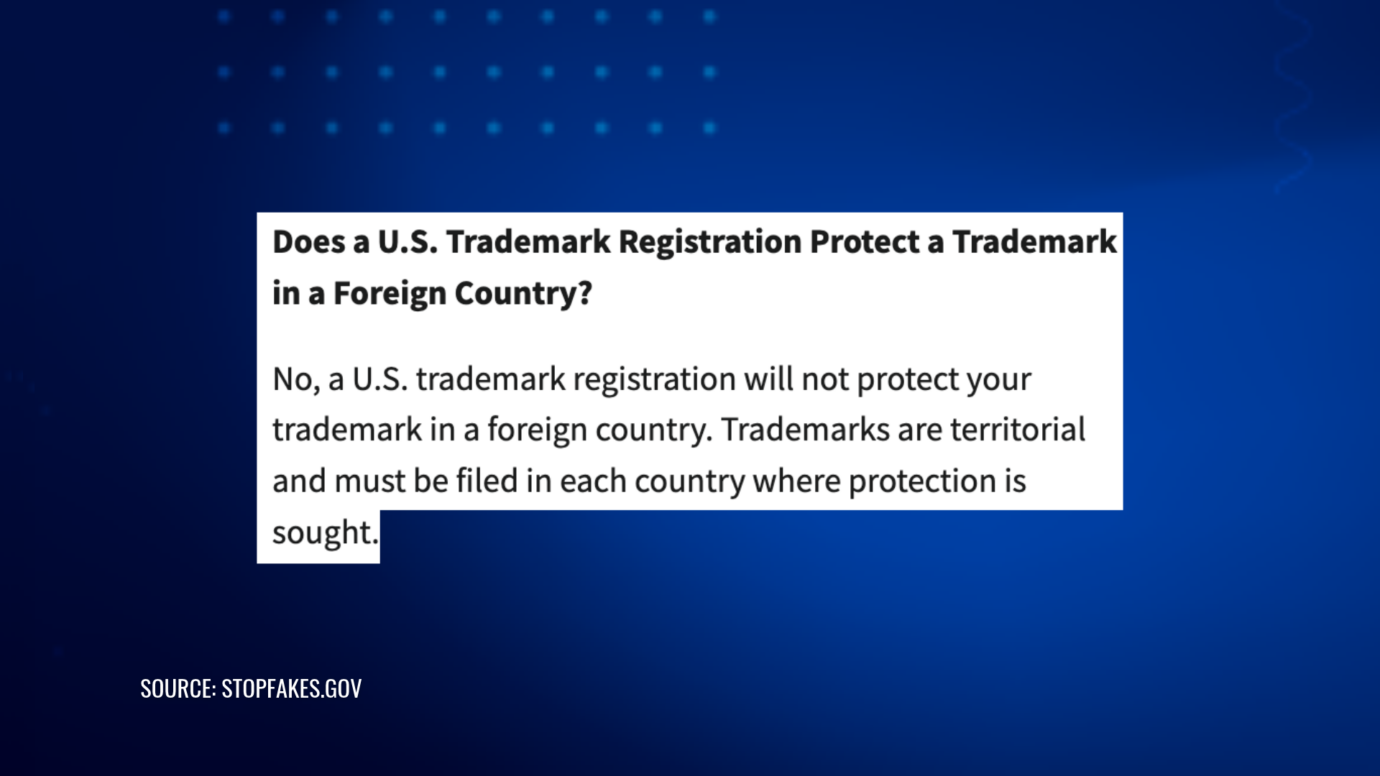
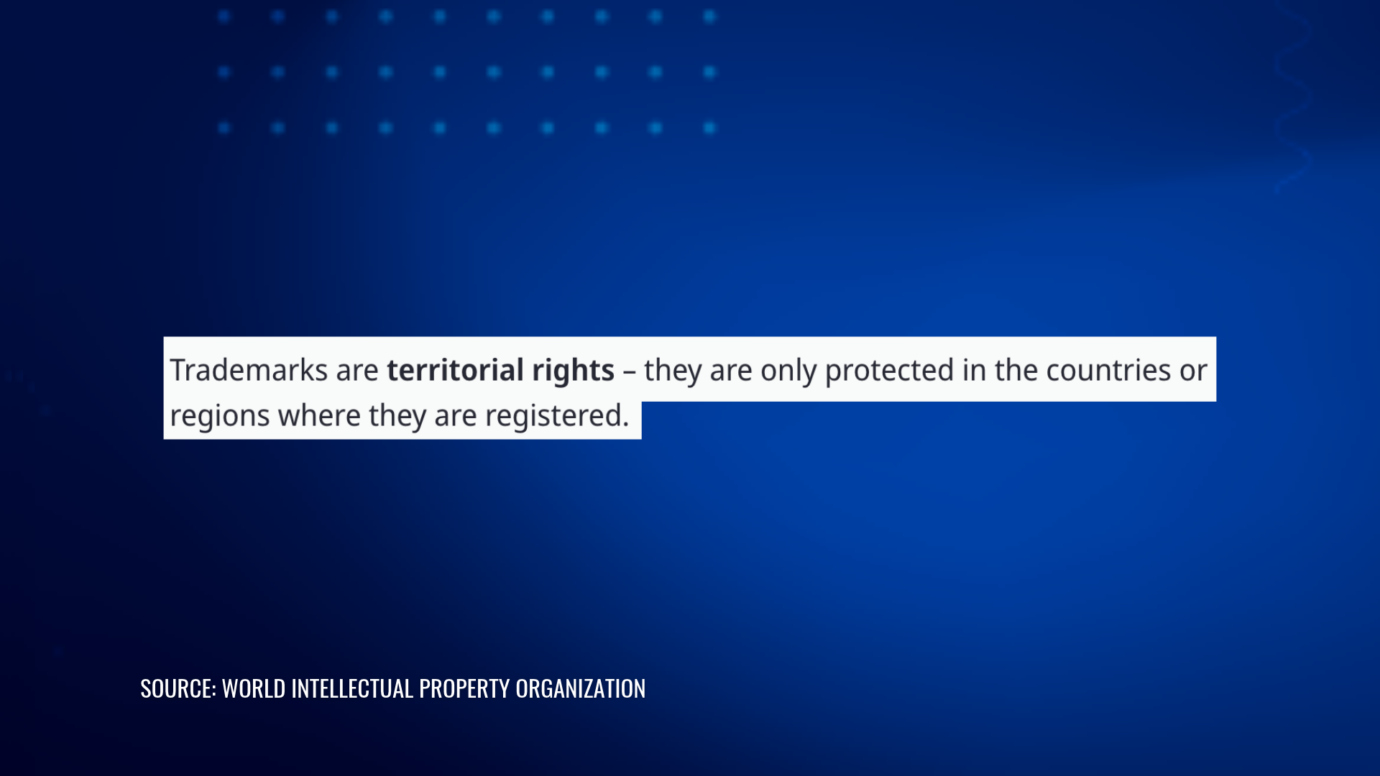
The lesson: Trademark rights are territorial. Owning a name in your home country does not give you rights to it anywhere else.
This is a challenge we see constantly with e-commerce sellers. A brand grows at home, starts expanding overseas, and finds that someone in the new market already registered the name. Sometimes it’s a coincidence. Sometimes it’s a trademark squatter who registered the name on purpose, waiting for the brand to arrive.
If you plan to sell internationally, systems like the Madrid Protocol for international trademark registration can help you extend protection to multiple countries through a single application, but timing matters. Protection works best when it’s in place before you enter a market, not after.
3. Burger King in Australia: The Brand That Became Hungry Jack’s
If you have ever visited Australia, you may have noticed something odd. There are no Burger King restaurants. Instead, there is a chain with a similar look, a similar menu, and a completely different name: Hungry Jack’s.
When Burger King expanded into Australia in the early 1970s, it discovered that the name “Burger King” was already trademarked there by a local takeaway business in Adelaide.
Unable to use its own name, the company gave its Australian franchisee a list of names already owned by Burger King’s then-parent company, Pillsbury. The one they chose, “Hungry Jack’s,” came from a Pillsbury pancake mix product.
More than fifty years later, one of the most recognizable fast-food brands in the world still operates under a different name across an entire country.
The lesson: In many countries, being first matters enormously. Your global reputation won’t necessarily outweigh someone else’s earlier local registration.
Planning to launch or expand your brand? A quick review at the naming stage costs a fraction of what a dispute does later. Speak with our trademark team before you commit to a name.
4. Tiffany vs. Costco: The Danger of Using Someone Else’s Brand Name
The first three cases are about protecting your own name. This one is about using someone else’s.
Costco sold diamond engagement rings with display signs that used the word “Tiffany.” Tiffany & Co. sued, arguing that shoppers were being misled into thinking the rings were genuine Tiffany products.
Costco argued that “Tiffany” had become a generic term for a style of ring setting. In 2015, a federal judge rejected that argument. In 2017, the court ordered Costco to pay around $19.4 million, plus interest.
The story didn’t end there. In 2020, a federal appeals court vacated the judgment, finding that Costco’s defense should have gone before a jury, and sent the case back for trial. The companies settled in 2021 on undisclosed terms.
Even with that reversal, Costco spent roughly eight years in litigation over a few words on display signs, and faced a multimillion-dollar judgment along the way.
The lesson: Mentioning a well-known brand in your product listings, ads, or signage, even casually or descriptively, can lead to serious trademark infringement claims. “It’s just a descriptive word” is not always the safe defense sellers assume it is. For Amazon sellers in particular, our guide to the four pillars of intellectual property on Amazon explains how to avoid infringing on third-party rights.
PROTECT YOUR BRAND. GROW YOUR BUSINESS.
Rated 4.9 by 100+ clients on Google Reviews

Top 20
Trademark lawyer in the US*
Top 3
Service providers for Amazon sellers*
96%
Success rate for TM registrations
8000+
Clients Worldwide
The One Mistake Behind Every Case
The dollar amounts make these stories dramatic, but the underlying problem is the same in each one.
Someone started using, or building around, a name without first confirming that it was clear and truly theirs to use.
In many cases, that mistake can be caught early.
How to Protect Your Brand Name Before It Becomes a Problem
Run a Proper Trademark Search Before You Commit
A quick Google search or checking whether the domain is available is not enough. A real trademark clearance search looks at whether anyone already holds rights to the same name, or a confusingly similar one, in your field.
The USPTO itself explains why searching for similar trademarks before you file can help you avoid costly problems with your application. Keep in mind that in the U.S., trademark rights can also come from actual use in commerce, so a thorough search should look beyond the federal register.
Think About Where You Will Sell, Not Just Where You Are Now
If there’s any chance you’ll expand into other countries, as many online sellers do, your name needs to work in those markets too. Check availability in your target countries early, before you invest heavily in the brand.
Register Your Trademark Early
The earlier you secure your rights, the stronger your position. While the U.S. generally recognizes rights based on use, many other countries, including China, largely follow a first-to-file system. Filing early reduces the risk that you are the one forced to back down. Our trademark registration services cover everything from the initial search to filing and beyond, and our broader intellectual property services support brand protection internationally.
Be Careful With Other People’s Brand Names
Using a famous brand name to attract attention in listings, keywords, or marketing is one of the fastest ways to invite a costly dispute. Describe your product on its own merits.
The Fix Is Far Cheaper Than the Mistake
None of these disasters started with a lawsuit. They started with a decision about a name, whether choosing one or borrowing one, made without checking who held the rights, at a time when fixing it would have been simple and inexpensive.
A careful search and the right guidance at the naming stage cost a tiny fraction of what any of these companies paid to clean things up later.
Protect Your Brand Name Before It Becomes a Costly Lesson
Whether you are choosing a name for a new product, launching a brand, or expanding into new markets, making sure your name is safe to use is one of the most valuable steps you can take.
Our team at Cabilly & Co. helps brand owners and e-commerce sellers run trademark searches, register their marks in the U.S. and internationally, and resolve naming conflicts before they turn into expensive disputes.
Contact Cabilly & Co. today to make sure the name you are building on is truly yours.
Legal Disclaimer: The articles published on our platform are for informational purposes only and do not constitute legal advice in any form. They are not intended to be a substitute for professional legal counsel. For any legal matters, it is essential to consult with us or a qualified attorney who can provide advice tailored to your specific situation. Reliance on any information provided in these articles is solely at your own risk.
Frequently Asked Questions
What is the most expensive trademark mistake in business history?
One of the best-known examples is Apple’s long dispute with Apple Corps, the company founded by The Beatles. The two companies clashed over the “Apple” name from the late 1970s until 2007, when Apple Inc. took ownership of the name in a deal widely reported to be worth around $500 million. The terms were never officially disclosed.
Why is Burger King called Hungry Jack's in Australia?
When Burger King expanded into Australia in 1971, a local business in Adelaide already held the “Burger King” trademark there. Burger King’s Australian franchisee chose “Hungry Jack’s” instead, a name taken from a pancake mix owned by Pillsbury, Burger King’s parent company at the time. The chain still operates as Hungry Jack’s today.
How much did Apple pay for the iPad name in China?
Apple paid $60 million in 2012 to settle a dispute with Proview, a Chinese company that had registered the iPad trademark in China years before Apple’s tablet launched. The case shows that owning a name in one country does not secure it in another.
Does a U.S. trademark protect my brand in other countries?
No. Trademark rights are territorial, so a U.S. registration only covers the United States. To protect your brand abroad, you need to file in each country or region where you want protection, either directly or through the Madrid Protocol, which lets you extend a single application to many member countries.
Is a Google search or domain check enough to see if a brand name is available?
No. A clearance search should check federal and state trademark databases and also look for unregistered businesses using the same or a confusingly similar name in your field. In the U.S., trademark rights can come from use in commerce alone, so a name that isn’t registered may still belong to someone else.
What does "first-to-file" mean for trademarks?
In a first-to-file system, the first party to file a trademark application generally gets priority to the name, regardless of who used it first. China and many other countries largely follow this approach, while the U.S. also recognizes rights based on actual use. If you plan to sell in a first-to-file country, filing before you enter that market can reduce the risk of someone registering your name ahead of you.
Can I use another brand's name in my product listings or ads?
It can be risky. Using a well-known brand name in listings, keywords, or signage, even to describe a style, can lead to trademark infringement claims if shoppers could be confused about who made the product. The Tiffany vs. Costco case ran for about eight years over the word “Tiffany” on display signs.
When should I register my trademark?
Ideally, before you invest heavily in a brand name and before you launch in any new market. Registering early strengthens your position and makes it harder for others to claim the name first, especially in countries that follow a first-to-file system.
Read the latest from Cabilly & Co.
 Nov 9, 2026
Amazon Brand Registry – Discover for Free if You’re Eligible
Increase Your Chance of Getting a
Trademark to 96%


STAY UPDATED
Subscribe to Our Newsletter
Sign up to receive valuable information on E-Commerce and intellectual property
Have a legal question?
