Book a FREE 15-minute consultation with an expert – Book Now

Can You Trademark a Brand Name That Already Exists on Amazon in Another Category?
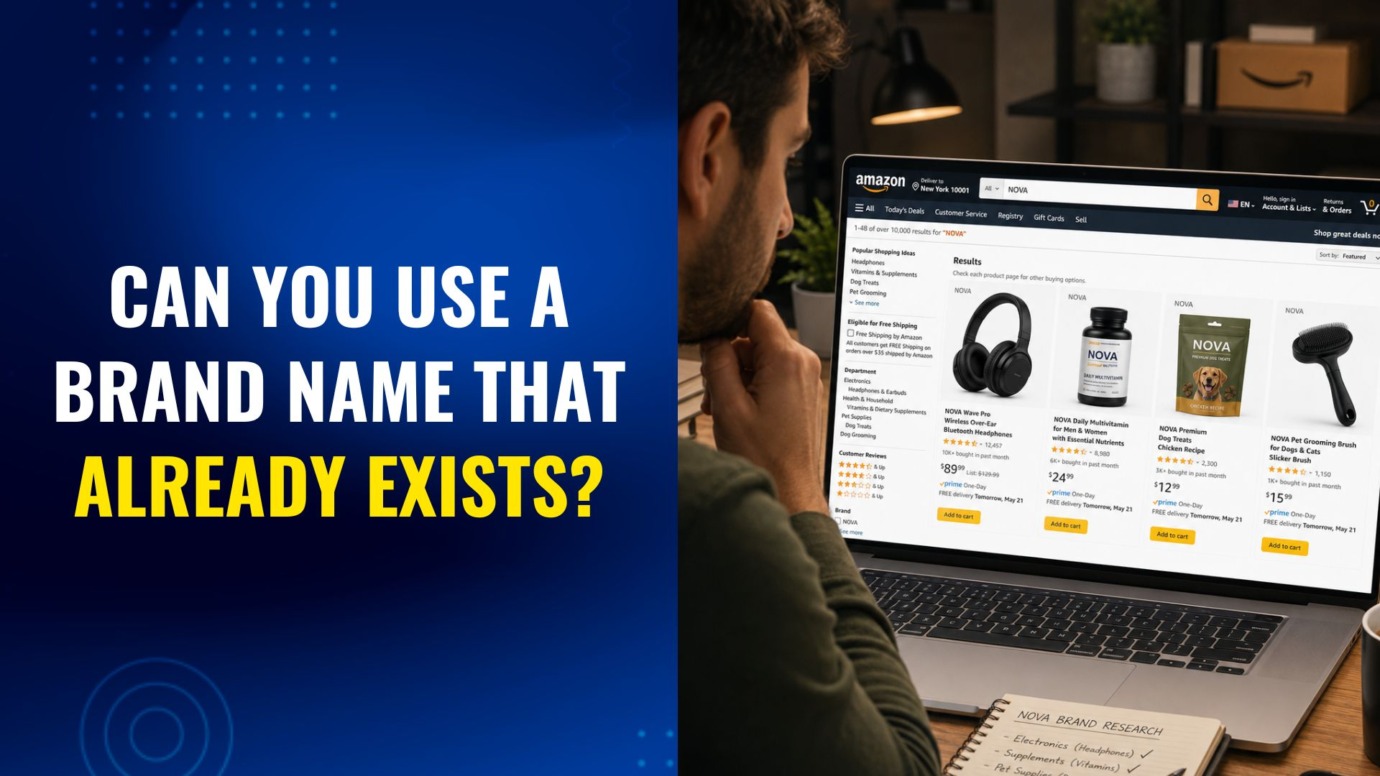
You found your niche, sourced your product, and settled on a brand name you love. There is just one problem: another seller on Amazon is already using the same name in a completely different product category.
Can you still trademark that name? And will Amazon let you into Brand Registry?
The short answer: registering the trademark may be possible, but it depends on how the USPTO evaluates the risk of consumer confusion. Getting into Brand Registry is a separate challenge entirely. At Cabilly & Co., we regularly help sellers navigate the gap between what trademark law allows and what Amazon actually enforces.
How Trademark Law Handles Identical Names in Different Categories
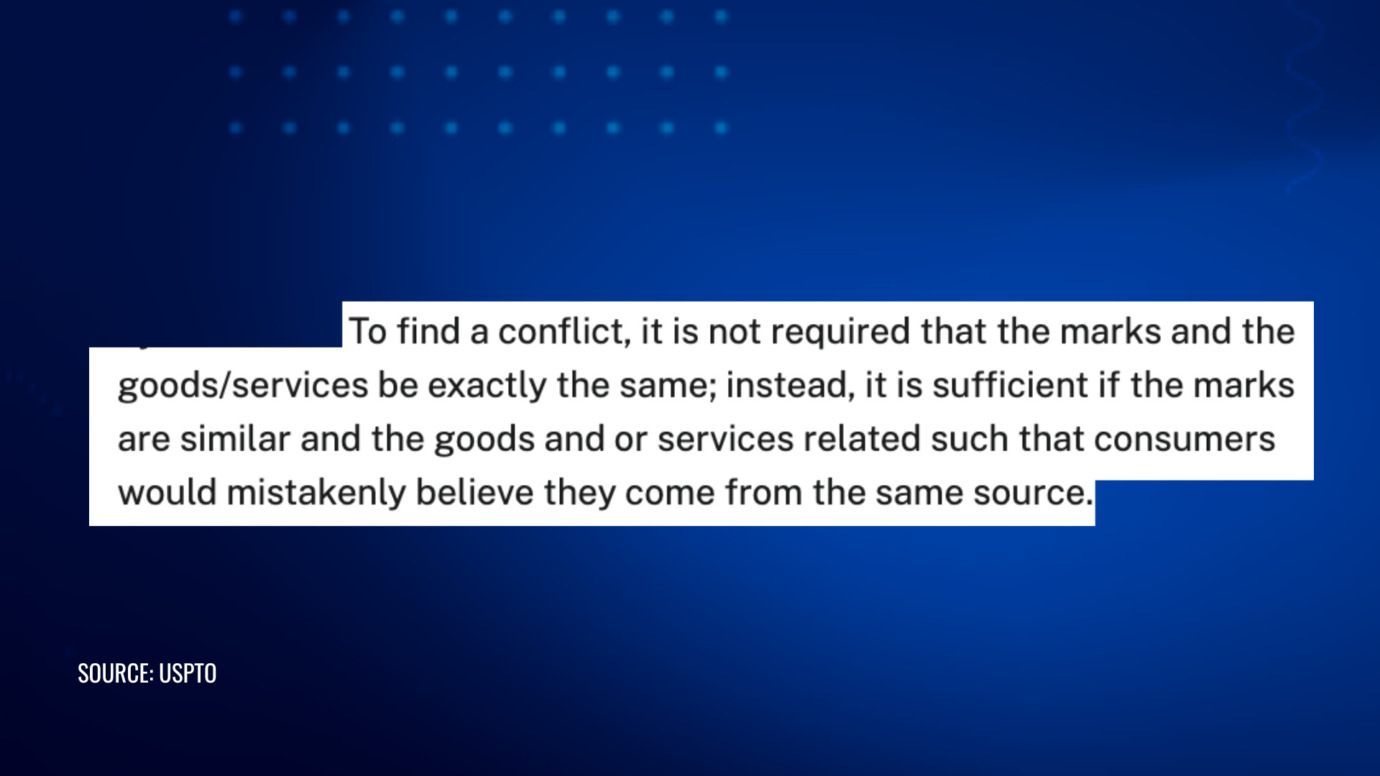
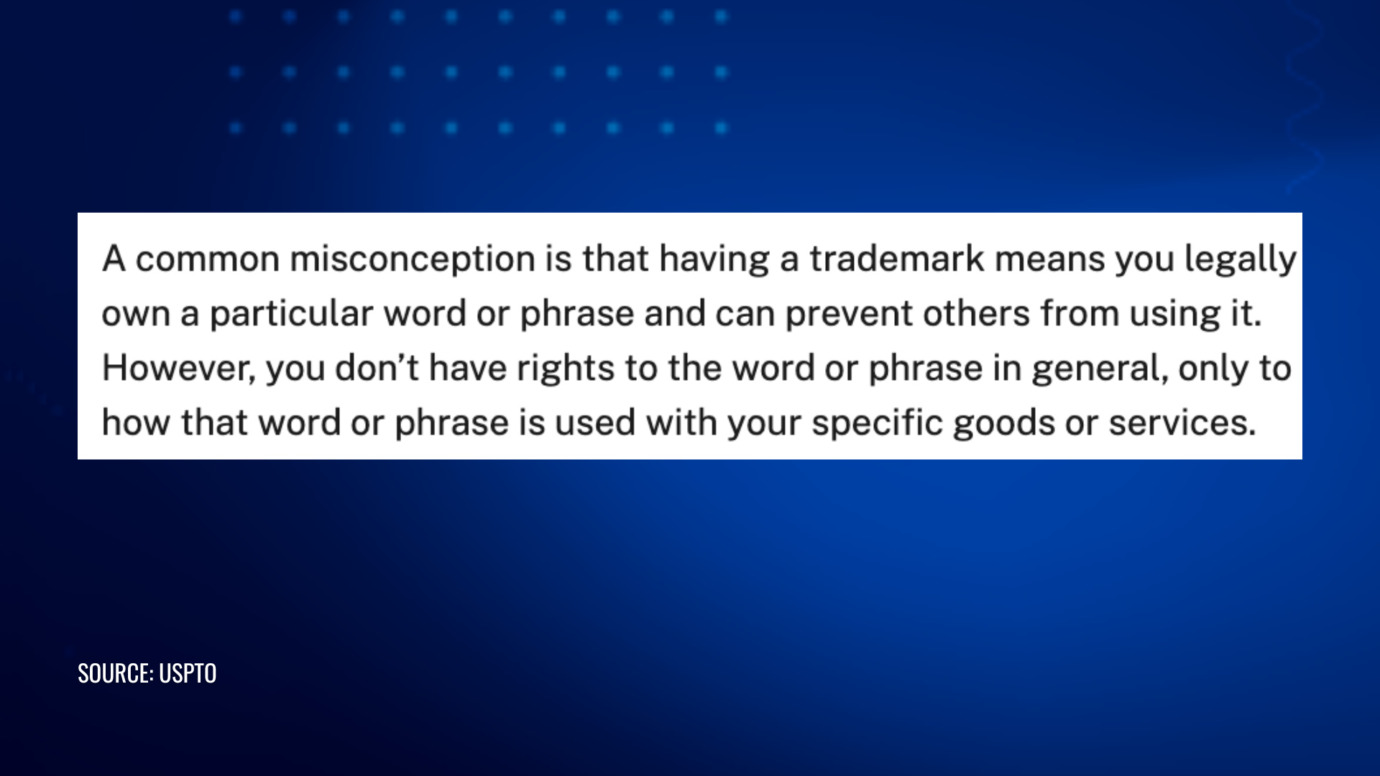
Under U.S. trademark law, identical brand names can legally coexist as long as they cover unrelated goods or services. The USPTO organizes trademarks into 45 classes, and a name registered in one class does not automatically block registration in another.
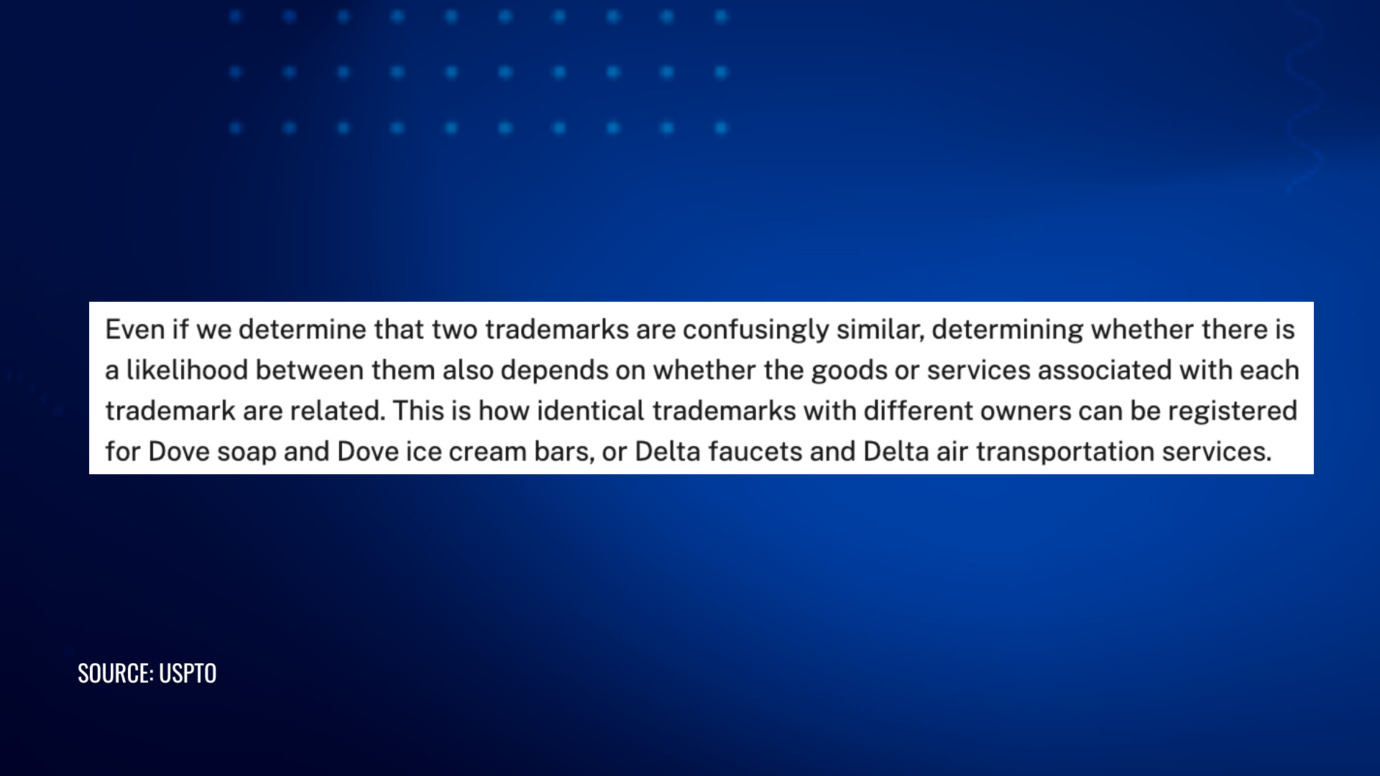
The key concept is “likelihood of confusion.” The USPTO evaluates whether two marks can coexist based on whether consumers would reasonably mistake one brand for the other. A well-known example is “Dove,” used by Unilever for soap and by Mars for chocolate. While both registrations are valid, this coexistence reflects specific market conditions, and not every shared name will have the same outcome.
It is also important to understand that “different class” does not always mean “unrelated.” The USPTO may still find confusion if products are the type consumers would expect to come from the same source. Clothing and jewelry fall under different classes, but fashion brands commonly sell both, which could create a conflict.
Where Amazon’s Rules Diverge from Trademark Law
This is where many sellers hit a wall. While they follow the USPTO’s lead, they have stricter standards for what they feel causes confusion, and they do not mirror trademark law. For a deeper look at the differences between these two systems, see our guide on Trademark Registration vs. Amazon’s Brand Registry.
Amazon’s Brand Registry team has communicated to sellers, including in Seller Central forums, that it limits brands with identical or highly similar names in its store. The stated reason is customer experience: preventing shoppers from confusing two brands that share a name, regardless of whether they sell different products.
In practice, a seller with a valid, registered trademark (even one active for years) can be rejected from Brand Registry simply because another brand enrolled first. Amazon representatives have told sellers in these forums that the decision “cannot be reversed, even with additional trademark class and product category information.” While these forum responses do not represent formal Amazon policy, they reflect a consistent pattern that sellers should take seriously.
The distinction matters. Trademark law asks whether consumers in a specific market would be confused. Amazon asks whether any confusion could occur anywhere on its platform.
What Happens When Your Application Gets Rejected
Rejected sellers typically receive a message stating their trademark is “identical or nearly identical to a brand already enrolled.” Appeals often produce the same outcome, even with detailed USPTO documentation and evidence of unrelated products. For a full breakdown of rejection reasons and how to address them, read our article on why Brand Registry applications get rejected.
This does not mean the situation is hopeless, but the standard appeal process alone is often not enough. Experience with Amazon’s internal processes and knowing how to frame your case can make a real difference.
Steps to Take Before Filing Your Trademark
If your chosen brand name already appears on Amazon, even in a different category, take these steps before committing to a trademark filing.
Consult a Trademark Attorney First
A trademark search and filing by an experienced attorney can identify conflicts early, saving you the cost of filing a mark that faces opposition at the USPTO or rejection at Amazon. For guidance on picking a name that will hold up, see our article on rules for choosing a trademarkable brand name.
Search the USPTO Database
Use the USPTO trademark search system to check whether the name is registered or pending in any class, not just yours.
Search Beyond the U.S.
If you plan to sell internationally or expand to other Amazon marketplaces in the future, search trademark databases in those countries as well.
A name that’s available in the U.S. may already be registered in the EU, UK, Canada, or other markets. Discovering that conflict after you’ve built your brand around the name is far more expensive than catching it early.
An experienced trademark attorney can run multi-jurisdiction searches and advise on whether it makes sense to file in additional countries now, before someone else claims the name in a market you’re planning to enter.
Search Amazon’s Catalog
Look for the brand name across all categories. Check whether the existing brand is enrolled in Brand Registry by reviewing its storefront and product pages.
Evaluate Confusion Broadly
Think beyond strict trademark classes. Would a consumer seeing both brands in Amazon search results think they are related? This is the type of assessment where an experienced trademark attorney can provide real clarity before you invest time and money into a filing.
Options if You Already Have the Trademark but Cannot Get into Brand Registry
If you hold a valid trademark but have been blocked from enrollment, consider these paths:
Re-apply Once Fully Registered
If your trademark was still pending when you applied, Amazon may reconsider once the mark is officially registered. Additional verification, including video verification, may become available.
Escalate Beyond Standard Support
Amazon’s internal processes sometimes allow for secondary reviews. A well-documented case presented through appropriate channels has, in some cases, led to reconsideration.
Explore the IP Accelerator Program
Amazon’s IP Accelerator connects sellers with vetted law firms and can provide Brand Registry access before a trademark is fully registered. However, this path has its own costs and limitations worth evaluating with an attorney.
Consider a Brand Name Variation
While not ideal, a distinctive variation of your name can sidestep the duplicate issue while preserving your brand identity.
Selling Without Brand Registry
You can technically list and sell products on Amazon without Brand Registry enrollment. However, without it you lose access to critical tools like A+ Content, Sponsored Brands ads, and enhanced reporting. You also have no ability to file IP complaints or protect your listings from hijackers.
For sellers focused on building and protecting a proprietary brand on Amazon, Brand Registry access is critical. To understand what can go wrong after enrollment, see our article on why Amazon might remove your Brand Registry.
The Bottom Line
Trademark law and Amazon Brand Registry are two different systems with different goals. The USPTO evaluates confusion within a specific product market. Amazon takes a broader, platform-wide approach that can block legitimate trademark holders simply because another brand enrolled first.
If you are choosing a brand name for Amazon, select something distinctive from the start. If you are already committed to a name that conflicts with an existing brand, having a clear strategy for both the trademark filing and the Brand Registry application is essential.
Whether you are filing a trademark, appealing a Brand Registry rejection, or navigating a duplicate brand name conflict, our team works at the intersection of IP law and Amazon policy. Contact us to discuss your situation and explore your options.
PROTECT YOUR BRAND. GROW YOUR BUSINESS.
Rated 4.9 by 80+ clients on Google Reviews

Top 20
Trademark lawyer in the US*
Top 3
Service providers for Amazon sellers*
96%
Success rate for TM registrations
8000+
Clients Worldwide
Legal Disclaimer: The articles published on our platform are for informational purposes only and do not constitute legal advice in any form. They are not intended to be a substitute for professional legal counsel. For any legal matters, it is essential to consult with us or a qualified attorney who can provide advice tailored to your specific situation. Reliance on any information provided in these articles is solely at your own risk.
Read the latest from Cabilly & Co.
 Oct 12, 2026

Amazon Brand Registry – Discover for Free if You’re Eligible
Increase Your Chance of Getting a
Trademark to 96%


STAY UPDATED
Subscribe to Our Newsletter
Sign up to receive valuable information on E-Commerce and intellectual property
Have a legal question?