Book a FREE 15-minute consultation with an expert – Book Now

Amazon Seller Compliance Tips to Protect Your Account
Compliance is not the reason people start selling on Amazon. It is, however, one of the main reasons sellers lose the ability to sell on Amazon.
The pattern is remarkably consistent. A missing certification, an inaccurate listing claim, an invoice that does not meet Amazon’s documentation standards. None of these issues come from dishonesty or intent to deceive. They come from sellers not knowing what was required of them in the first place.
At Cabilly & Co., we regularly help sellers resolve compliance-related suspensions, and the root cause is almost always preventable. This guide covers the five core compliance areas every Amazon seller needs to understand, the most common mistakes that lead to enforcement action, and what you can do to stay ahead of problems before they start.
Why Amazon Compliance Is Stricter Than Ever
Amazon has always had policies. What has changed is how those policies are enforced.
Most of Amazon’s compliance enforcement is now handled by automated systems. Algorithms continuously scan listings, monitor account activity, and flag potential violations, all without human review. That means enforcement happens quickly, often before a seller even realizes there is an issue.
A listing with a prohibited keyword can be suppressed automatically. A single intellectual property (IP) complaint from a brand owner can trigger an account-level review within hours. Products listed without proper safety documentation can be removed without warning.
Making matters more difficult, Amazon’s suspension notices are frequently vague. Sellers often receive a generic notification referencing a policy violation but are left to figure out the specifics on their own.
This is why compliance is not optional. It is the foundation that keeps your account active and your revenue flowing. Amazon’s own Selling Policies and Seller Code of Conduct outline these expectations clearly, and every seller should be familiar with them.
The 5 Core Areas of Amazon Seller Compliance
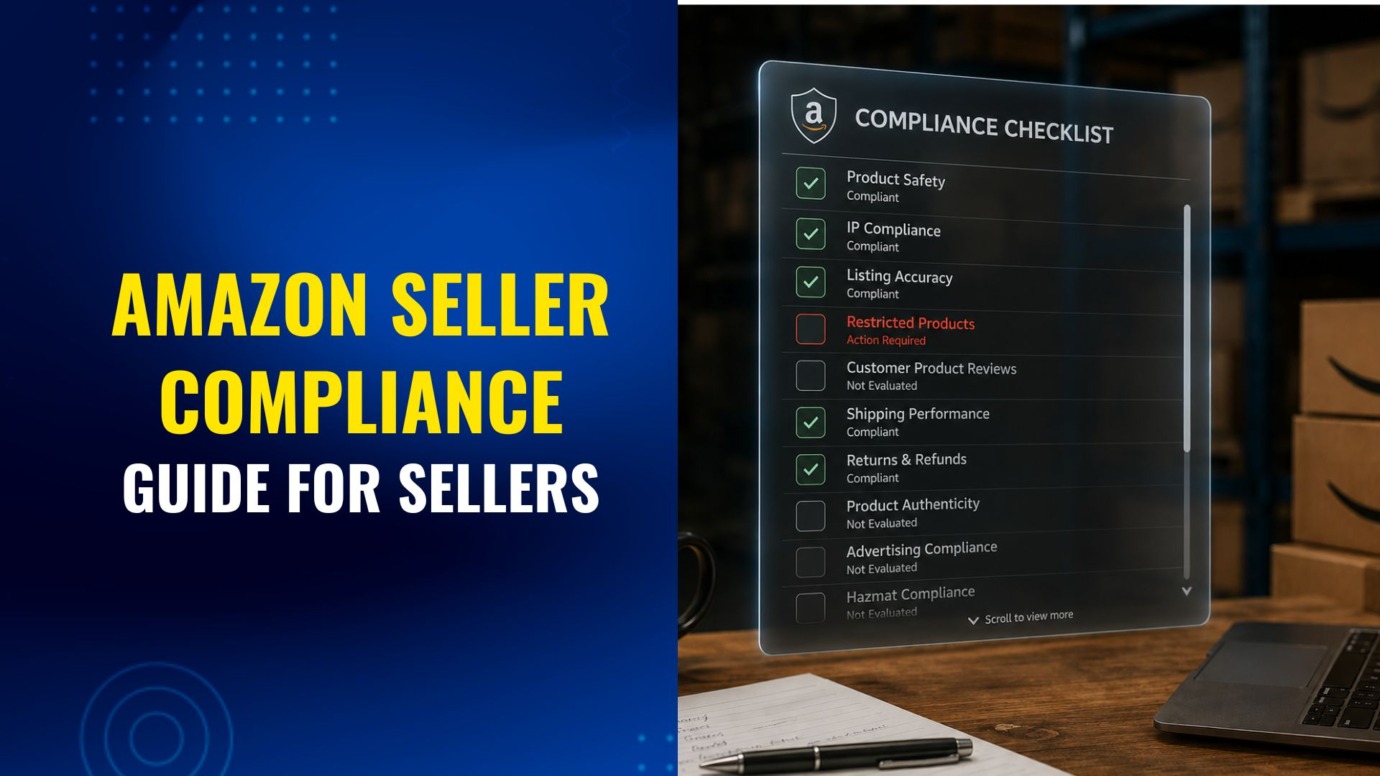
Whether you are a private label seller, a reseller, or a hybrid of both, these five areas apply to your business. Each one represents a potential point of failure that can lead to listing removal or account suspension.
Product Safety and Certification Requirements
Depending on your product category, Amazon may require specific safety certifications before allowing a listing to go live.
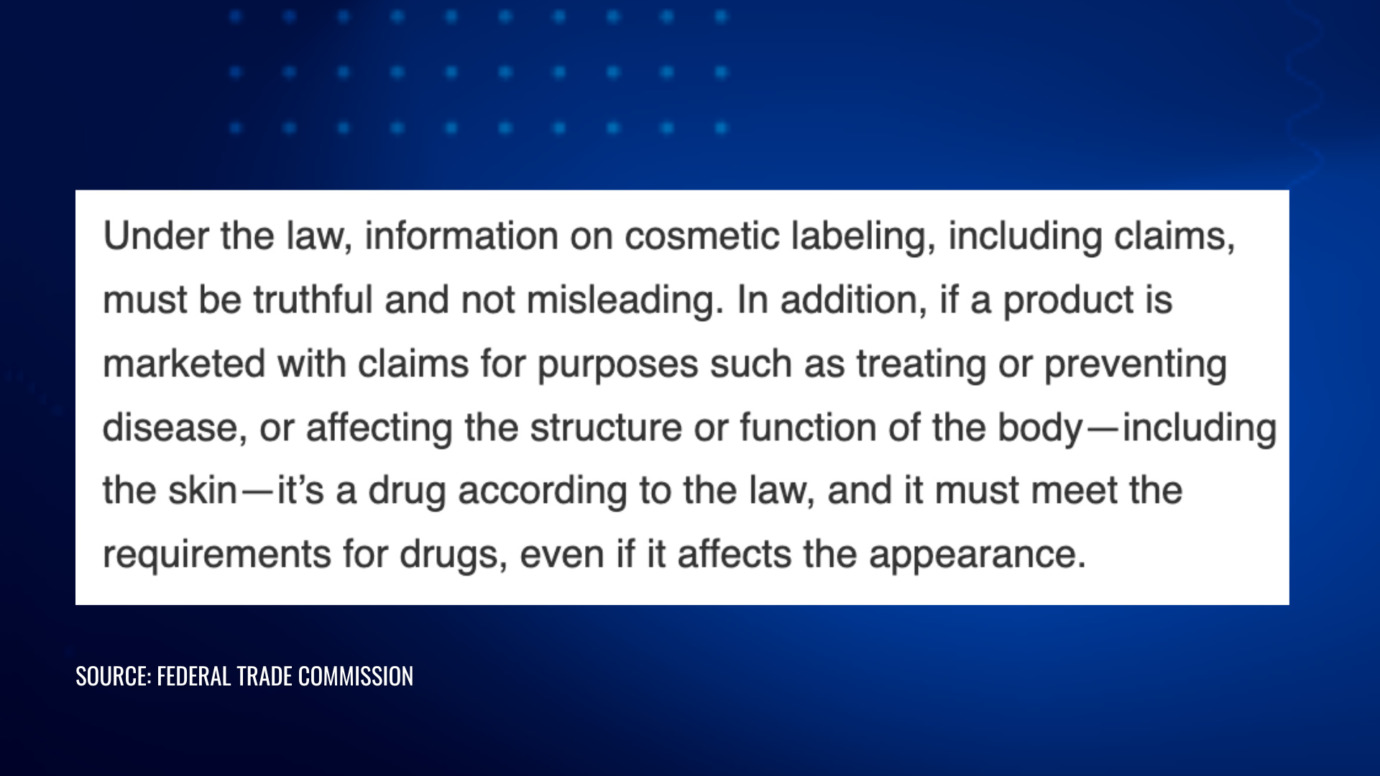
Children’s products sold in the U.S. must comply with testing requirements set by the Consumer Product Safety Commission (CPSC), including rules around lead content, choking hazards, and flammability. Electronics typically require safety certifications such as UL or FCC compliance. Cosmetics and dietary supplements must meet FDA labeling requirements, and in some cases need additional regulatory documentation.
Amazon actively audits sellers for this documentation. If they request proof of compliance and you cannot provide it, your listing will be removed. In some cases, the issue can escalate to an account-level suspension.
The takeaway is straightforward: confirm your product meets all applicable safety requirements before you launch, not after Amazon asks you to prove it.
Intellectual Property Compliance
Intellectual property violations are one of the leading causes of Amazon seller suspensions, and they frequently catch sellers off guard.
If your product design, branding, packaging, or listing content is too similar to an existing trademark or patent, you can face an infringement complaint, even if the similarity was unintentional. One complaint from a rights holder can take your listing down immediately. Multiple complaints can result in a Section 3 suspension of your entire account.
Before you finalize your branding, logo, or packaging design, conduct a thorough trademark and patent search. This is one of the most cost-effective steps you can take early in your product development process.
If you are a reseller, verify that you have authorization to sell the brand’s products on Amazon. Some brands restrict third-party sellers, and selling without permission can trigger an IP complaint even if your inventory is genuine.
Listing Accuracy and Prohibited Claims
Your product listing must be accurate, truthful, and compliant with Amazon’s content policies. This sounds obvious, but it is an area where many sellers run into trouble without realizing it.
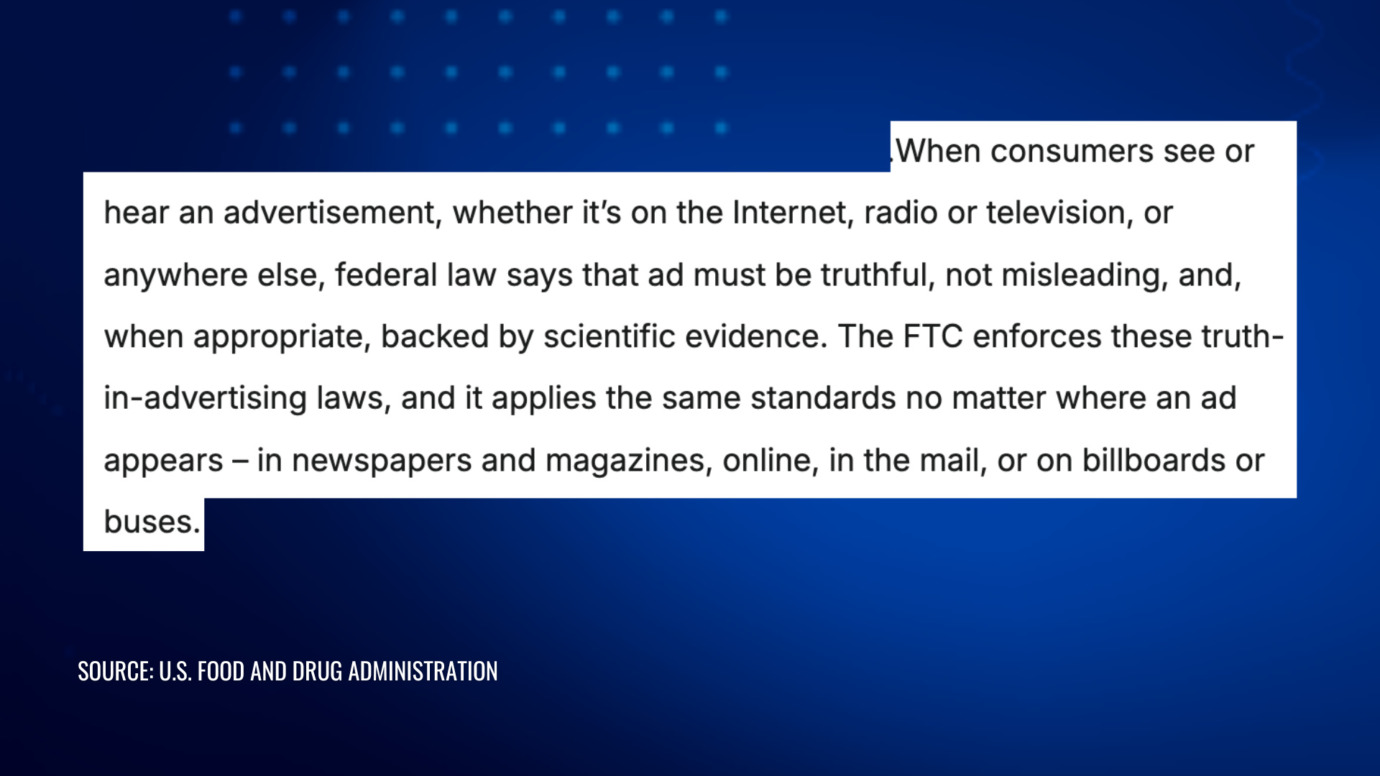
Certain claims are prohibited on Amazon and can result in immediate listing suppression. Stating that a product is “FDA approved” when it has not received that designation, using words like “cures” or “guaranteed results,” or making medical claims for non-medical products can all trigger enforcement action.
Beyond the text, your images, product descriptions, and variation listings need to match exactly what the customer will receive. Discrepancies between what a listing promises and what arrives in the box generate customer complaints, negative reviews, and potential policy violations.
Review every element of your listing carefully before publishing it, and revisit it periodically to make sure it still complies with current policies.
Sourcing Documentation and Product Authenticity
Amazon expects sellers to be able to demonstrate that their products are authentic and sourced through legitimate channels. When Amazon requests documentation, you need to be able to respond quickly and with the right paperwork.
For resellers, this means having proper invoices from authorized suppliers. The invoices must include the supplier’s business information, your business information, the product details, and dates that correspond to your inventory. Amazon is very specific about what qualifies as acceptable documentation.
If your supplier cannot provide clear, verifiable documentation, that is a risk to your account. If the brand you are reselling does not authorize third-party sellers, the risk is even greater.
Selling products that turn out to be unauthorized, even unknowingly, can lead to listing removal and account suspension. Without strong documentation, appealing that decision becomes significantly harder.
Amazon Account Rules and Restrictions
This area of compliance focuses on how you operate your seller account, rather than what you sell.
Amazon permits one seller account per person or business entity per region. The only exception is when Amazon grants written approval for a second account based on a legitimate business need. Sellers who open additional accounts to circumvent a suspension or to separate product lines without permission are consistently detected. Amazon tracks IP addresses, device identifiers, bank account numbers, and other data points to identify connections between accounts. When a link is found, all associated accounts are suspended.
Review manipulation is another high-risk violation. Offering anything of value, whether discounts, free products, gift cards, or cash, in exchange for a review violates Amazon’s policies. Amazon’s detection systems for review manipulation have become increasingly sophisticated, and even first-time violations can result in permanent deactivation.
Finally, do not use content that belongs to other sellers or brands without permission. Copying product photos, descriptions, or brand logos creates both intellectual property liability and policy violations.
The Most Common Amazon Compliance Mistakes
Understanding the rules is important, but knowing where sellers consistently go wrong is equally valuable.
- Skipping compliance checks before launch. The pressure to get products live quickly leads sellers to overlook safety certifications, trademark searches, and listing reviews. The consequences usually surface weeks or months later, often at the worst possible time.
- Assuming a product is safe to sell because another seller already lists it. That assumption is wrong. Another seller’s listing may itself be non-compliant, and their presence on the platform will not protect you from a complaint.
- Treating compliance as a one-time task. Amazon’s policies change regularly. A listing that was fully compliant last year may violate a new policy today. According to recent reporting on Amazon’s 2026 policy updates, the platform continues to introduce new requirements across multiple categories, making ongoing compliance monitoring essential.
- Not having documentation ready when Amazon requests it. When Amazon sends a compliance request, the response window is short. Sellers who cannot produce the right paperwork quickly almost always face worse outcomes than those who respond promptly with organized records.
How to Stay Compliant on Amazon
Most compliance problems are preventable with a consistent, proactive approach. You do not need a full-time legal team. You need a reliable process.
Before every product launch:
- Confirm that your product meets the safety and certification requirements for its category.
- Conduct a trademark and patent search before finalizing your branding.
- Verify that your supplier is authorized and can provide proper invoices and documentation.
- Review your listing thoroughly, including every claim, image, and variation, before it goes live.
Once you are actively selling:
- Check your Account Health dashboard in Seller Central at least once a week.
- If you receive a warning or notice from Amazon, address it immediately. Waiting and hoping the issue resolves on its own almost never works and frequently makes things worse.
- Maintain organized records of everything relevant to your compliance posture: supplier agreements, safety certifications, trademark registrations, authorization letters, and invoices.
When Amazon asks for documentation, your ability to respond quickly and completely is often the difference between a resolved issue and a suspended account.
Protect Your Amazon Business Before Problems Start
Amazon is one of the most powerful platforms for building an e-commerce business. But it operates under strict rules, and enforcement is only getting tighter.
The sellers who succeed in the long term are the ones who take compliance seriously from the beginning, not the ones who scramble to fix problems after enforcement has already begun. Know your product requirements. Protect your intellectual property. Keep your listings accurate. Verify your supply chain. Follow the account rules.
That said, Amazon compliance involves a significant amount of detail that varies by product category, marketplace, and policy area. It is easy to miss something, even with the best intentions.
If you have questions about your compliance obligations or if you are already dealing with a suspension or policy warning, we can help you evaluate your situation and determine the right path forward. Contact Cabilly & Co. to speak with our team.
PROTECT YOUR BRAND. GROW YOUR BUSINESS.
Rated 4.9 by 80+ clients on Google Reviews

Top 20
Trademark lawyer in the US*
Top 3
Service providers for Amazon sellers*
96%
Success rate for TM registrations
8000+
Clients Worldwide
Legal Disclaimer: The articles published on our platform are for informational purposes only and do not constitute legal advice in any form. They are not intended to be a substitute for professional legal counsel. For any legal matters, it is essential to consult with us or a qualified attorney who can provide advice tailored to your specific situation. Reliance on any information provided in these articles is solely at your own risk.
Read the latest from Cabilly & Co.
 Oct 12, 2026
Amazon Brand Registry – Discover for Free if You’re Eligible
Increase Your Chance of Getting a
Trademark to 96%


STAY UPDATED
Subscribe to Our Newsletter
Sign up to receive valuable information on E-Commerce and intellectual property
Have a legal question?