Book a FREE 15-minute consultation with an expert – Book Now

How to Report a Fake Instagram Account and Get It Removed
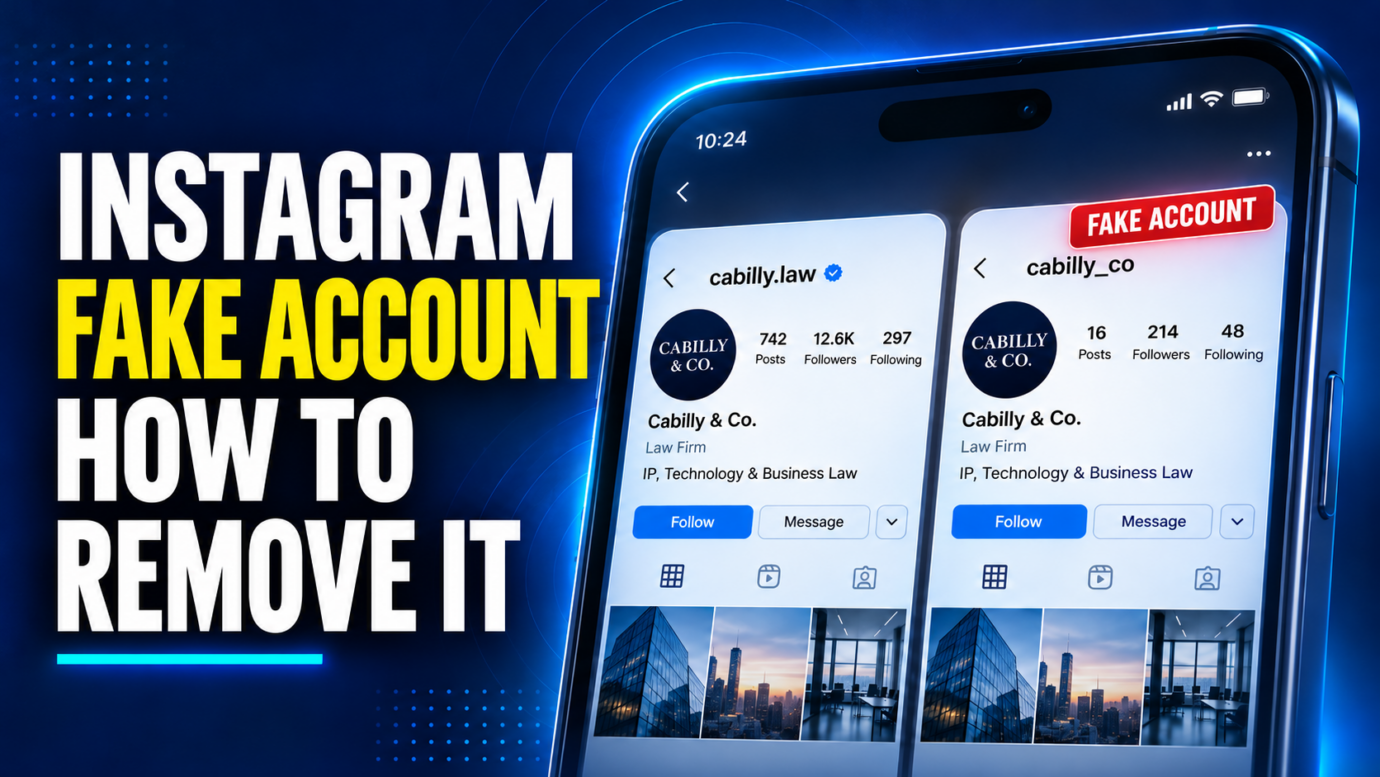
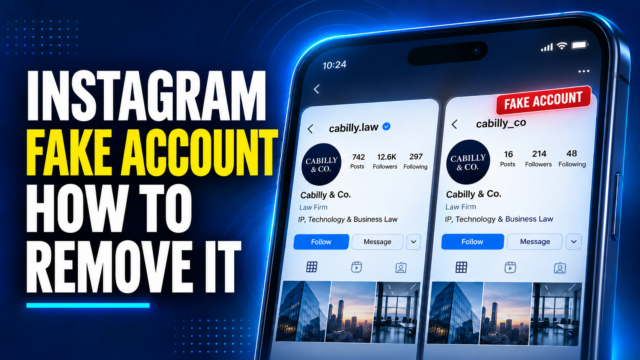
Someone is using your name, your logo, your photos, or your content to run an Instagram account that isn’t yours. Maybe they’re messaging your customers or followers, offering fake discounts, or promoting a scam under your name, quietly damaging the trust you’ve spent years building. Whatever the motive, the fix starts with the same question: how do you actually get Instagram to remove it?
In our work helping business owners and content creators protect their names and brands online, we’ve walked clients through this process more times than we can count, from spotting the first warning signs to escalating a report that Instagram initially ignored. This guide covers what counts as impersonation, how to file a report with the strongest chance of success, what to do if the first report doesn’t work, and when the situation calls for a lawyer instead of another form submission.
What Counts as Instagram Impersonation?
Instagram’s Community Guidelines prohibit accounts that pretend to be another person, business, or brand. That typically includes an account that uses your name, your logo, your photos or content, or a handle that closely mimics yours, in a way that makes followers believe they’re interacting with the real you.
It’s worth separating two situations people often confuse:
- Impersonation, where an account presents itself as you, your brand, or your business specifically.
- Trademark infringement, where an account uses your brand name or logo without permission but isn’t necessarily pretending to be you (for example, a reseller account or a parody).
Both can justify a report, but each goes through a different channel on Instagram. Knowing which one you’re dealing with helps you pick the right form, since filing under the wrong category can lead Instagram to reject your report.
How Do You Know If an Account Is Impersonating You or Your Brand?
A few signals tend to show up together on impersonation accounts:
- The account copies your profile photo, bio, or highlights directly from your real account.
- The handle is a near match to yours, often with an extra underscore, a number, or a slight misspelling.
- The account sends direct messages to your followers or customers, sometimes offering fake discount codes or “official” giveaways.
- The account is new and has little to no organic engagement history.
- Customers or followers have reached out to ask if the account is really you.
This last point matters a lot. A fake Instagram account posing as your brand can scam your customers or followers, who often don’t distinguish between “fake Instagram” and “the real you.” That fallout can show up as negative reviews, chargebacks, canceled sponsorships, or complaints that damage your reputation, even though the platform itself had nothing to do with it.
Business owners should watch for customer complaints that trace back to an impersonator rather than the real company, and content creators should watch for followers asking whether a sponsorship offer or discount code you never sent actually came from you.
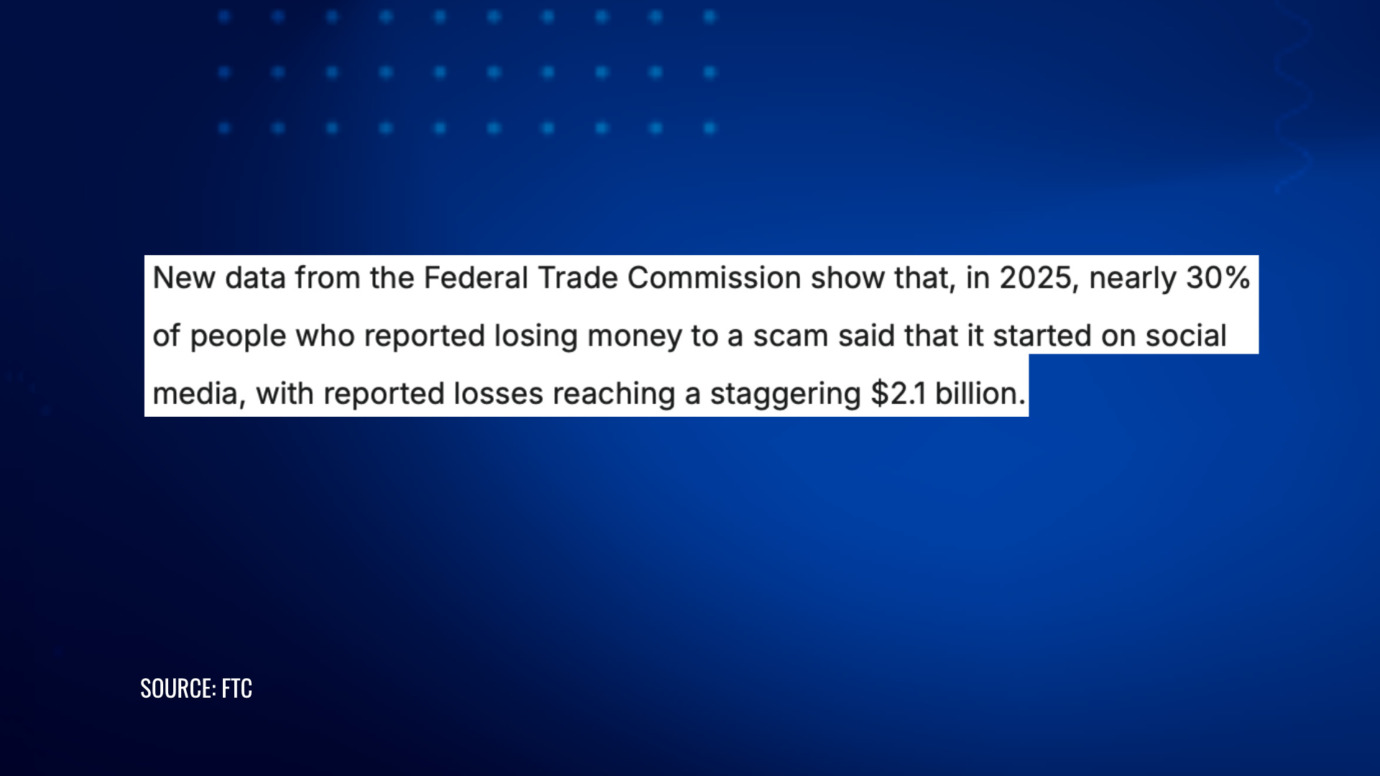
The financial stakes behind this go well beyond any single fake account. Social media scams overall, not limited to impersonation, already cost people billions of dollars a year:
How Do You Report an Impersonation Account on Instagram?
Instagram maintains a dedicated form for reporting an impersonation account, and it generally works better than a general abuse report, since Instagram built it specifically for this issue. To file it, you’ll need to provide:
- Your full name and email address.
- Whether you’re reporting on your own behalf or as an authorized representative of the person or brand being impersonated.
- The full name of the person or brand being impersonated, along with their real Instagram or Threads username if they have one.
- The full name and username of the account you’re reporting.
- A photo of a government-issued ID, which Instagram uses to confirm you are who you say you are before acting on the report.
Instagram deletes uploaded IDs within 30 days and uses them only for verification. One important limitation: Instagram states it can only act on a report that the impersonated person, or their authorized representative, files, and its own examples of an authorized representative are personal ones, like a parent or legal guardian.
For a business, that likely extends to legal counsel or another formally authorized representative, but treat this as a reasonable interpretation rather than an explicit Instagram policy. If a marketing team member files the report on the business’s behalf, note their role and authorization clearly, or route the filing through counsel if the internal report doesn’t move.
You can also access a general in-app reporting option directly from a suspicious account’s profile, which can work as a faster first step. Even so, submit the dedicated form above as well, since Instagram designed that channel specifically for impersonation and it asks for the verification details that give a report more weight.
What Evidence Should You Include in an Instagram Impersonation Report?
Strong supporting evidence gives your report more credibility than a bare-bones submission. Before you file, put together:
- Screenshots of the fake account’s profile, posts, stories, and bio.
- Screenshots of any direct messages the fake account sent to customers or followers, especially if they involve scams, fake discounts, or requests for payment.
- A link to your verified or established account for comparison.
- Proof of your legal right to the brand name, such as a trademark registration certificate, if you have one.
- Any customer complaints or reports you’ve received that reference the fake account.
If you’ve registered your brand with the United States Patent and Trademark Office, include the registration number. It doesn’t guarantee faster action, but it gives Instagram’s review team a concrete, checkable basis for the claim beyond your word against the impersonator’s.
How Long Does Instagram Take to Remove a Fake Account?
Instagram doesn’t publish a guaranteed timeline for reviewing impersonation reports, so treat any source that claims otherwise with caution. In practice, Instagram often reviews straightforward cases with clear evidence within days, while reports that lack information, need extra ID verification, or arrive during high-report-volume periods can take longer.
If your report sits for more than a week or two with no response, treat that as a reasonable point to consider next steps rather than wait indefinitely.
What If Instagram Doesn’t Remove the Fake Account?
A first report doesn’t always succeed, especially if the evidence was thin or the account has been active for a while without obvious red flags. If that happens:
- Resubmit with stronger evidence. Add screenshots of scam messages, customer complaints, or anything showing the account is actively causing harm, not just existing.
- Check for a Meta Business Support option. If you subscribe to Meta Verified or run an active Meta Business Suite account, check whether it unlocks additional support channels beyond the public help form.
- Document everything. Keep dated screenshots and records of every report you file. If the matter eventually needs legal action, this record becomes important evidence.
- Consider a formal notice from counsel. A cease-and-desist letter, or a report a law firm files on your behalf, can carry more weight than one you file alone, particularly when you hold a registered trademark and the impersonation is causing measurable harm.
Why Do Business Owners and Content Creators Attract Impersonation?
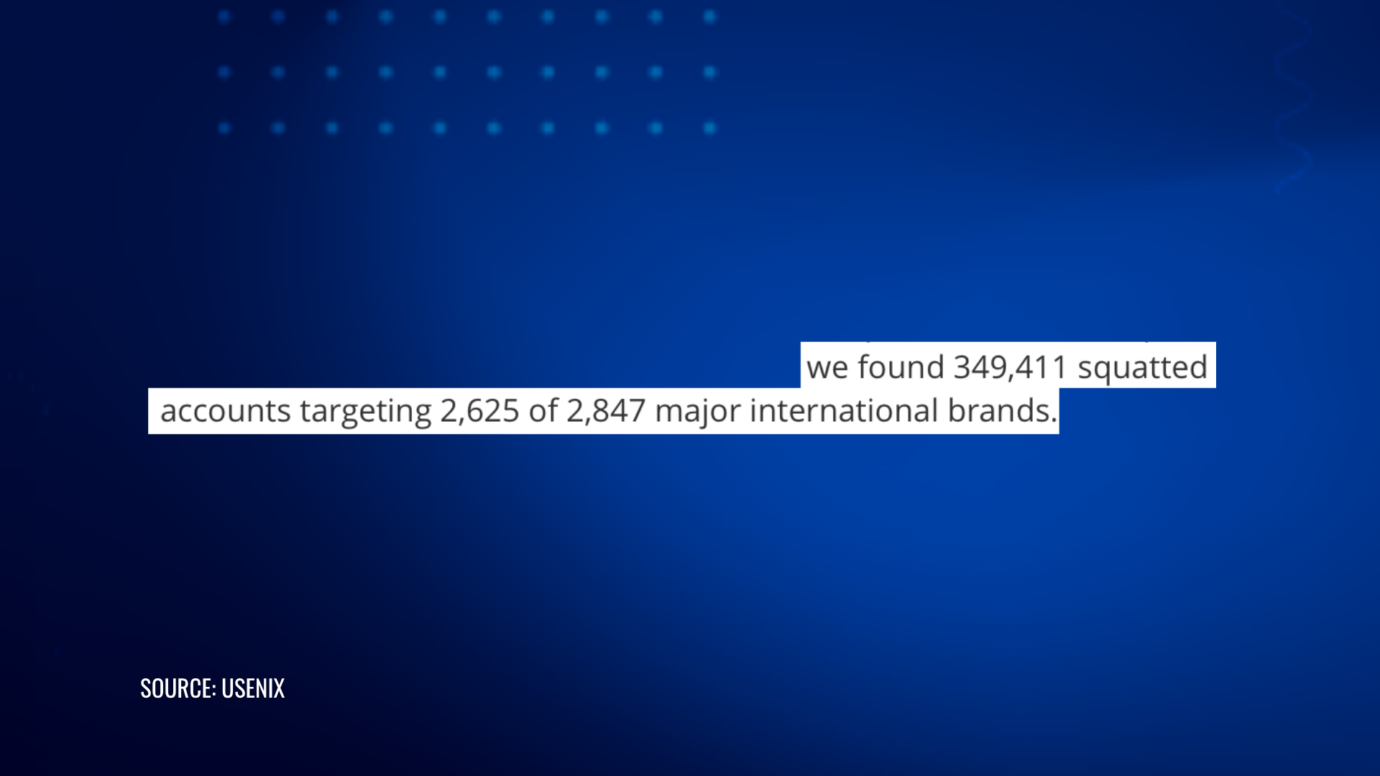
Fake Instagram accounts that impersonate businesses and creators usually exist for one of a few reasons: running phishing scams against your customers or followers, promoting counterfeit versions of your products, damaging a competitor’s reputation, or simply riding on the credibility you’ve built to sell something unrelated.
For business owners, brand impersonation on social media rarely stays contained to Instagram. A convincing fake account can drive traffic to a fake storefront or counterfeit products, mislead customers into thinking a scam is an official promotion, or generate the kind of customer confusion that eventually surfaces in negative reviews and customer support complaints.
Content creators face a related version of the same problem. A fake account using your name, photos, or content can approach your audience with fake sponsorship offers, phishing links, or a counterfeit merch store, and every follower who falls for it associates the scam with you.
Treating Instagram impersonation as a brand protection issue, not just a social media annoyance, leads to a faster, more complete resolution.
How Does a Registered Trademark Strengthen Your Impersonation Report?
A registered trademark doesn’t just help your case with Instagram. It gives platforms, marketplaces, and courts a clear, documented basis to act on, whether you’re a business owner protecting a product line or a content creator protecting your name and likeness. If you haven’t registered your brand yet, treat trademark registration as a foundational step in brand protection generally, not just a response to one impersonation incident. A registered mark gives you a clear, documented legal basis the next time an impersonation account, a counterfeit product, or a copycat competitor shows up.
When Should You Involve a Lawyer for Instagram Impersonation?
Not every fake account needs legal involvement. A quick, low-stakes impersonation attempt with no engagement often resolves on its own once you report it through the standard process. Bring in counsel when:
- The fake account is actively scamming your customers or followers, particularly if money has changed hands.
- Instagram has failed to act after multiple reports with solid evidence.
- The impersonation involves counterfeit sales or affects your products, sponsorships, or reputation.
- You need a cease-and-desist letter or a formal legal notice to apply additional pressure.
- You’re weighing whether the situation warrants broader legal action and want an assessment of your options before deciding.
If Instagram also restricts or suspends your own account while you’re dealing with an impersonator, our Instagram account and content reinstatement support covers that separate but related process.
How Can You Protect Your Brand Before the Next Fake Account Appears?
An Instagram impersonation report is often just the first step. The accounts that cause the most damage, especially for growing businesses and creators building an audience, tend to reappear in a different form once you remove the first one.
If a fake account is impersonating your business or your personal brand on Instagram and putting your customers, followers, or reputation at risk, our team can help you report it, escalate it, and build the trademark and brand protection foundation that makes the next attempt easier to shut down.
PROTECT YOUR BRAND. GROW YOUR BUSINESS.
Rated 4.9 by 80+ clients on Google Reviews

Top 20
Trademark lawyer in the US*
Top 3
Service providers for Amazon sellers*
96%
Success rate for TM registrations
8000+
Clients Worldwide
Legal Disclaimer: The articles published on our platform are for informational purposes only and do not constitute legal advice in any form. They are not intended to be a substitute for professional legal counsel. For any legal matters, it is essential to consult with us or a qualified attorney who can provide advice tailored to your specific situation. Reliance on any information provided in these articles is solely at your own risk.
Frequently Asked Questions
Can I report an Instagram account for impersonating my business or me personally?
Yes. Instagram accepts impersonation reports from the person being impersonated or their authorized representative through a dedicated impersonation report form, separate from Instagram’s general abuse reporting tools. The form asks for your name, contact details, and a photo ID to confirm your identity before Instagram reviews the account.
How long does Instagram take to remove a fake account after you report it?
Instagram doesn’t publish a guaranteed review timeline for impersonation reports. In practice, Instagram often reviews straightforward cases with clear evidence within days, while cases that lack information or arrive during high report volume periods can take longer.
Do you need a registered trademark to report impersonation on Instagram?
No. Instagram doesn’t require a registered trademark to accept or act on an impersonation report. A registered trademark strengthens the report by giving Instagram’s review team a documented, checkable basis for the claim, and it also strengthens your enforcement options on other platforms and marketplaces where your brand appears.
Is impersonating a person or business on Instagram illegal?
Impersonation on its own isn’t automatically illegal everywhere, since laws vary by state and country and depend on intent. It typically crosses into illegal territory when someone uses a fake account to defraud people, harass someone, or infringe a registered trademark, and it always violates Instagram’s Community Guidelines regardless of whether it breaks a specific law.
What's the difference between reporting impersonation and reporting trademark infringement on Instagram?
An impersonation report targets an account that presents itself as a specific person or brand, while a trademark infringement report targets unauthorized use of your brand name or logo, even by an account that doesn’t claim to be you, such as a reseller or parody account. Instagram routes these through different channels, so filing under the correct one improves the odds Instagram acts on your report.
Can someone else file an Instagram impersonation report on your behalf?
Yes, but only as your formally authorized representative. Instagram states it can only act on reports from the impersonated person or their authorized representative, and its own examples of an authorized representative are personal ones, like a parent or legal guardian. For a business, that authorization likely extends to legal counsel or another formally designated representative, though this is a reasonable interpretation rather than something Instagram states explicitly for businesses.
Read the latest from Cabilly & Co.
 Nov 9, 2026
Amazon Brand Registry – Discover for Free if You’re Eligible
Increase Your Chance of Getting a
Trademark to 96%


STAY UPDATED
Subscribe to Our Newsletter
Sign up to receive valuable information on E-Commerce and intellectual property
Have a legal question?