Book a FREE 15-minute consultation with an expert – Book Now

How to Send a Cease and Desist Letter on Instagram: A Creator's and Brand's Guide
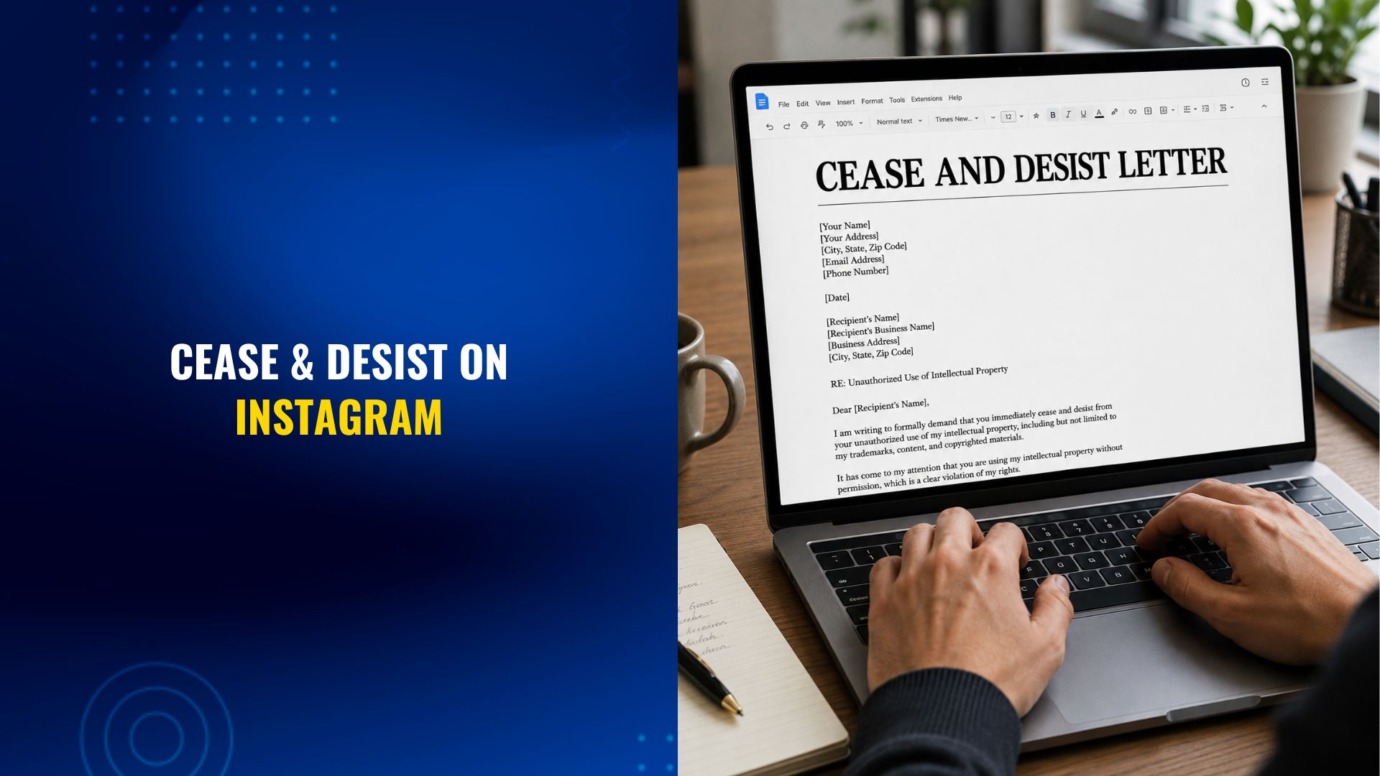
You built the content. You wrote the caption, shot the reel, designed the logo, or developed the format. Then you scrolled past an account that lifted your work and passed it off as their own.
For creators and brands, this is one of the most common flashpoints on Instagram. A cease and desist letter is often the first formal step toward stopping it.
This guide explains how a creator or company can send a cease and desist letter to another Instagram user who has copied their content, infringed their brand, or otherwise crossed a legal line. We handle these matters regularly for creators and brands, and we have seen how the right letter, sent the right way, can resolve a dispute before it ever reaches a courtroom.
Below, we cover when a cease and desist is appropriate, what to include, how to send it, and the mistakes that can weaken your position.
What Is a Cease and Desist Letter?
A cease and desist letter is a formal written demand asking someone to stop a specific activity and refrain from repeating it.
It is not a lawsuit. It is not a court order. It carries no automatic legal force on its own.
What it does is create a clear, documented record that you identified the conduct, asserted your rights, and demanded that it stop. That record matters if the dispute later escalates.
In the Instagram context, a cease and desist typically addresses conduct such as:
- Reposting your photos, videos, or reels without permission
- Copying your written content, captions, or a distinctive content format
- Using your trademarked name, handle, or logo
- Impersonating your account or brand
- Falsely suggesting you endorsed or partnered with them
The letter puts the other party on notice. In many cases, that notice alone is enough to end the behavior, because most people do not want to risk a formal legal fight.
When Should a Creator or Brand Send One?
Not every annoyance justifies a cease and desist. Sending one over conduct that is not actually unlawful can backfire and, in some situations, expose you to claims of your own.
A cease and desist is generally appropriate when you have a genuine legal basis. Common grounds include the following.
Copyright Infringement
If someone copies your original creative work, such as your photos, videos, reels, or written posts, you may have a copyright claim. Under U.S. law, copyright protection attaches automatically the moment an original work is fixed in a tangible form, so you do not need a registration simply to own the copyright.
That said, registration strengthens your position, and in the United States it is generally required before you can file a copyright infringement lawsuit. If enforcement is a serious concern, it is worth understanding how copyright registration and consulting can support your ability to enforce your rights.
Trademark Infringement
If another account uses your brand name, logo, or a confusingly similar mark in a way that could mislead followers about who they are dealing with, that may be trademark infringement. This is especially relevant when the other party is a competitor or is trying to trade on your reputation.
Impersonation and False Endorsement
Accounts that copy your identity, or that imply you endorsed a product or person when you did not, can create liability under various legal theories. These claims can be fact-specific and often depend on the jurisdiction, so the strength of a given case can vary.
When Platform Reporting Is Not Enough
Instagram offers built-in reporting tools, and for many creators those tools resolve the issue. In fact, the platform itself notes that before submitting a formal report, you may want to first contact the person who posted the content, since the matter can sometimes be resolved directly.
A cease and desist letter fits naturally into that middle ground: it is more formal than an Instagram report, but less drastic than litigation.
Cease and Desist vs. Instagram’s Reporting Tools
It helps to understand how a cease and desist differs from the platform’s own process, because they serve different purposes and are often used together.
Reporting Through Instagram
Instagram provides a copyright reporting form and a designated agent process for rights owners. When a valid report is submitted, the platform can remove the infringing content directly. According to the Instagram Help Center, only the copyright owner or an authorized representative may file such a report, and the process is generally not anonymous — the account holder can often learn who filed it.
Platform reporting is free and often quicker than a legal letter, though Instagram does not publish a guaranteed review timeframe, and it targets the content itself rather than the person behind it.
Sending a Cease and Desist
A cease and desist, by contrast, is directed at the person, not the platform. It can demand broader relief than a takedown, such as a promise never to repeat the conduct, removal of content across multiple accounts or platforms, or in some cases compensation.
Many creators and brands use both tools together: reporting the specific posts to Instagram to get them removed quickly, while sending a cease and desist to address the wider pattern of behavior.
What to Include in an Instagram Cease and Desist Letter
A strong cease and desist letter is specific, measured, and professional. Overblown threats and vague accusations tend to weaken a letter rather than strengthen it.
While every situation differs and no template substitutes for tailored legal advice, an effective letter generally addresses the following elements.
1. Identify the Parties
State clearly who you are, including your brand or legal entity where relevant, and identify the recipient by their Instagram handle and any known name.
2. Describe Your Rights
Explain what you own and why. For example, note that you are the author of the original photographs, the owner of a registered trademark, or the creator of the content in question. Be concrete.
3. Describe the Infringing Conduct
Point to the specific posts, reels, or account behavior at issue. Include direct links to the offending content, dates, and side-by-side references where possible. Specificity makes the claim credible and hard to dismiss.
4. State Your Demands
Set out exactly what you want the recipient to do. Common demands include:
- Immediately removing the infringing content
- Refraining from using your work, mark, or identity going forward
- Providing written confirmation that they have complied
- In some cases, an accounting of any profits or a demand for compensation
5. Set a Deadline
Give a clear, reasonable timeframe for compliance, such as a specified number of business days.
6. Reserve Your Rights
Include language noting that the letter is not a complete statement of your rights and that you reserve all legal remedies. This is standard and preserves your options.
7. Keep the Tone Measured
A letter that reads as calm and factual is more persuasive, and safer, than one that reads as a personal attack. Aggressive or inaccurate letters can occasionally give the other side ammunition, so restraint serves your interests.
How to Send the Letter
Once the letter is drafted, delivery matters. You want a record that the recipient actually received it.
Options include:
- Email, if you have a verified address for the recipient
- Instagram direct message, which can work but provides weaker proof of delivery and may be missed or deleted
- Postal mail or courier, ideally with tracking or delivery confirmation, when you have a physical address
- Delivery through an attorney, which often carries more weight and creates a cleaner record
Many creators do not have a mailing address for the other party, only a handle. In those situations, a letter sent by an attorney, combined with a platform report, is often the most practical path.
Keep copies of everything, including the letter, proof of sending, and any response.
Risks and Mistakes to Avoid
A cease and desist is a legal instrument, and using it carelessly can create problems. A few points are worth keeping in mind.
Do Not Overstate Your Claim
Asserting rights you do not actually hold, or demanding relief the law does not support, can undermine your credibility and, in some cases, expose you to counterclaims. This is one reason a careful legal review is valuable before sending.
Be Careful With “Fair Use” Situations
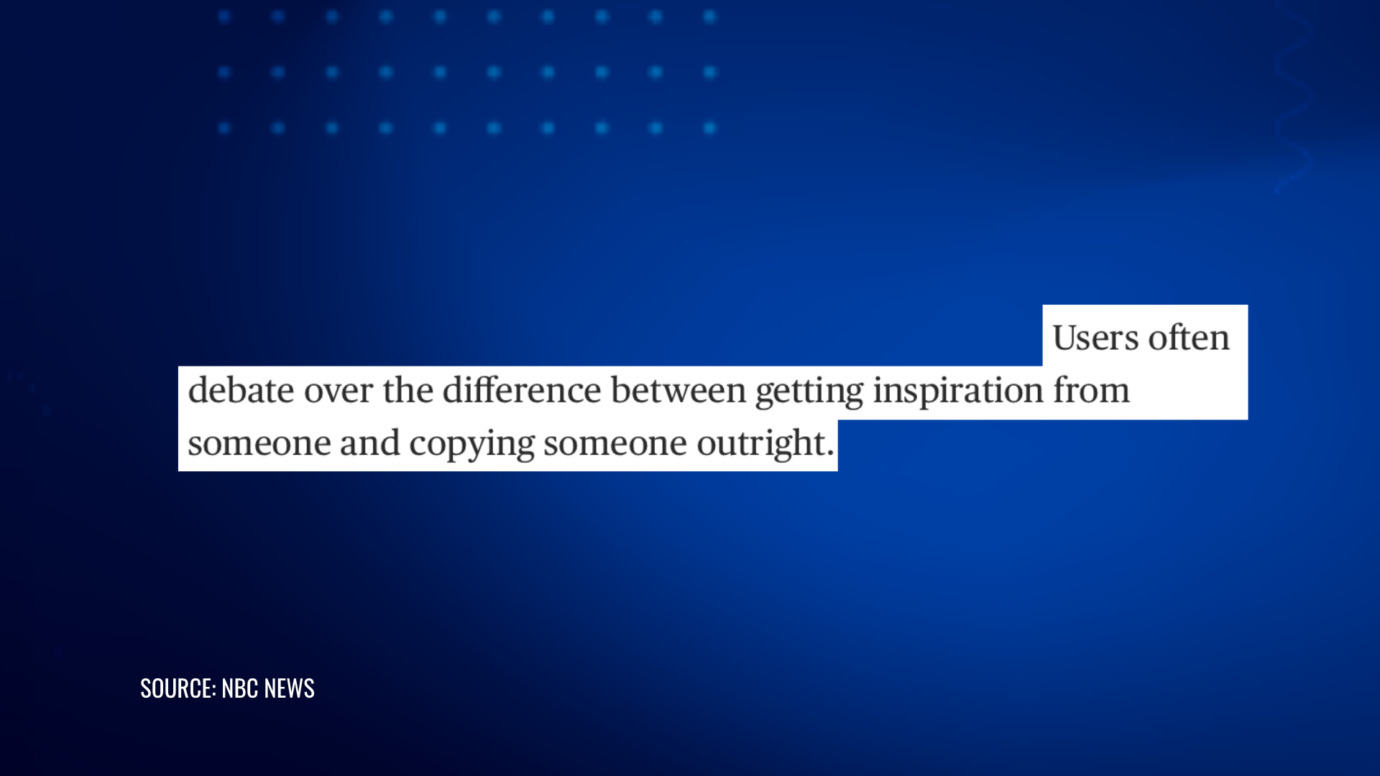
Not every reuse of your content is infringement. In the United States, the doctrine of fair use may permit certain commentary, criticism, or transformative uses, and how it applies is highly fact-dependent and often unsettled. If the other party has a plausible fair use argument, an aggressive letter may not land the way you expect.
Consider the Public Relations Angle
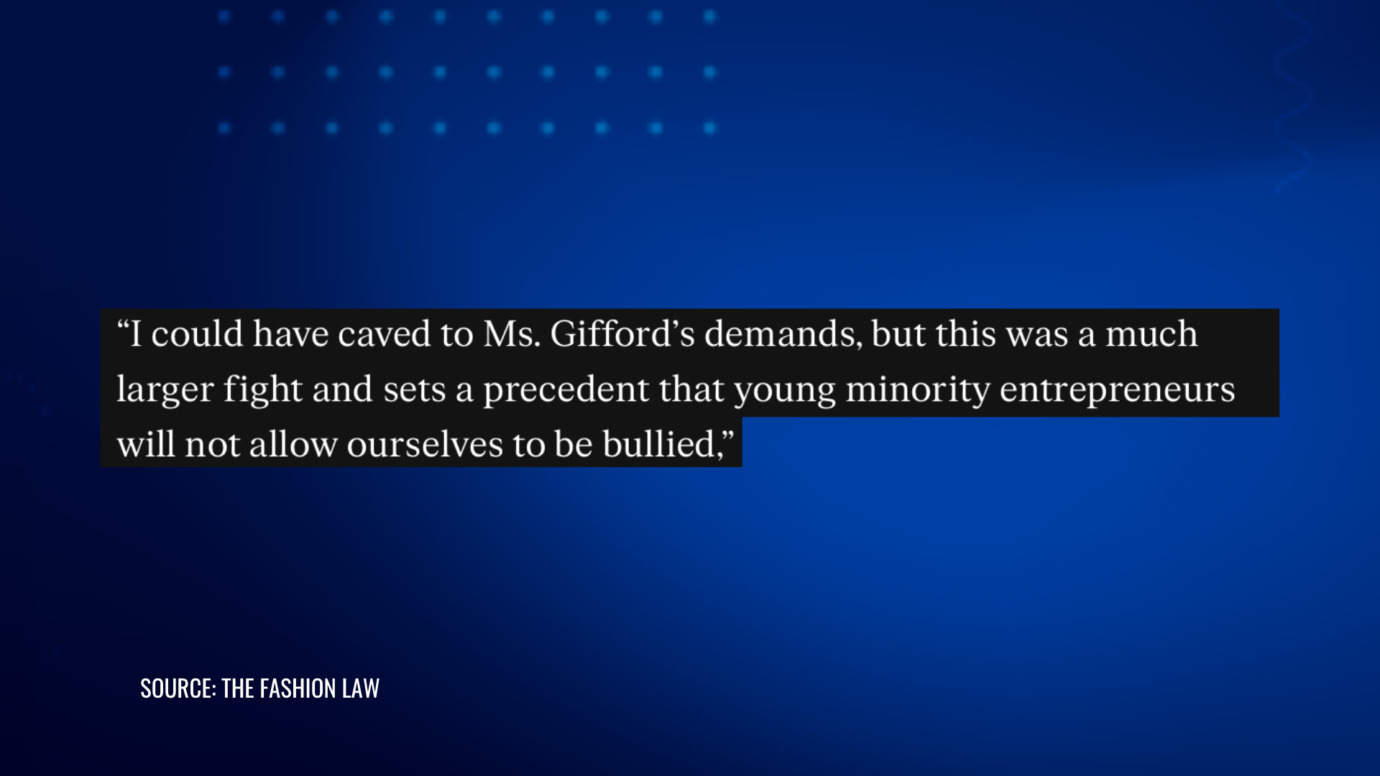
Creators operate in public. A heavy-handed letter can be screenshotted and shared, sometimes turning a legitimate grievance into a public relations problem. A measured, professional approach reduces that risk. After one closely watched influencer copyright case was voluntarily dismissed, the defendant made that dynamic public herself:
Know When to Escalate
If the recipient ignores the letter or refuses to comply, the next steps may involve formal platform enforcement, a DMCA takedown, or litigation. Understanding your enforcement options in advance helps you decide how firmly to press. Broader IP enforcement strategies come into play when a single letter is not enough to resolve the matter.
Do You Need a Lawyer to Send One?
You can send a cease and desist letter yourself. Many people do.
However, there are good reasons creators and brands often involve counsel:
- A lawyer’s letter tends to be taken more seriously and prompts faster compliance
- An attorney can assess whether you actually have a viable claim before you send anything
- Proper drafting reduces the risk of overreaching or exposing yourself to counterclaims
- If the matter escalates, having counsel involved from the start creates continuity
For matters involving your brand identity specifically, coordinating a cease and desist with your broader intellectual property (IP) strategy helps ensure that enforcement in one dispute supports, rather than undercuts, your position in future ones.
Protect Your Content and Your Brand
If another creator or company has copied your work, misused your brand, or impersonated you on Instagram, you do not have to navigate the response alone. A well-drafted cease and desist letter, backed by a clear enforcement strategy, can stop the conduct and protect your rights.
We work with creators, brands, and e-commerce businesses on exactly these issues, from the first letter through full enforcement.
Contact us to discuss your situation and decide on the right next step.
PROTECT YOUR BRAND. GROW YOUR BUSINESS.
Rated 4.9 by 80+ clients on Google Reviews

Top 20
Trademark lawyer in the US*
Top 3
Service providers for Amazon sellers*
96%
Success rate for TM registrations
8000+
Clients Worldwide
Legal Disclaimer: The articles published on our platform are for informational purposes only and do not constitute legal advice in any form. They are not intended to be a substitute for professional legal counsel. For any legal matters, it is essential to consult with us or a qualified attorney who can provide advice tailored to your specific situation. Reliance on any information provided in these articles is solely at your own risk.
Frequently Asked Questions
Is a cease and desist letter legally binding?
No. A cease and desist letter is a demand, not a court order. It does not compel compliance on its own. Its power comes from signaling that you are serious and prepared to escalate, and from creating a documented record of your claim.
Can I send a cease and desist over an Instagram DM?
You can, but direct messages provide weak proof of delivery and are easy to miss or delete. A more formal channel, such as email, postal mail with tracking, or delivery through an attorney, generally creates a stronger record.
What is the difference between reporting to Instagram and sending a cease and desist?
Reporting through Instagram targets the specific content and can lead to its removal by the platform. A cease and desist targets the person and can demand broader relief, including a commitment to stop the behavior entirely. Many creators use both together.
How long should I give the recipient to respond?
There is no fixed rule. A reasonable deadline, often a set number of business days, is common. The right timeframe depends on the urgency and the nature of the conduct.
What if the other creator ignores my letter?
If the letter is ignored, your options may include a formal DMCA takedown, escalated platform enforcement, or litigation. The best next step depends on the strength of your claim and your goals, which is where legal guidance becomes especially useful.
Do I need to register my copyright before sending a cease and desist?
No. You own the copyright in your original work automatically. However, in the United States, registration is generally required before you can file a copyright infringement lawsuit, so registering can strengthen your position if enforcement escalates.
Read the latest from Cabilly & Co.
 Oct 5, 2026
Amazon Brand Registry – Discover for Free if You’re Eligible
Increase Your Chance of Getting a
Trademark to 96%


STAY UPDATED
Subscribe to Our Newsletter
Sign up to receive valuable information on E-Commerce and intellectual property
Have a legal question?