
Book a FREE 15-minute consultation with an expert – Book Now

Amazon's 75-Character Title Limit Starts July 27: What Sellers and Brand Owners Need to Know

Amazon is changing one of the most visible parts of every listing: the product title. Starting July 27, 2026, product titles in all categories except media will need to fit within 75 characters, including spaces. To absorb the detail that no longer fits, Amazon is introducing a separate field called Item Highlights, which adds up to 125 characters of searchable text shown alongside the title.
For sellers who have spent years packing keywords and specifications into long titles, this is a meaningful shift. The change is not just cosmetic. Titles that stay over the limit after the deadline will be rewritten by Amazon’s own AI, gradually and without seller action, which means the platform, not you, may decide which words survive.
As a law firm that regularly advises Amazon sellers and brand owners on listing compliance and account risk, we see changes like this raise the same recurring question: who controls your listing, and what happens when an automated system rewrites it on your behalf? This article breaks down what is changing, what is still unclear, and the practical and legal steps worth taking before the deadline.
What Is Actually Changing on July 27, 2026
The core of the update is short to state.
- Title cap: Product titles in every category except media must be 75 characters or fewer, including spaces.
- New field: A separate Item Highlights field provides up to 125 characters for materials, recommended use cases, and comparison details.
- Searchability: According to Amazon, Item Highlights content is searchable and appears alongside titles in both search results and on product detail pages.
- Combined real estate: The two fields together total roughly 200 characters of indexable text, reorganized rather than reduced.
In other words, the same information you previously crowded into one long title is meant to be split across two fields with different jobs: a short identity line and a separate highlights section.
The Media Exception
Amazon’s announcement names media as the single carve-out, which is generally understood to cover books, music, and video. The announcement is precise about the 75-character number but quieter about how the new limit interacts with older, category-specific caps that some sellers operated under before. Sellers raised this in the forum thread, and based on publicly available information, Amazon had not fully clarified those edge cases at the time of writing. Until Amazon says otherwise, treating 75 characters as the operative limit is the cautious approach.
What Happens If You Do Nothing
This is the part most worth understanding.
After July 27, listings with titles still over 75 characters will be updated to Amazon’s AI-generated recommendation on a gradual, automated schedule. Your listings are expected to stay active during this process, and Amazon has said you can change titles and Item Highlights at any time.
Brand owners get an additional layer. When Amazon makes changes to a brand-registered listing, brand owners are described as having a 14-day window to review, modify, and approve the AI-generated recommendations before they take effect, through the Review Listing Changes section of Seller Central.
The practical risk is straightforward. If you let the automated rewrite run, an algorithm decides which keywords stay in your title and which move or disappear. The seller who edits first keeps control of the keyword equity. Everyone else learns, listing by listing, what Amazon’s system concluded their product was about.
We Tried This Ourselves, and It Was Painful to Watch
To get a feel for what this change actually demands, our team ran a small, informal test. We pulled a handful of random live listings from Amazon, the kind of long, keyword-dense titles sellers have spent years building, and tried to bring each one down to 75 characters by hand.
It was harder than expected, and frankly uncomfortable to watch. Titles that started well over 150 or 200 characters had to lose more than half their length. Every cut meant deciding which keyword, which specification, or which qualifying word was expendable, and there was rarely an obvious answer. Material details, size variants, use cases, and search terms that sellers clearly fought to include all suddenly competed for a much smaller space.
The exercise made one thing clear. This is not a quick formatting tweak you can knock out in a few minutes per listing. For a single product it is a real editorial decision, and for a large catalog it is a meaningful project. That gap between how simple the change sounds and how much judgment it actually requires is exactly why we think it is worth doing deliberately, on your own terms, rather than leaving it to an automated rewrite.
Early Problems Sellers Are Reporting
The rollout has not been entirely smooth. Based on reports in Amazon’s own seller forums, some sellers encountered errors when trying to use the new Item Highlights field, including messages indicating the attribute was unsupported even after titles were shortened.
Other sellers reported a more circular issue: an AI-generated highlight was flagged by Amazon’s own content moderation as containing promotional claims or external links, meaning the platform’s tool produced content that the platform then objected to.
These early-stage glitches are worth noting because they reinforce a simple point. Relying entirely on automated suggestions can create new compliance exposure, even when you are trying to follow the rules.
The Compliance Angle Sellers Tend to Overlook
Most sellers will treat this as a formatting task: shorten the title, move the extra words, move on. That framing misses the operational and legal risk.
Your title and Item Highlights are signals of what your product is. Amazon’s enforcement systems generally act on those visible signals, not on who typed them. If an AI rewrite introduces a claim your product cannot substantiate, alters how a regulated product is described, or strips out qualifying language, the listing is still yours, and the consequences, from listing suppression to account health impacts, still land on your account.
There is a further wrinkle worth flagging. An automated rewrite does not only cut words, it can also add them. AI tools designed to make a title clearer or more searchable may introduce terms that were never in your original listing. That creates two specific exposures:
- Introduced trademark terms: A generated word could be someone else’s registered trademark. A title you never wrote could end up using a protected term, which can draw a trademark infringement complaint from Amazon or from the rights holder, even though you did not choose the wording.
- Introduced restricted or prohibited terms: For products in restricted or regulated categories, an added word can carry meaning you did not intend, for example a term associated with a prohibited claim or a controlled product type. That can trigger a policy flag against a listing whose wording you did not author.
A few categories of risk deserve particular attention:
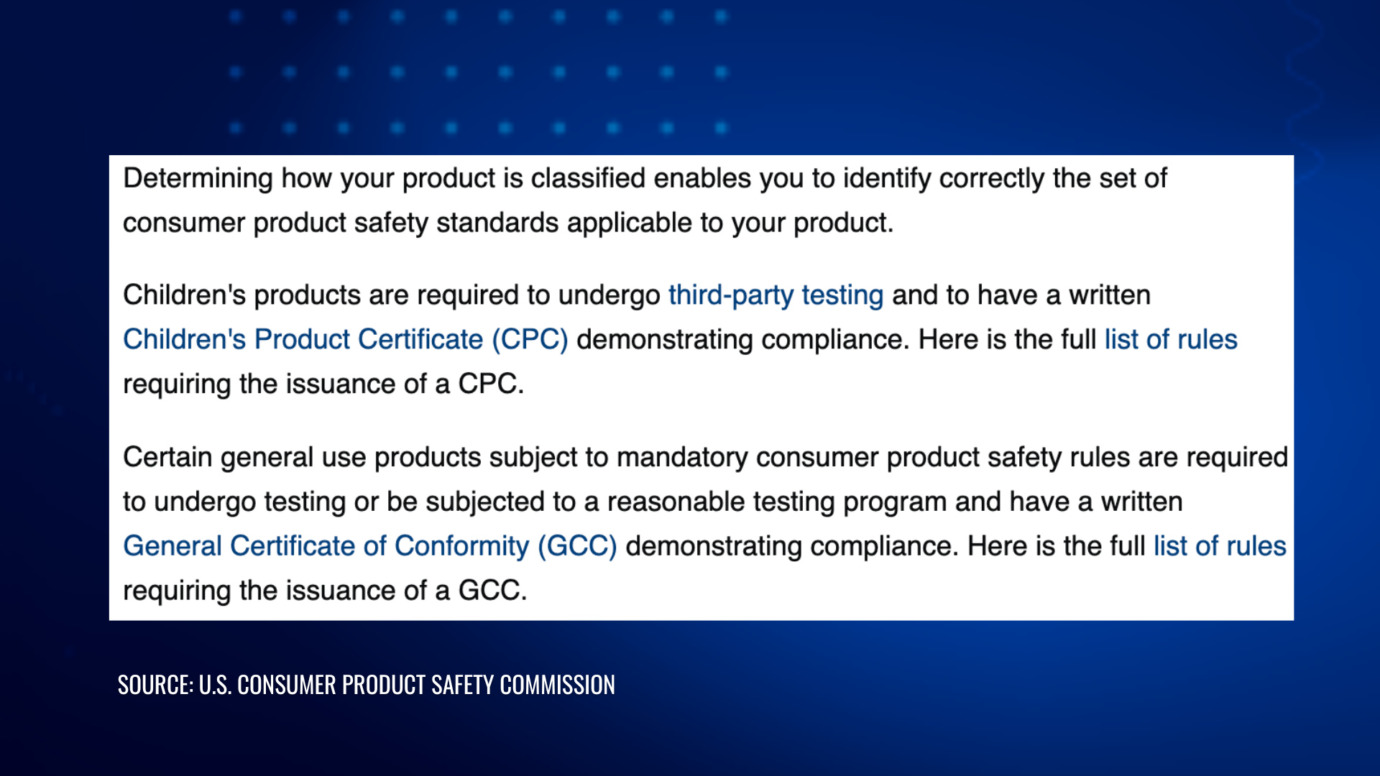
- Regulated products: Items involving health claims, safety representations, or ingredient disclosures can become non-compliant if shortened wording drops required qualifiers, or if added wording introduces a claim the product cannot support. Our Amazon compliance and regulation work frequently involves exactly these labeling and claims issues.
- Trademark and brand terms: A rewrite that moves or removes brand identifiers can blur the line between your listing and a competitor’s, or weaken how your brand presents in search. As noted above, a rewrite that adds a term can also create the opposite problem by pulling in a mark that belongs to someone else.
- Product classification: Title and attribute wording can influence how a product is categorized, and misclassification carries its own enforcement consequences. Our overview of Amazon product classification explains why that matters.
A Specific Risk for Sellers Expanding to Amazon EU
The translation layer adds another dimension that English-only sellers often do not anticipate. Sellers who expand from an English-language store into Amazon’s European marketplaces should be aware that Amazon may automatically translate listings into local languages. That automated translation is not always neutral.
We have seen situations where a translation introduced a foreign-language word that happened to be a registered trademark in that market, entirely unknown to the seller. The seller then faced a trademark infringement report, from Amazon or from the rights owner, over wording they never wrote and could not read.
Combine automatic translation with the new AI title rewrites, and the chance of an unfamiliar, potentially problematic term appearing in a listing rises. For sellers operating or planning to operate across multiple Amazon marketplaces, reviewing translated titles and highlights, not just the English source, is a sensible precaution.
It is worth emphasizing that Amazon operates as a private marketplace governed largely by its Business Solutions Agreement and related policies rather than by a single statute. How automated content changes and machine translation interact with seller rights, advertising law, and intellectual property (IP) is an area that continues to develop, and the law here is not fully settled. Nothing in this article is legal advice for your specific situation.
How to Prepare Before the Deadline
You have a limited window to act on your own terms rather than the algorithm’s. A practical sequence:
1. Audit your catalog for over-limit titles
Identify which listings currently exceed 75 characters. Large catalogs should prioritize high-revenue and brand-registered ASINs first, since those carry the most to lose from an unsupervised rewrite.
2. Decide your own 75/125 split
Keep the essential identity of the product in the title: brand, core product name, and the one or two attributes a shopper needs to recognize it. Move secondary detail, such as materials, dimensions, or use cases, into Item Highlights. For example, a long title listing every feature of an insulated water bottle can be reduced to brand, product type, and a key differentiator, with the cold and hot retention details moved to highlights.
3. Use Amazon’s tools as a starting point, not a final answer
In Seller Central, you can review Amazon’s suggestions through Manage All Inventory by selecting Edit on a listing and choosing View enhancements. Treat these as drafts. Check every AI suggestion against your actual product, your brand standards, and any regulatory requirements before accepting it.
4. Brand owners: monitor the review queue
If you are brand registered, watch the Review Listing Changes area so you can act within the 14-day review window rather than discovering changes after they go live.
5. Review your EU listings separately
If you sell, or plan to sell, in Amazon’s European marketplaces, check the translated versions of your titles and highlights, not just the English source. A term that reads correctly in English can translate into a word that is problematic, or trademarked, in another market.
6. Document your wording choices
Keep a record of the titles and highlights you set, particularly for regulated or claims-sensitive products. If a dispute or compliance question arises later, being able to show the language you chose, and why, is valuable.
When to Bring in Legal Help
Most title edits are routine and do not require a lawyer. Professional guidance becomes worthwhile when the stakes are higher, for example when:
- A rewrite affects a regulated product or a product with safety or health-related claims.
- A title or highlight change touches trademark, brand, or competitor-comparison issues.
- An automated change or translation appears to have introduced a term that triggered an infringement report or policy flag.
- An automated change appears to have contributed to a listing suppression, policy warning, or account health problem.
- You are managing a large branded catalog, or selling across multiple marketplaces, and want a defensible, compliant standard applied consistently.
We regularly work with sellers and brands on listing compliance, enforcement responses, and account protection, and we can help you align titles and Item Highlights in a way that reflects your judgment rather than an algorithm’s.
Key Takeaways
- The 75-character title limit takes effect July 27, 2026, for all categories except media.
- Item Highlights adds up to 125 searchable characters, keeping total indexable text roughly the same but reorganized.
- Titles left over the limit will be rewritten by Amazon’s AI, with brand owners getting a 14-day review window.
- An automated rewrite can add words, not just cut them, which risks pulling in a trademarked or restricted term you never chose.
- Sellers in Amazon EU face an added layer: automatic translation can introduce a foreign-language term that is trademarked in that market, sometimes leading to infringement reports over wording the seller never wrote.
- Early forum reports describe field errors and AI-generated content flagged by Amazon’s own moderation, so suggestions should be reviewed, not trusted blindly.
- The real risk is not formatting but compliance: the listing remains your responsibility even when Amazon’s system writes the words.
For Amazon’s full guidance, sellers can review the official Amazon product title requirements and guidelines and the originating announcement in the Amazon seller forums.
Protect Your Listings Before Amazon Rewrites Them
The deadline gives you a narrow window to keep control of your titles, your keywords, and your compliance posture. If you manage a sizable catalog, sell regulated products, or operate across Amazon’s US and European marketplaces, this is the moment to get a clear strategy in place, before an automated rewrite or translation introduces wording you never approved.
Our team helps Amazon sellers and brand owners review listings, manage compliance, and respond when platform changes affect account health. Contact Cabilly & Co. to discuss how to prepare your listings before July 27.
PROTECT YOUR BRAND. GROW YOUR BUSINESS.
Rated 4.9 by 80+ clients on Google Reviews

Top 20
Trademark lawyer in the US*
Top 3
Service providers for Amazon sellers*
96%
Success rate for TM registrations
8000+
Clients Worldwide
Legal Disclaimer: The articles published on our platform are for informational purposes only and do not constitute legal advice in any form. They are not intended to be a substitute for professional legal counsel. For any legal matters, it is essential to consult with us or a qualified attorney who can provide advice tailored to your specific situation. Reliance on any information provided in these articles is solely at your own risk.
Read the latest from Cabilly & Co.
 Oct 5, 2026
Amazon Brand Registry – Discover for Free if You’re Eligible
Increase Your Chance of Getting a
Trademark to 96%


STAY UPDATED
Subscribe to Our Newsletter
Sign up to receive valuable information on E-Commerce and intellectual property
Have a legal question?