Book a FREE 15-minute consultation with an expert – Book Now

Instagram Video Selfie Verification Failed: What Happens to Your Business Account?
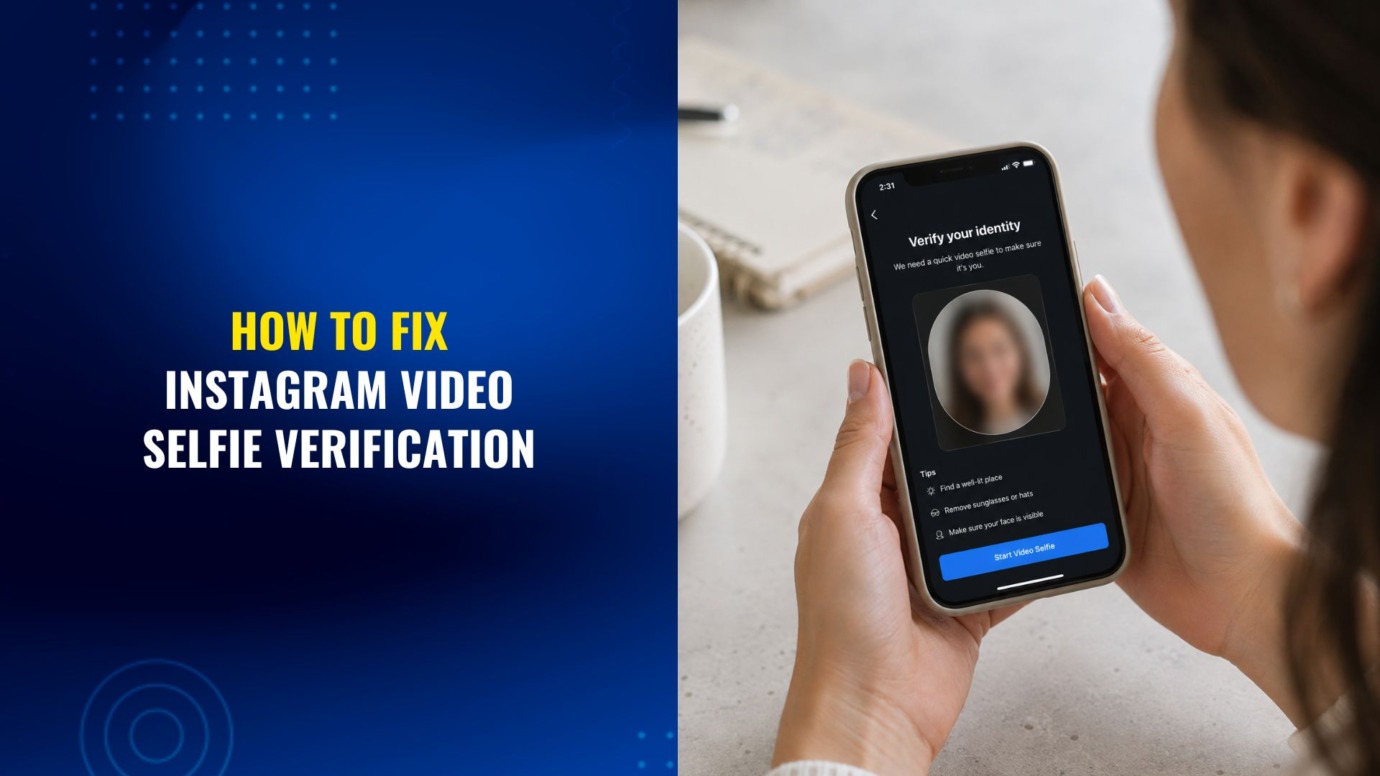
A business owner tries to log into Instagram. Instagram flags the login as suspicious, requests an identity check, and asks the owner to record a short video selfie. The upload fails, or it uploads successfully, and Instagram rejects it. The account, often the one running DMs, ads, and a Shop, stays locked while the clock keeps ticking on customer messages and sales.
Having represented business owners through Instagram account suspensions and identity holds, we’ve seen how quickly a failed selfie check can stall day-to-day operations, particularly when the account is tied to a storefront or an active ad campaign. Today, we’re breaking down what’s actually happening when that verification fails, and what it takes to get your account back on track.
Why Does Instagram Ask for a Video Selfie?
Instagram uses video selfies in two separate contexts, and it helps to know which one applies to you.
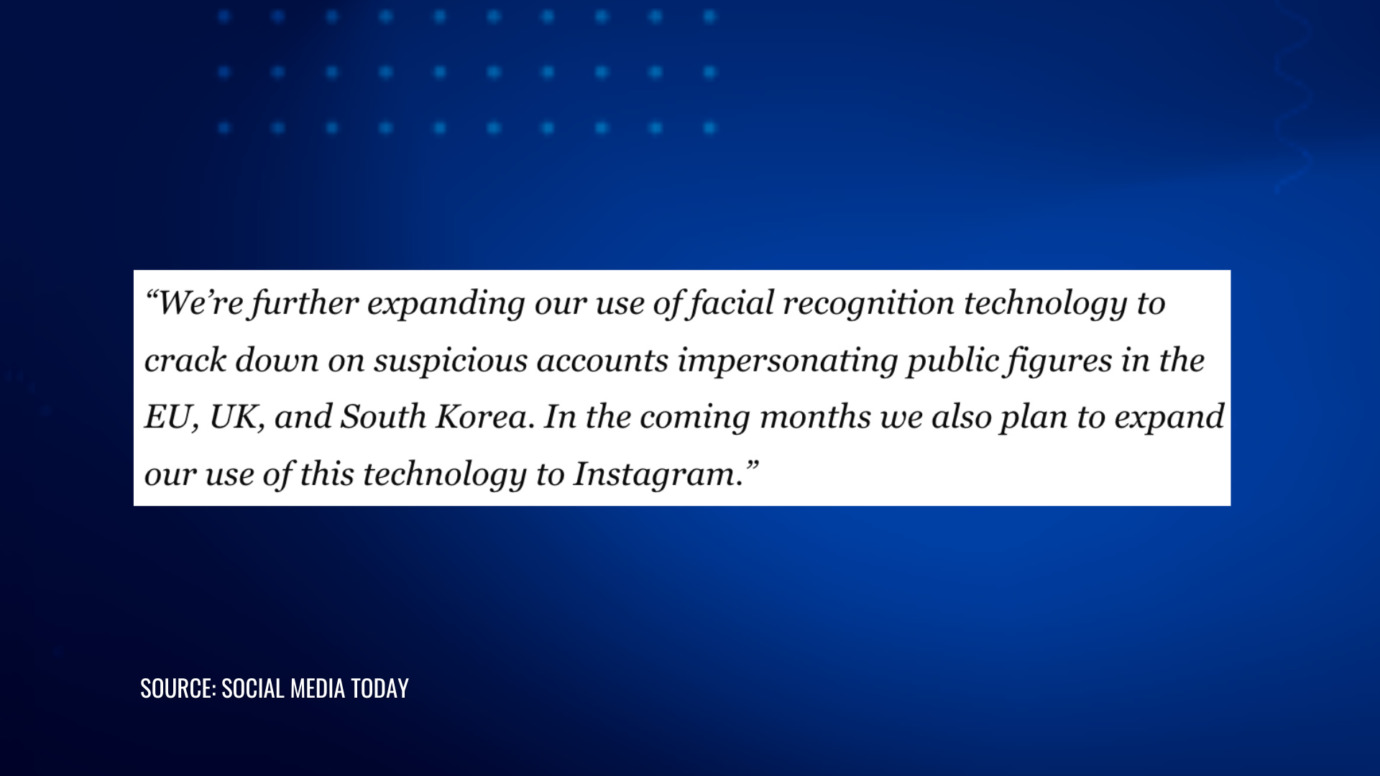
The first, and the one most relevant to business owners, is identity confirmation. According to Instagram’s Help Center, Instagram may ask for a video selfie when it locks your account, flags a login as unusual, or suspects the account may not belong to the person using it. In the regions where it has rolled this out, Instagram compares your selfie to your profile photos using facial recognition technology that generates a numeric “embedding” from your face rather than storing the image itself.
Using facial recognition for this comparison is optional: according to Meta’s own account of the rollout, you can choose manual review or another verification method instead, and Meta says it deletes the facial data immediately after the comparison, whether or not it finds a match.
Meta’s most recent public update on this rollout, as of September 2025, said Instagram expansion was planned for “the coming months.”
The second is age verification. Instagram uses video selfies to confirm whether a user is a teenager, with Meta’s partner Yoti reviewing the submissions, as Instagram’s age verification help page describes. This program targets users that Instagram flags as possibly under 18, not established business accounts, so most SMEs will encounter the identity-confirmation flow rather than this one.
This article focuses on what happens when the identity-confirmation selfie fails, since that’s what tends to disrupt a business’s operations.
What Happens When the Verification Fails?
Two different kinds of failure lead to two different outcomes.
The first is a technical failure. The upload does not go through, the app shows an error like “video upload failed” or “error loading,” or the process times out. In many of these cases, the issue sits with the app or connection rather than with you, and trying again after closing and reopening the app often resolves it.
The second is a review failure, where Instagram accepts the video but its facial-matching system cannot confirm your identity from it. This can happen because of poor lighting, an unclear angle, or because your profile does not have enough recent, clear photos of your face to compare against.
When verification fails, the account typically stays locked or restricted rather than Instagram shutting it down immediately. Instagram may allow another attempt, sometimes after a waiting period. Repeated failures, or a pattern that looks like repeated automated attempts, can also trigger a temporary cooldown where the system stops accepting new submissions for a while.
If the account remains unverified for an extended period, or if Instagram’s systems flag the situation as a likely policy violation rather than a legitimate access issue, the account can move toward a longer suspension, or Instagram can eventually disable it. Instagram does not publish one universal timeline for when that happens, so treat each unresolved verification attempt as time-sensitive rather than assuming there is no rush.
Why Does Instagram Reject Video Selfie Verifications?
A few recurring issues account for most rejected verifications:
- Poor or uneven lighting, glare, or a camera that is out of focus
- Wearing sunglasses, a hat, or anything else that obscures the face
- A profile with mostly group photos, product shots, or logos, giving Instagram little to match against
- Submitting the selfie at an angle that does not clearly show the full face
- Retrying too quickly, which can push the request into a review or cooldown state rather than a clean pass or fail
None of these guarantee a rejection on their own, but they’re common, practical reasons a facial match can fail, consistent with how Meta describes its facial recognition comparison process.
What Should a Business Do If Verification Keeps Failing?
A few steps tend to help:
- Record the selfie in good, even light, with the camera steady and the face clearly visible, and remove hats, sunglasses, or anything covering the face
- Avoid submitting repeated attempts in quick succession, since this can slow down review rather than speed it up
- If you manage the account through Meta Business Suite, check the Account Quality section for any stated reason before resubmitting
- Keep a record of when you made each attempt and what error or message appeared, in case you need to escalate the issue
- If the standard appeal channels are not resolving the issue after a reasonable number of attempts, contact Meta support directly through Business Suite rather than continuing to resubmit the same video
If the account has since moved from “locked pending verification” to fully disabled, the situation changes, and the timeline for recovering it becomes more urgent. Our earlier piece on what the 30-day deletion window actually means for a disabled Instagram account walks through that distinction in more detail.
How Does This Affect Business and Advertiser Accounts Specifically?
For a business, an Instagram account often functions as a storefront, a customer service channel, and proof to customers that the brand is active. A verification hold on that account can interrupt Instagram Shopping, pause DMs from customers, and in some cases affect linked Facebook Pages or ad accounts under the same Meta Business Suite setup.
Because a verification failure and a policy-based suspension can look similar from the outside, and often require different responses, read Instagram’s stated reason closely, where suspensions are broken down in more detail, before assuming which situation applies.
When Does a Failed Verification Need Legal Help?
Many first-time verification issues resolve through Instagram’s own process once you resubmit the selfie under better conditions, though outcomes vary. Legal help tends to make more sense when the account carries real commercial value, when several appeals through the normal channels have not worked, when the hold has spread to a linked Facebook Page or ad account, or when the underlying issue involves a trademark, impersonation, or ownership dispute rather than a straightforward identity check.
Cabilly & Co. has worked with business owners through Instagram account and content reinstatement cases, including situations where an identity or verification hold on one account affected other connected Meta properties. If your Instagram business account is stuck behind a failed video selfie verification and the standard appeal process isn’t moving, contact us to discuss your account’s verification hold or broader Instagram suspension.
PROTECT YOUR BRAND. GROW YOUR BUSINESS.
Rated 4.9 by 80+ clients on Google Reviews

Top 20
Trademark lawyer in the US*
Top 3
Service providers for Amazon sellers*
96%
Success rate for TM registrations
8000+
Clients Worldwide
Legal Disclaimer: The articles published on our platform are for informational purposes only and do not constitute legal advice in any form. They are not intended to be a substitute for professional legal counsel. For any legal matters, it is essential to consult with us or a qualified attorney who can provide advice tailored to your specific situation. Reliance on any information provided in these articles is solely at your own risk.
Frequently Asked Questions
What happens if my Instagram video selfie verification fails?
Instagram typically keeps your account locked or restricted rather than shutting it down immediately. You can usually try again, though repeated failures can trigger a temporary cooldown, and an unresolved verification can eventually lead to a longer suspension or a disabled account.
Does Instagram use facial recognition to verify video selfies?
In the regions where Instagram has rolled this out, yes. Instagram compares your video selfie to your existing profile photos using facial recognition technology that generates a numeric “embedding” of your face rather than storing the image itself, and Meta says it deletes that facial data immediately after the comparison.
Can I skip facial recognition and verify my identity another way?
Yes. Meta says that using facial recognition for this comparison is optional, and you can choose manual review or another verification method instead.
Why does Instagram reject a video selfie verification?
Poor or uneven lighting, glare, an out-of-focus camera, sunglasses or hats covering the face, an unclear angle, and a profile without enough clear face photos to compare against commonly cause a rejected verification. Retrying too quickly can also push the request into a cooldown state instead of a clean pass or fail.
How long does Instagram take to resolve a failed verification?
Instagram doesn’t publish a fixed timeline. Many first-time issues resolve once you resubmit the selfie under better conditions, though outcomes vary, so treat each unresolved attempt as time-sensitive rather than assuming there’s no rush.
Can a failed video selfie verification affect my other Meta accounts?
Yes, in some cases. A verification hold can affect linked Facebook Pages or ad accounts under the same Meta Business Suite setup, not just the Instagram account itself.
Should I contact a lawyer if Instagram's video selfie verification keeps failing?
Not usually for a first-time issue. Legal help tends to make more sense when the account carries real commercial value, several appeals through Instagram’s normal channels haven’t worked, the hold has spread to a linked Facebook Page or ad account, or the underlying issue involves a trademark, impersonation, or ownership dispute rather than a straightforward identity check.
Read the latest from Cabilly & Co.
 Oct 12, 2026
Amazon Brand Registry – Discover for Free if You’re Eligible
Increase Your Chance of Getting a
Trademark to 96%


STAY UPDATED
Subscribe to Our Newsletter
Sign up to receive valuable information on E-Commerce and intellectual property
Have a legal question?