Book a FREE 15-minute consultation with an expert – Book Now

How to Fight a False Copyright Claim on Instagram and Get Your Content Back
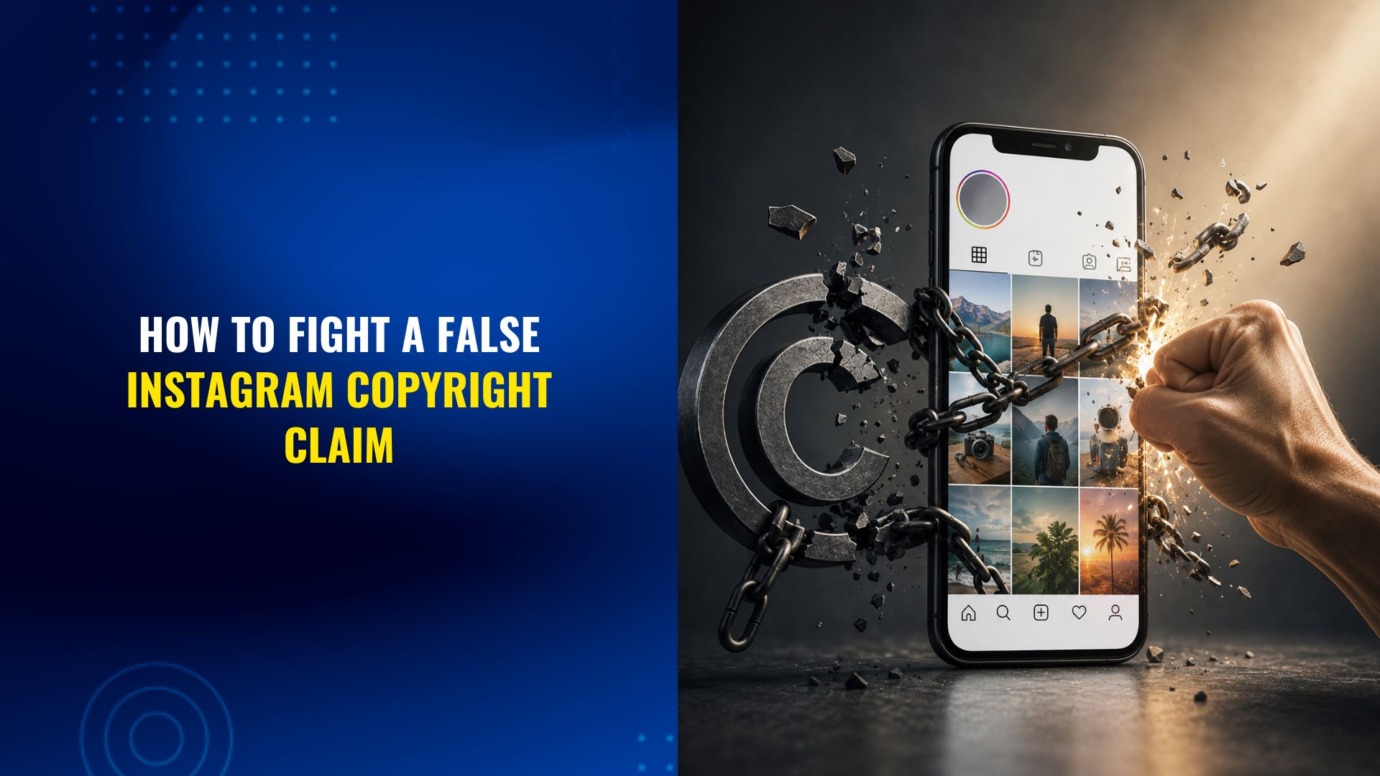
Your original video disappears. Instagram tells you it was removed after a copyright report. You know the work is yours because you filmed it, edited it, and posted it first. So how do you actually get it back?
The answer, in most cases, is a DMCA counter-notification. It is the formal tool built into copyright law specifically for the situation where content is removed by mistake or through a false claim. It is also widely misunderstood, and filing it wrong can cost you weeks or, worse, expose you to real legal risk.
Our firm regularly helps creators and brands dispute wrongful takedowns and restore removed content, and this guide explains how the counter-notification process works, what a valid one must contain, and the traps to avoid before you file.
This is the second article in our series on copyright abuse targeting Instagram creators.
If someone is not just filing false reports but also demanding payment to stop, start with our first article on how to respond when someone uses fake copyright claims to extort you, then come back here for the mechanics of getting your content restored.
And once you have your content back, the third article covers how Instagram’s repeat infringer policy works and how to keep repeated reports from getting your account suspended.
What Is a DMCA Counter-Notification?
A counter-notification is your formal response to a copyright takedown. It is a legal statement, made to the platform, that your content was removed by mistake or misidentification and should be restored.
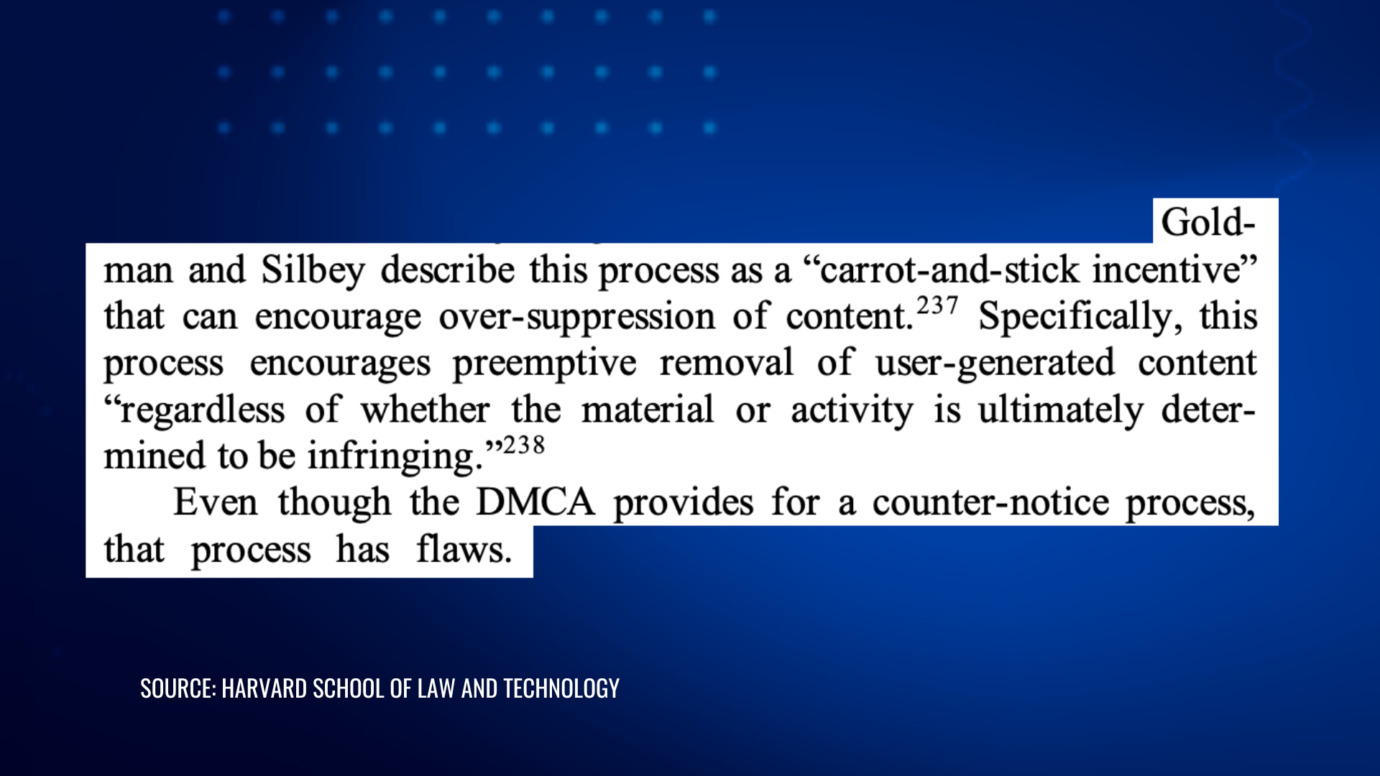
It exists because the U.S. Digital Millennium Copyright Act (DMCA) is built around a two-way system. A rights holder can file a notice to have content removed. The person whose content was removed can file a counter-notice to push back. The platform sits in the middle and follows the process, which is how it keeps its own legal protection.
Instagram, like other Meta platforms, follows this framework. When your content is removed under the DMCA, the warning Instagram sends you generally includes instructions on how to file a counter-notification.
When Should You File a Counter-Notification?
Filing is appropriate when you have a genuine, good-faith basis to say the content should not have been removed. Common situations include:
- The content is entirely your own original work.
- You have a license or explicit permission to use the material.
- The removal was a case of mistaken identity, meaning the reporter flagged the wrong content.
A counter-notification is not the right tool if the claim against you is actually valid. Because you are making a statement under penalty of perjury, you should not file one lightly or as a bluff. If you genuinely own the removed content, though, that concern falls away, because you are simply stating the truth.
What Must a Valid Counter-Notification Include?
Under the DMCA, a counter-notification has to contain specific elements to be effective. According to the U.S. Copyright Office, a counter-notice generally must include:
- Your physical or electronic signature.
- Identification of the removed content and the location where it appeared before it was taken down.
- A statement, under penalty of perjury, that you have a good-faith belief the content was removed as a result of mistake or misidentification.
- Your name, address, and telephone number.
- A statement that you consent to the jurisdiction of the appropriate U.S. federal court, and that you will accept service of process from the party who filed the original notice.
Miss one of these, and the platform can reject the counter-notice as insufficient, sending you back to the start. Precision matters here, which is one reason many creators have counsel review the document before it goes out.
You can review the official requirements and a sample counter-notice directly from the U.S. Copyright Office.
What Happens After You File? The 10 to 14 Day Window
Once you submit an effective counter-notification, the process runs on a timeline set by the DMCA.
Instagram promptly forwards your counter-notice to the party who filed the original report. That party then has a set window to act. As Instagram’s own help documentation explains, if the reporting party does not notify the platform within 10 to 14 business days that it has filed a court action seeking to restrain your activity, Instagram may restore or cease disabling the eligible content.
In plain terms: the ball moves to the accuser. They either escalate to an actual lawsuit, which is a serious and expensive step, or they let the window pass, at which point your content is generally eligible to be restored. For someone who filed a false report in bad faith, filing a real federal lawsuit is usually the last thing they want to do, because it would put their fraudulent claim in front of a judge.
A Critical Point for Creators Outside the United States
This is where many international creators get caught off guard, and it deserves careful attention.
A valid counter-notification requires you to consent to the jurisdiction of a U.S. federal court. If you live outside the United States, the DMCA requires you to consent to a U.S. federal court where the platform can be found. In practice, that means filing a counter-notice involves agreeing, in advance, to be sued in the United States over this content.
For many creators this is a manageable step, but it is a real legal consequence, not a formality. If you are based outside the U.S., or if the underlying dispute is complicated, it is worth getting advice before you sign a document consenting to a foreign court’s jurisdiction. This is one of the most common reasons creators consult a lawyer before filing rather than after.
What Are the Most Common Mistakes That Get Counter-Notices Rejected?
A few recurring errors slow people down or sink their counter-notice entirely:
- Vague identification. Saying “someone took down my post” without precisely identifying the content and its former location forces the platform to come back for clarification, or to reject the filing.
- Missing required elements. Leaving out the jurisdiction consent, the penalty-of-perjury statement, or your contact details makes the counter-notice defective.
- Filing without genuine grounds. A counter-notice is a sworn statement. Filing one when the claim against you is actually valid can expose you to liability, not restore your content.
- Waiting too long. Momentum matters, and delays can complicate reinstatement, especially if further reports are piling up in the meantime.
Can You Do More Than Just File the Counter-Notice?
Yes, and in cases of clear abuse you often should.
A counter-notification restores content, but it does not by itself address the person who filed the false claim. Where someone knowingly submitted a false report, U.S. law provides a separate avenue: under section 512(f) of the DMCA, a person who knowingly and materially misrepresents that content is infringing can be held liable for damages, including costs and attorneys’ fees. Courts have generally set a demanding standard for these claims, so outcomes vary, but the provision exists precisely for bad-faith takedowns.
If your account or posts have already been pulled down, our team handles Instagram account and content reinstatement directly, and our guide on what to do when Instagram removes your post covers the broader removal picture. Registering your key works through copyright registration and consulting can also strengthen both your ownership proof and any future enforcement.
What If the False Reports Keep Coming?
Restoring one post is a win, but creators facing coordinated abuse often worry about the bigger threat: repeated reports stacking up until the account itself is suspended for repeat infringement. That is the subject of the third article in this series, on how strike-based suspension works and how to get ahead of it before your account is at risk.
The Short Version
To fight a false copyright claim on Instagram:
- File a DMCA counter-notification if you genuinely own the removed content or have the right to use it.
- Include every required element, precisely, or risk rejection.
- Expect a 10 to 14 business day window in which the accuser must either sue or step back.
- If you are outside the U.S., understand that you are consenting to a U.S. federal court’s jurisdiction, and consider advice first.
- Where the claim was knowingly false, look into your options for holding the filer responsible.
Talk to Someone Who Handles This
A wrongful takedown can feel like the platform has sided against you, but the counter-notification process exists precisely to correct it, and it works when it is done carefully and correctly.
If your original content was removed from Instagram through a false or mistaken copyright report, the team at Cabilly & Co. can help you prepare a proper counter-notification, weigh the jurisdiction considerations if you are based outside the U.S., and decide how to handle a bad-faith filer. Reach out through our contact page to talk through your situation.
PROTECT YOUR BRAND. GROW YOUR BUSINESS.
Rated 4.9 by 80+ clients on Google Reviews

Top 20
Trademark lawyer in the US*
Top 3
Service providers for Amazon sellers*
96%
Success rate for TM registrations
8000+
Clients Worldwide
Legal Disclaimer: The articles published on our platform are for informational purposes only and do not constitute legal advice in any form. They are not intended to be a substitute for professional legal counsel. For any legal matters, it is essential to consult with us or a qualified attorney who can provide advice tailored to your specific situation. Reliance on any information provided in these articles is solely at your own risk.
Read the latest from Cabilly & Co.
 Oct 5, 2026
Amazon Brand Registry – Discover for Free if You’re Eligible
Increase Your Chance of Getting a
Trademark to 96%


STAY UPDATED
Subscribe to Our Newsletter
Sign up to receive valuable information on E-Commerce and intellectual property
Sed do eiusmod tempor incididunt ut labore