Book a FREE 15-minute consultation with an expert – Book Now

How Many Instagram Copyright Strikes Before Suspension? Understanding the Repeat Infringer Policy
The scariest part of a copyright takedown is rarely the lost post. It is the question that follows: how close is my whole account to being gone?
If someone is filing repeated copyright reports against your content, that question feels urgent. Instagram does disable accounts under a repeat infringer policy, and for a creator or business whose audience lives on the platform, losing the account is far worse than losing one video. But the strike system is more understandable, and less arbitrary, than the person threatening you wants you to believe.
Our firm regularly helps creators and brands facing repeated takedowns and suspension threats, and this article explains how the repeat infringer policy actually works, what does and does not count against your account, and how to protect it before it reaches the danger zone.
This is the third article in our series on copyright abuse targeting Instagram creators.
The first covers what to do when someone uses fake copyright claims to extort you, and the second walks through the counter-notification process for getting wrongly removed content restored.
If your account has already been disabled and you need the recovery steps, our separate guide on how to fix a copyright suspension on Instagram is the place to start.
This article is about the strike system itself: how it works, and how to stay ahead of it.
What Is Instagram’s Repeat Infringer Policy?
Instagram, which is owned by Meta, is legally required to have and enforce a repeat infringer policy. This is a condition of the safe harbor that shields platforms under the U.S. Digital Millennium Copyright Act (DMCA). To keep that legal protection, Instagram has to act against accounts that repeatedly host infringing content.
According to Instagram’s own help documentation, if you repeatedly post content that infringes someone else’s intellectual property (IP) rights, your account may be disabled under its repeat infringer policy.
In practice, that framework works roughly like this:
- When a valid copyright report leads to your content being removed, that removal can count toward your account’s infringement history.
- As those removals accumulate, the account can move from restricted, to disabled, to permanently removed.
- Business and monetized accounts often face tighter scrutiny than personal ones.
The key word is repeatedly. The policy is aimed at patterns of infringement, not a single disputed post, which is exactly why how you handle each removal matters so much.
How Many Copyright Strikes Does It Take to Get Suspended?
This is the question everyone asks, and the honest answer is that Instagram does not publicly commit to a fixed number.
You will see “three strikes” repeated across the internet as if it were official Meta policy. It is not. Instagram has not published a specific strike count that guarantees suspension, and treating any single number as a safe limit is a mistake. The more accurate way to understand it is cumulative: each valid removal adds to your risk, and there is no public threshold that marks exactly where the line sits.
For someone being targeted by false reports, that uncertainty is the whole game. They want you to believe the account is one or two reports away from deletion, so that paying feels safer than fighting. Understanding what actually counts against you removes most of the power behind that threat.
What Counts as a Strike, and What Does Not?
This is the part that matters most if you are facing false or abusive claims, and it is genuinely good news.
According to Instagram’s help documentation, content that is restored, whether through a successful appeal or because the rights owner withdrew their report, will not be counted against you if your account is later reviewed for repeat infringement. A removal that gets reversed is treated differently from a valid removal that goes unchallenged.
The implication is significant. Successfully disputing a false claim does more than bring back one post. It also helps keep that removal off your account’s infringement record, which is precisely the record a repeat infringer review looks at. In other words, contesting a wrongful takedown protects the account, not just the content.
This is why the worst response to a false report is often to do nothing, or to quietly pay someone to withdraw it. Letting a wrongful removal stand leaves it on your record. Reversing it through the proper process, covered in the second article of this series on counter-notifications, is what keeps it from counting toward suspension.
How Can You Protect Your Account From a Repeat Infringer Suspension?
Whether you are facing coordinated false reports or simply want to reduce your exposure, a few habits meaningfully lower the risk.
Contest wrongful removals instead of absorbing them. Every false removal you successfully reverse is one that should not weigh against your account. Letting them accumulate unchallenged is what pushes you toward the danger zone.
Keep clean ownership records for your original content. Raw files, project files, and posting history showing you published first are what make appeals and counter-notices credible and fast. Organized proof is the difference between a quick reversal and a drawn-out dispute.
Watch the genuinely common triggers. Even creators posting their own work get caught by predictable issues: unlicensed trending music, reposted content, and using brand logos or product images without permission. Credit is not permission, and a business account often has fewer allowances than a personal one. Our detailed guide on how to fix a copyright suspension on Instagram breaks these triggers down and covers the appeal process step by step.
Register your key works where it makes sense. Registration strengthens both your ownership proof and your enforcement options. Our team can advise on copyright registration and consulting if that fits your situation.
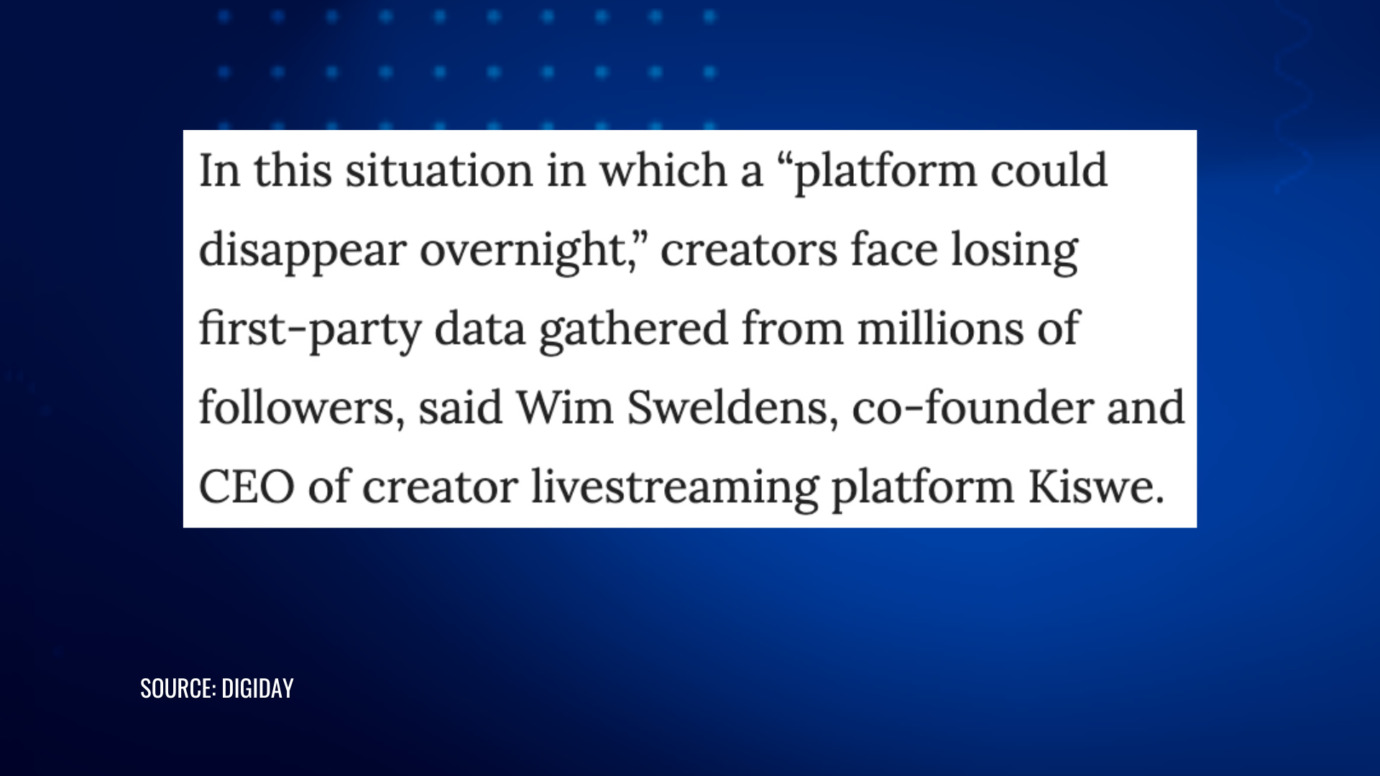
Reduce single-platform dependence. If your entire business runs through one account, the leverage a bad actor has over you is greater. Maintaining a presence on other platforms and an owned channel, such as a website or email list, softens the blow of any single dispute.
What If Your Account Is Already Suspended?
If the strikes have already landed and your account has been disabled, the priority shifts from prevention to recovery, and speed matters.
The path generally runs through Instagram’s appeal process and, where the removal was made under the DMCA, a carefully prepared counter-notification. Both work best when your evidence is organized and your filings are precise. Our step-by-step guide on how to fix a copyright suspension on Instagram walks through exactly what to do, and our team handles Instagram account and content reinstatement directly when the situation calls for it.
Can You Hold the Person Filing False Reports Responsible?
In many cases, yes, though it depends on the facts and which laws apply.
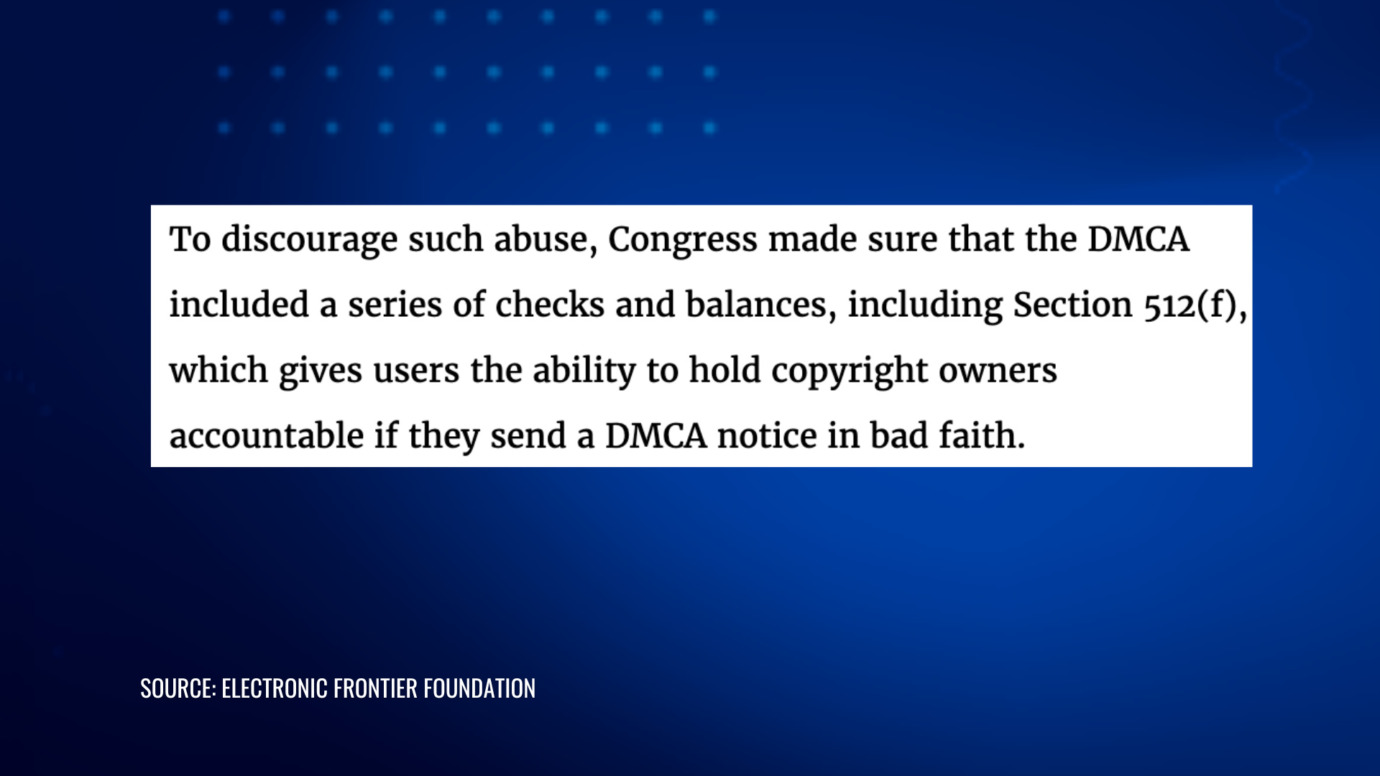
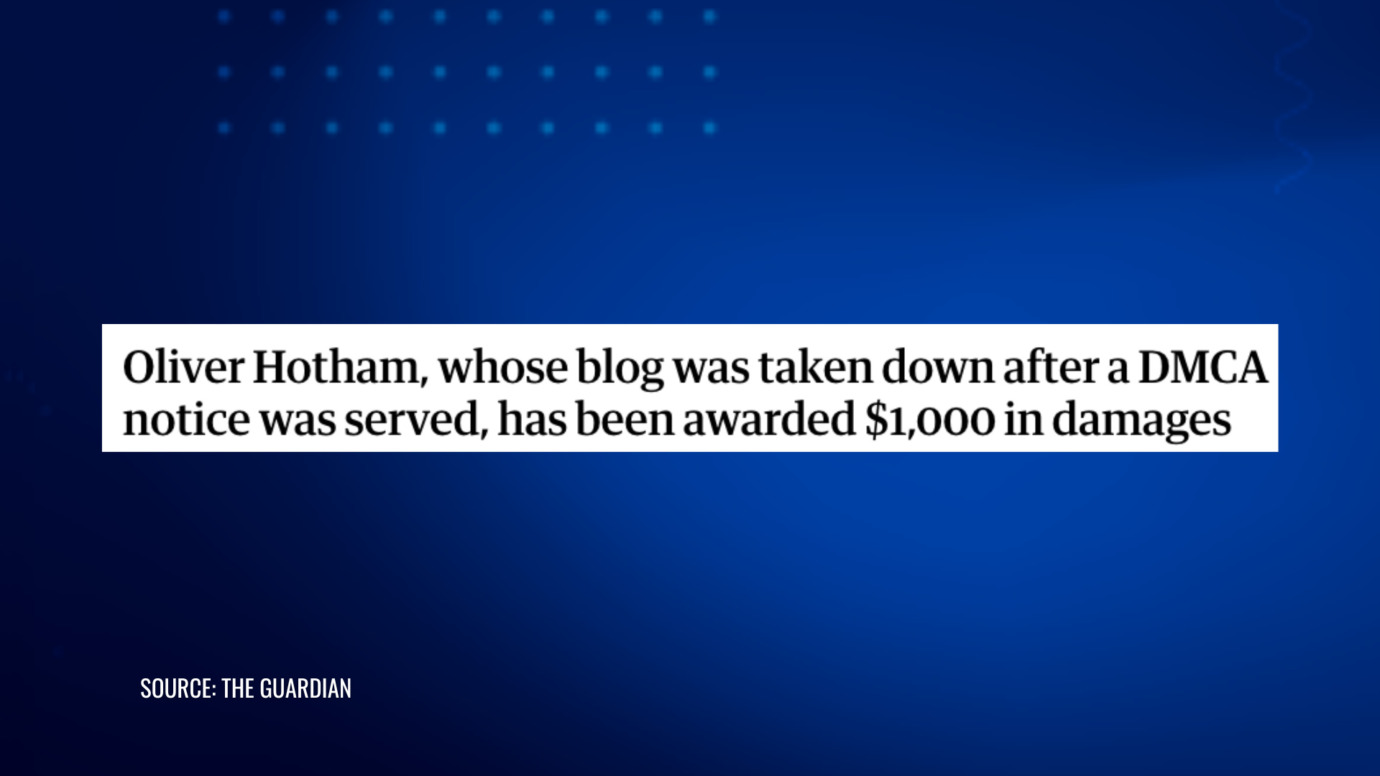
Under U.S. law, section 512(f) of the DMCA provides that a person who knowingly and materially misrepresents that content is infringing can be held liable for damages, including costs and attorneys’ fees. Courts have generally set a demanding standard for these claims, so outcomes vary, but the provision is aimed squarely at bad-faith takedowns of the kind used to stack false strikes against an account.
The broader theme across this whole series is the same: the strike system a bad actor uses as a threat is also governed by rules that protect you. Reversed claims should not count. Bad-faith filers can face consequences. And the account you built is more defensible than the person pressuring you wants you to think.
The Short Version
- Instagram must enforce a repeat infringer policy, but it does not publish a fixed strike count, so treat “three strikes” as a myth rather than a rule.
- Risk is cumulative: each valid, unchallenged removal adds to it.
- Content restored through appeal or withdrawal will not be counted against you if your account is later reviewed for repeat infringement.
- Contesting false claims protects the account, not just the individual post.
- If you are already suspended, move quickly through the appeal and counter-notification process.
- Where reports were knowingly false, you may have options to hold the filer responsible.
Talk to Someone Who Handles This
The repeat infringer system feels frightening because it is opaque and because your account may be central to your livelihood. But opacity is not helplessness, and much of the pressure a bad actor applies depends on you not knowing how the system actually treats reversed and false claims.
If your Instagram account is facing repeated copyright reports, a suspension threat, or a buildup of strikes you believe are unfair, the team at Cabilly & Co. can help you contest wrongful removals, protect the account, and weigh your options against a bad-faith filer. Reach out through our contact page to talk through your situation.
Legal Disclaimer: The articles published on our platform are for informational purposes only and do not constitute legal advice in any form. They are not intended to be a substitute for professional legal counsel. For any legal matters, it is essential to consult with us or a qualified attorney who can provide advice tailored to your specific situation. Reliance on any information provided in these articles is solely at your own risk.
Read the latest from Cabilly & Co.
 Sep 6, 2026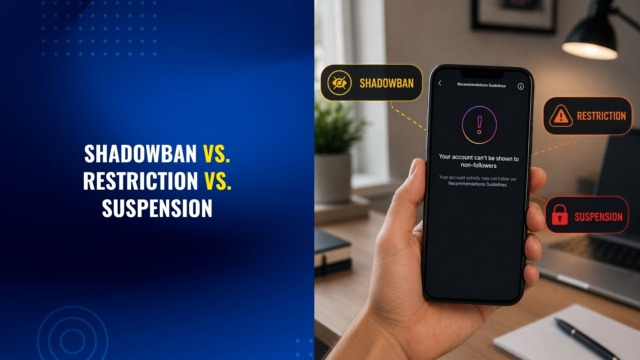
Amazon Brand Registry – Discover for Free if You’re Eligible
Increase Your Chance of Getting a
Trademark to 96%


STAY UPDATED
Subscribe to Our Newsletter
Sign up to receive valuable information on E-Commerce and intellectual property