Book a FREE 15-minute consultation with an expert – Book Now

How to Detect and Stop an Amazon Review Attack
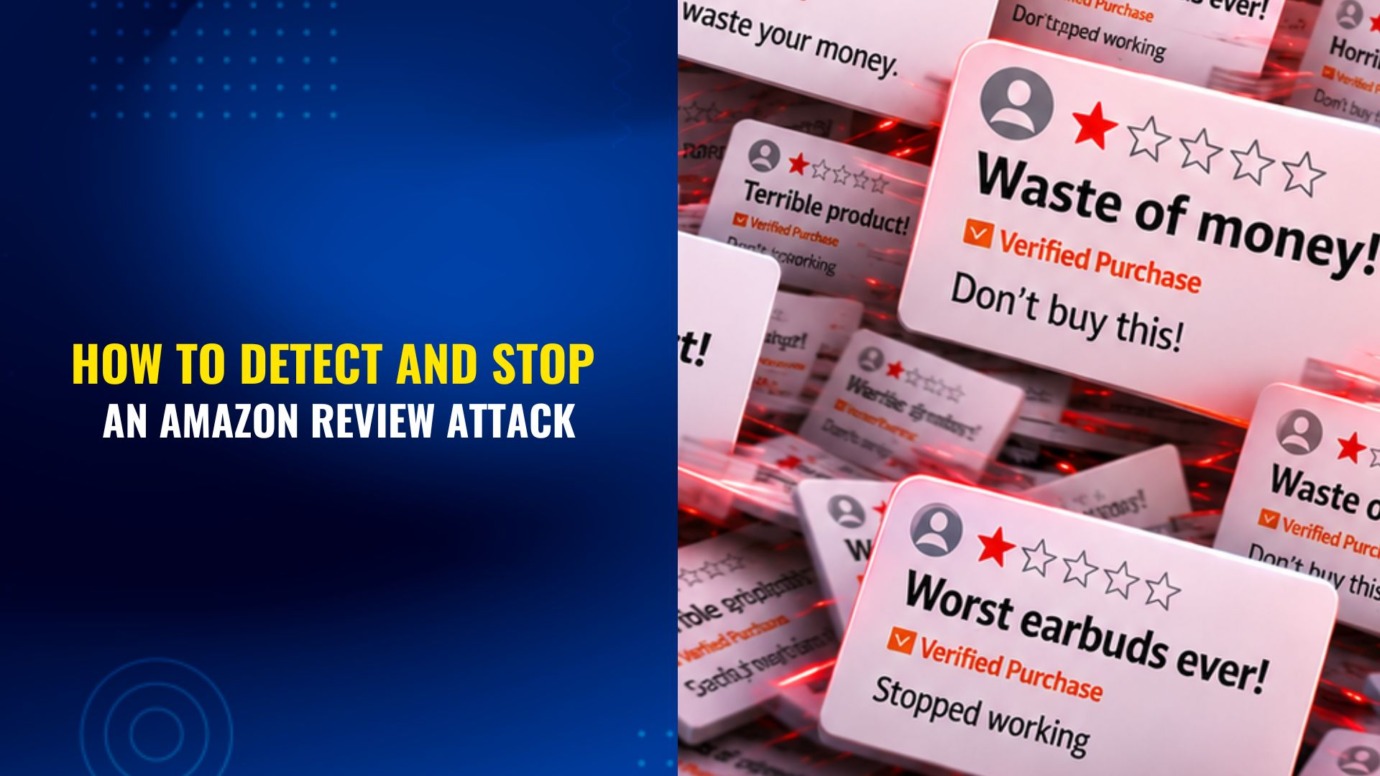
If your Amazon listing is suddenly hit with a wave of one-star reviews, you can’t afford to ignore it.
There’s a real chance you’re facing a coordinated review attack, and it’s one of the most damaging things that can happen to an Amazon business. Most sellers don’t know how to fight back, and that’s exactly what attackers count on.
We work with Amazon brand owners on these exact situations, and much of what follows comes directly from cases our team has handled.
In the sections below, we’ll explain how these attacks work, how to recognize the warning signs, how to report them to Amazon the right way, and what to look out for if you decide to bring in outside help.
Just How Big Is the Fake Review Problem?
The scale of review fraud on Amazon is staggering. In 2024 alone, Amazon blocked more than 275 million suspected fake reviews from appearing in its store, and its investigation teams took enforcement actions against thousands of bad actors attempting to solicit fake reviews.
In a single year, Amazon spent over $500 million and hired 8,000 employees to combat the issue.
But the numbers that matter most are the ones affecting your bottom line. Even small drops in star ratings reduce buyer trust, hurt conversions, and lead to real revenue loss, with purchase likelihood falling sharply once ratings drop below the 4.2 to 4.5 range.
From what we’ve seen, the damage isn’t always gradual. A seller can fall from a strong 4-plus rating into the 3-star range in a short period, and on a platform where buyers make split-second decisions based heavily on ratings, the impact on sales can be severe.
This isn’t just an annoyance. It can be financially devastating.
How Coordinated Review Attacks Actually Happen
These attacks tend to follow a few common patterns.
Sometimes the source is a direct competitor who pays a service to flood your listing with negative reviews. These services maintain pools of buyers ready to purchase your product, leave a one-star review, and collect a reimbursement arranged outside of Amazon or return the product for a refund.
The whole campaign can cost as little as a few hundred dollars, yet it can severely damage your listing’s ranking.
Other times, the attack originates entirely outside Amazon. We’ve handled cases where social media influencers or people running product review websites approach brand owners offering to “collaborate” or promote their products.
In one case, a seller politely declined one of these offers. Within two weeks, their listing was hit with a coordinated wave of negative reviews from at least ten different accounts. The reviews appeared within days of one another, used strikingly similar language, and every reviewer profile showed suspicious patterns.
What makes this easier for attackers is that a person doesn’t need to buy your product to review it. Amazon generally requires only that a reviewer’s account has spent a minimum amount on Amazon over the prior year, which is no real obstacle to anyone running a coordinated campaign.
Some attackers do purchase the product so the review carries a “verified purchase” badge, making it harder to challenge. Many don’t bother.
How to Tell an Attack From a Run of Bad Luck
There are several clear signals that point to a coordinated campaign rather than ordinary negative feedback.
Timing. If you typically receive one negative review every few months and suddenly get five or ten within a few days, that’s a red flag.
Language. When multiple reviews share similar wording, similar complaints, or a similar writing style, that’s rarely a coincidence.
Reviewer history. Click on each reviewer’s name and examine the profile. If they’ve only ever left one-star reviews, or they’ve reviewed three products in the past week after years of inactivity, that tells you something.
Before reporting, it’s also worth checking competitors’ listings in your product category. If other sellers are being hit with suspicious reviews from the same accounts or during the same window, that’s strong evidence of a broader attack targeting your niche.
This kind of pattern can sometimes overlap with other forms of platform abuse, which is why understanding how Amazon suspensions work is a useful starting point before you respond.
How to Report a Review Attack to Amazon
The first step is to report each suspicious review individually. On the review itself, there’s a report button. Use it, and select the reason that best fits the situation. Do this for every review you believe is fake or malicious.
But don’t stop there. Reporting reviews one by one treats them as isolated incidents. What you need Amazon to understand is that this is a coordinated campaign, and that requires a different approach.
The stronger path for flagging suspicious patterns is through the Report Abuse link on your Account Health page. These reporting tools usually have character limits and won’t let you attach documents, so here’s how to work within them:
Open a new case and provide a detailed explanation with as much supporting evidence as possible. For each suspicious review, include a direct link and pull the review ID from the URL, which Amazon uses to locate the review in its system.
For each one, explain why you believe it’s part of a coordinated attack. Point out shared language, similar reviewer histories, the timing pattern, and any prior communications you received, such as a threatening message from another seller or an unsolicited collaboration offer you declined.
If the evidence is extensive, compile it into a PDF and attach it to the case. Organize everything clearly, and make it as easy as possible for Amazon to connect the dots.
One important caution: be very careful about naming other sellers as the culprits. Unless you have strong, verifiable evidence, avoid direct accusations.
Instead, use measured language such as, “We are not certain, but we believe this may be connected to a specific seller because they contacted us prior to the attack,” or “This is the only competitor in our category that did not receive similar reviews during this period.” Amazon tends not to respond well to sellers blaming other sellers without solid proof.
Once the case is created, return to your Account Health page, click the Report Abuse link, and submit a short summary through the reporting tool, including your case number.
What to Expect After You Report
It helps to set realistic expectations. If an individual review clearly violates Amazon’s review policies, for example by containing offensive language, referencing the wrong product, or not being a genuine product review, the report button should lead to removal within a few days.
Coordinated attack investigations take much longer. Amazon must dig deeper, cross-reference reviewer accounts, and look at patterns across its systems.
Allow a reasonable amount of time, at minimum around five business days, before expecting results. If reviews start coming down, let the process run its course until you’re confident no further action will be taken and any remaining false reviews are unlikely to be removed.
Amazon will almost never tell you what action it took against reviewers or other sellers, so don’t push for that information. Just keep a close eye on the reviews themselves.
Here’s something worth remembering: even if your first report doesn’t trigger immediate removal, it still matters. Every report enters Amazon’s system.
If the same group of reviewers is reported by multiple sellers, or continues attacking other listings over the following months, Amazon eventually connects the dots and acts. Filing a report is never wasted, even when nothing happens right away.
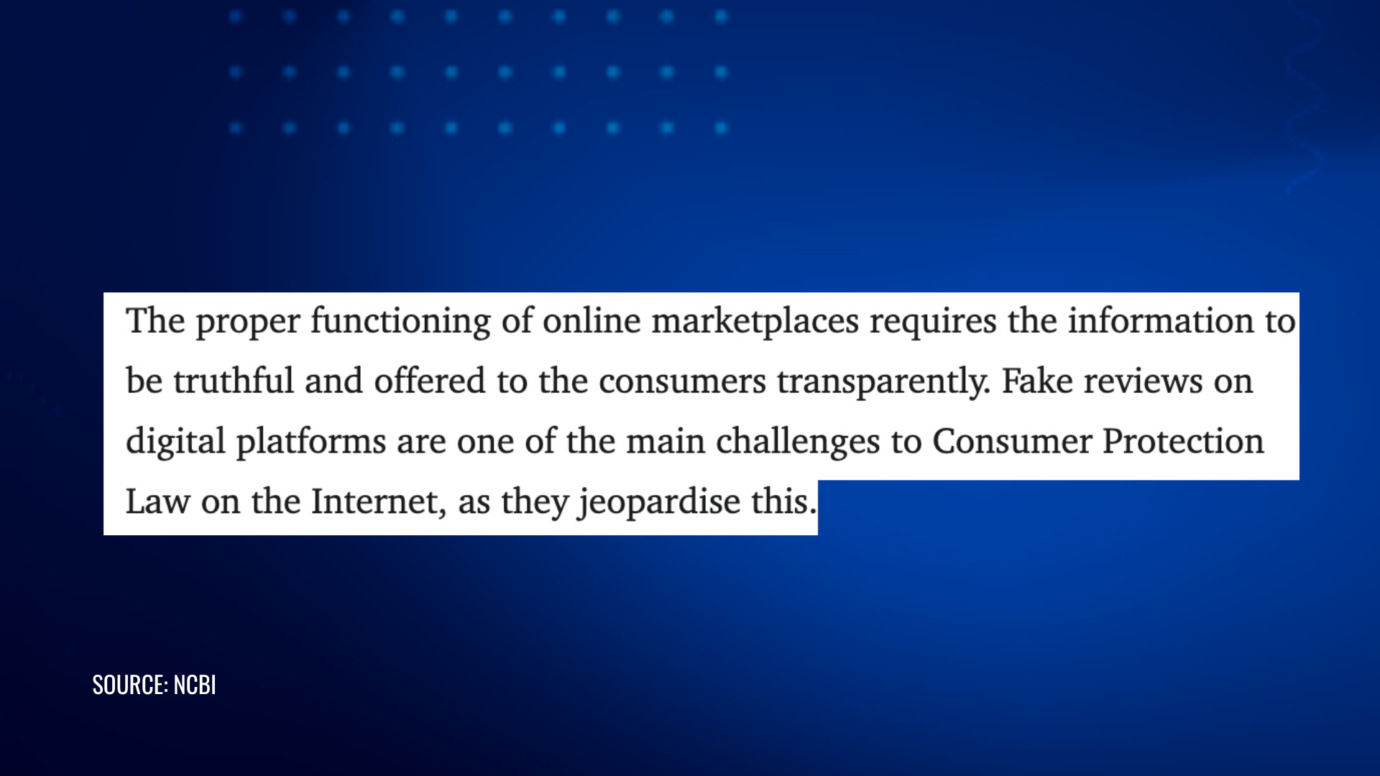
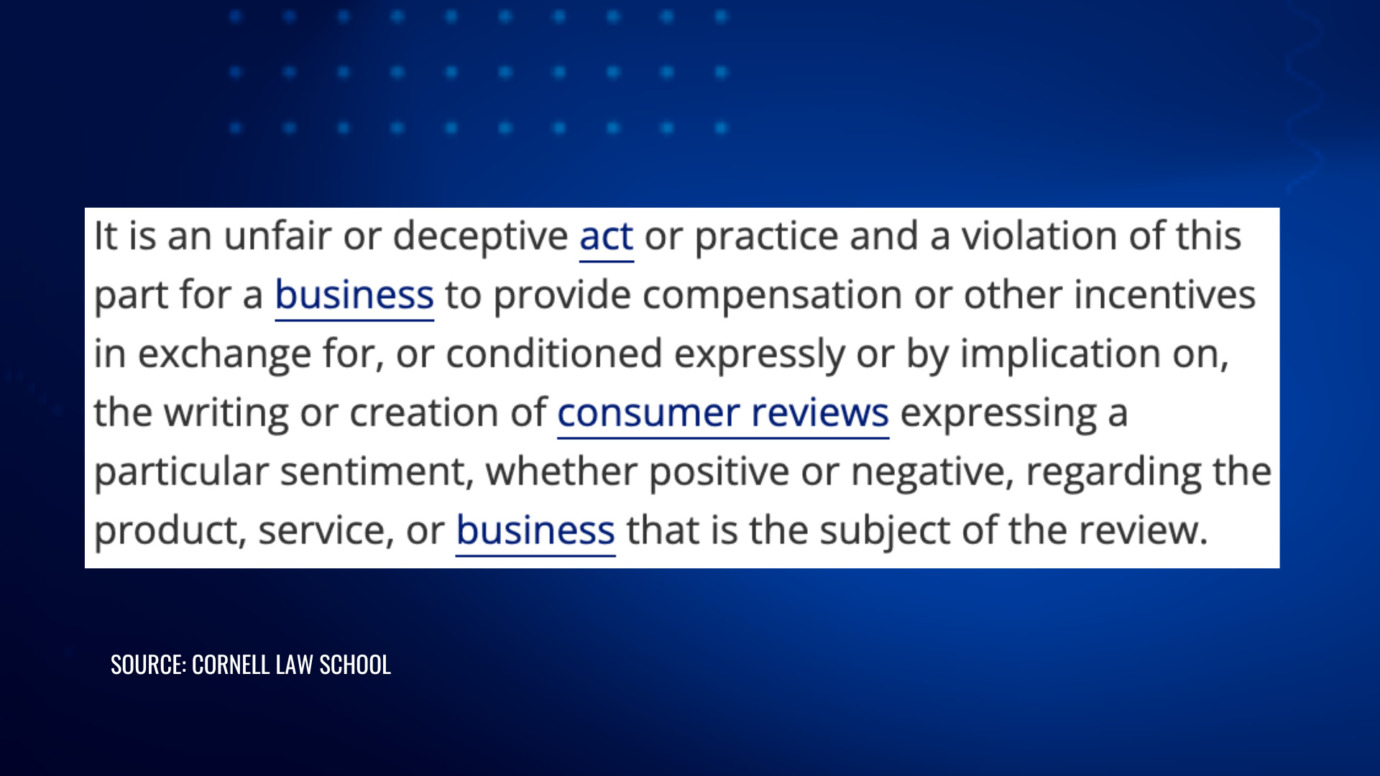
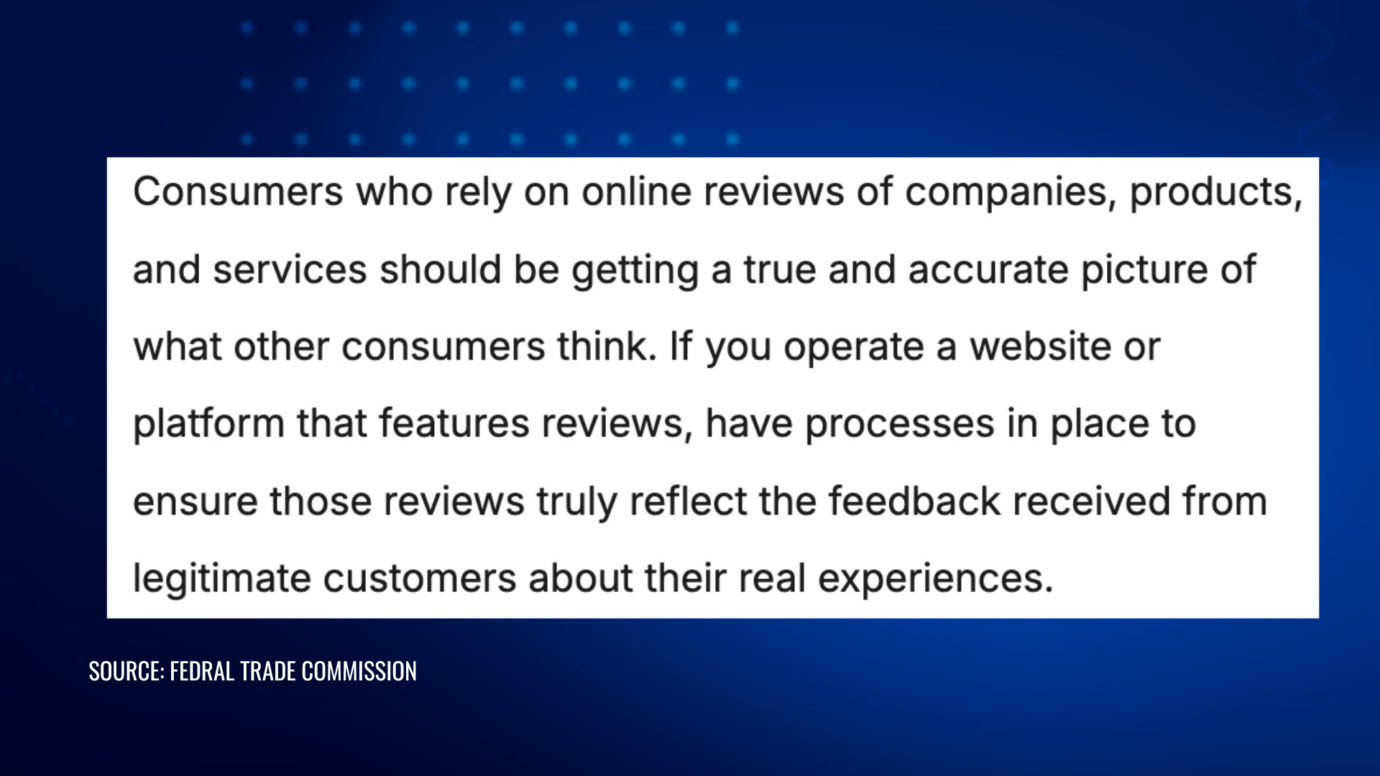
It’s also worth noting that regulators are paying closer attention to review fraud. The U.S. Federal Trade Commission has taken an increasingly aggressive stance, finalizing a rule in 2024 that bans the buying and selling of fake reviews and testimonials, which adds weight to the case that this behavior carries real consequences beyond Amazon’s own enforcement.
When to Bring in Professional Help
There are cases where doing everything right simply isn’t enough. A severe attack, reviews that stay up despite repeated reports, or direct threats from another seller are all situations where it helps to involve professionals.
These are the cases that call for someone who understands how Amazon’s escalation process works, knows what Amazon needs to see in order to act, and has the experience to push a case forward when standard reporting stalls.
This is exactly the type of work our team handles. We understand how Amazon’s review investigation process operates, and we help sellers build and escalate cases that get results.
For sellers also dealing with related enforcement issues, our Amazon account and listing reinstatement services address the broader picture of protecting your seller account.
Protect Your Listing Before the Damage Spreads
A coordinated review attack moves fast, and the longer fake reviews stay live, the harder they are to undo.
If you’re facing a review attack, or simply want guidance on handling a situation that feels similar, our team is ready to help.
Contact us to discuss your case and find out how we can help you fight back.
PROTECT YOUR BRAND. GROW YOUR BUSINESS.
Rated 4.9 by 80+ clients on Google Reviews

Top 20
Trademark lawyer in the US*
Top 3
Service providers for Amazon sellers*
96%
Success rate for TM registrations
8000+
Clients Worldwide
Legal Disclaimer: The articles published on our platform are for informational purposes only and do not constitute legal advice in any form. They are not intended to be a substitute for professional legal counsel. For any legal matters, it is essential to consult with us or a qualified attorney who can provide advice tailored to your specific situation. Reliance on any information provided in these articles is solely at your own risk.
Read the latest from Cabilly & Co.
 Oct 5, 2026
Amazon Brand Registry – Discover for Free if You’re Eligible
Increase Your Chance of Getting a
Trademark to 96%


STAY UPDATED
Subscribe to Our Newsletter
Sign up to receive valuable information on E-Commerce and intellectual property
Have a legal question?