Book a FREE 15-minute consultation with an expert – Book Now

Sourcing From Alibaba: What Amazon Sellers Need to Know
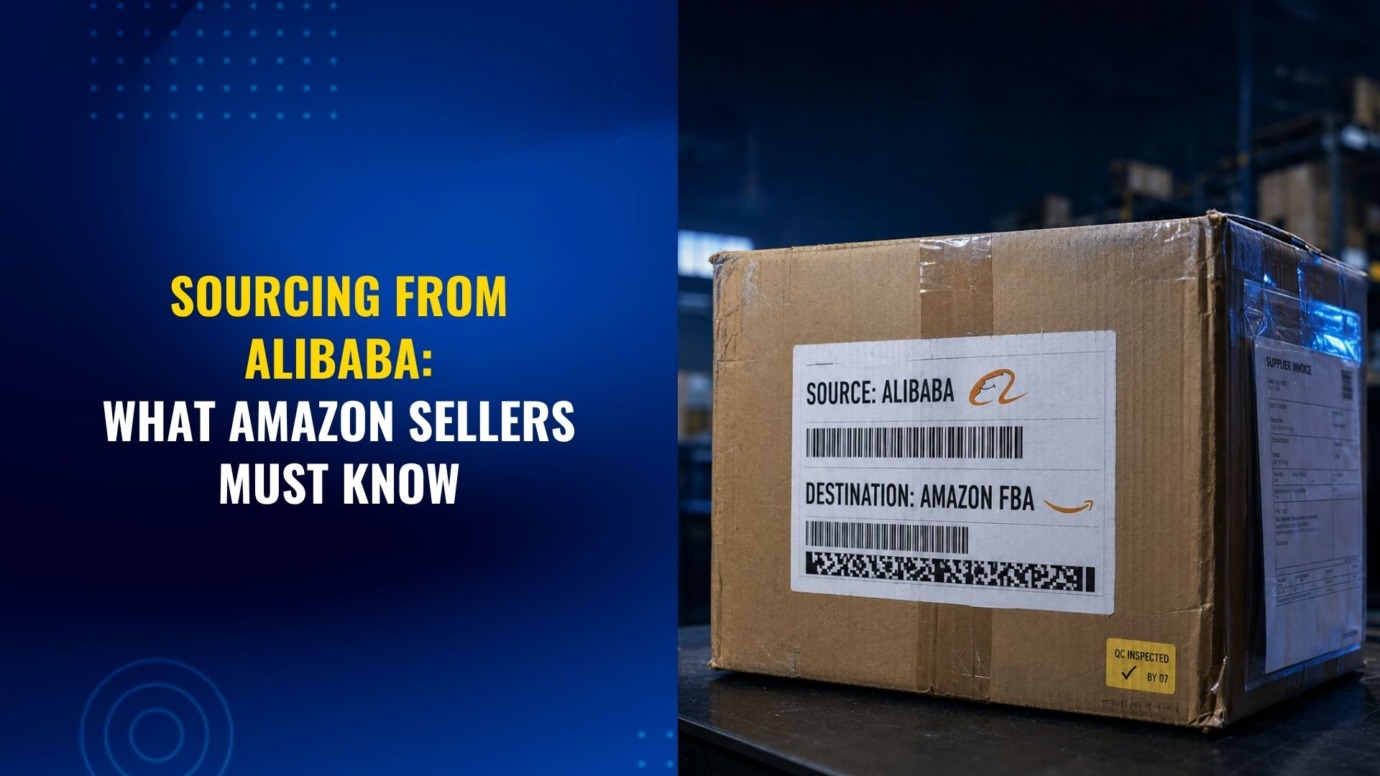
Alibaba has long been the starting point for sellers who want to launch a private label. The platform connects you with a vast network of manufacturers producing nearly every type of product imaginable, whether you want to put your brand name on an existing product (white-labeling) or contract a factory to build something to your own specifications.
That access is genuinely valuable. The complication is that Amazon does not always view an Alibaba invoice the same way you do. As Amazon works to keep counterfeit and inauthentic goods off its marketplace, Seller Performance teams sometimes apply assumptions to suppliers that only have an Alibaba presence, and those assumptions can be wrong.
In our work advising Amazon sellers on authenticity and supply-chain documentation, we have seen how a single misread note from a reviewer can stall an otherwise legitimate account. The good news is that most of these problems are avoidable once you understand what Amazon is actually looking for.
Why Amazon Treats Alibaba Sourcing With Extra Scrutiny
Amazon’s authenticity systems are built to catch a few related patterns.
One is sellers who buy generic goods from a marketplace like Alibaba and then sell them under another brand’s listing, or pass them off as something they are not.
Another is sellers offering products that use someone else’s intellectual property without authorization, whether that is a branded logo, a protected design, or copyrighted artwork that a factory was willing to reproduce.
Either pattern can trigger a counterfeit, inauthentic, or IP complaint, which is among the more serious problems a seller can face.
Because these patterns exist, invoices from Alibaba-only suppliers can draw closer review. If your documentation does not clearly establish who you are, who makes your product, and that the goods are authentic, you may be asked to prove more than you expected.
None of this means you cannot source from Alibaba. It means your paperwork and your brand setup need to leave little room for misinterpretation.
A Real Example: When “Manufacturer” Became a Debate
A useful illustration comes from a matter we handled for a client selling a cosmetics product.
The client decided to refresh their packaging to test whether a new look would attract more buyers. This is permitted under Amazon’s product detail page rules, as long as only the packaging changes and the underlying product stays the same, so a new listing is not required. The change did, however, confuse some buyers who thought they had received the wrong item.
On its face, this was a routine fix. The client’s brand was enrolled in Brand Registry. They updated the listing with an image showing that the same product now came in different packaging, and they cleared out the older inventory.
What followed was not routine. The account was pulled into a drawn-out exchange with Account Health over the meaning of the word “manufacturing.” One representative objected that the client claimed to be the manufacturer while also saying the factory manufactured the product. Another questioned why a supplier described as Chinese had issued invoices written in English.
Resolving these misunderstandings took roughly a dozen appeals and calls before Amazon recognized the error. The lesson is worth holding onto: it sometimes takes only one mistaken note from a reviewer to derail a legitimate account, and getting it corrected can take patience and persistence.
That experience is not meant to discourage you. It is meant to show why preparation matters so much.
What Amazon Wants to See From Alibaba Sellers
The factors below tend to make the difference between a smooth review and a prolonged one. None of them is an absolute guarantee, because Amazon’s decisions can vary by reviewer and by case, but together they significantly strengthen your position.
1. Enroll in Brand Registry
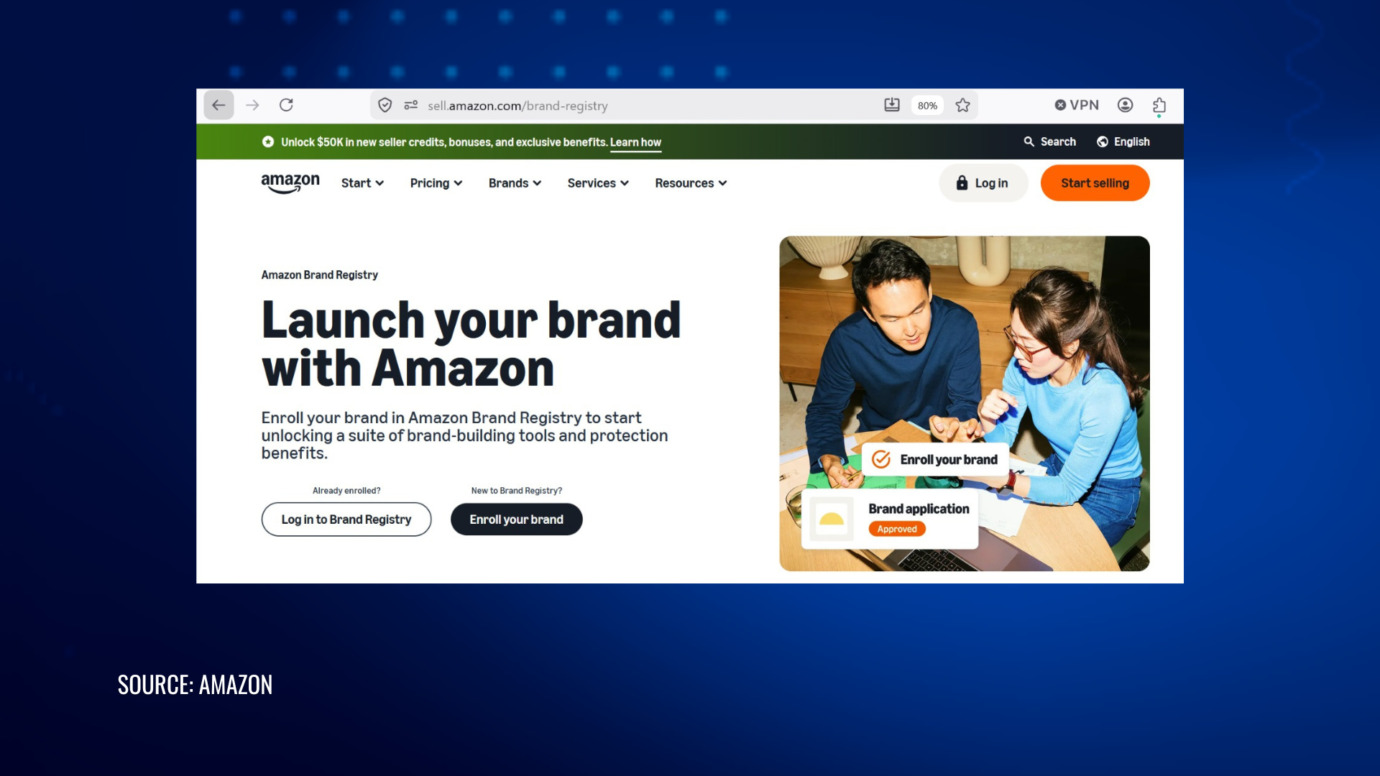
One of the clearest ways to show Amazon that you are the brand is to register a trademark and enroll in Amazon Brand Registry.
Brand Registry offers a range of benefits, but the most relevant one here is recognition: Amazon knows you are the brand owner.
That recognition is valuable if an authenticity issue arises. It will not necessarily spare you from having to confirm your identity over a few rounds of correspondence, but it makes you far less likely to be confused with a different brand that does hold the registration, a mix-up that can seriously complicate reinstatement.
Brand Registry generally requires a registered or pending trademark, so trademark registration is usually the first step. According to Amazon’s own Brand Registry requirements, your brand name and logo must match your trademark record exactly, and your brand name or logo must be permanently affixed to your product or packaging.
2. Make Your Supply Chain Verifiable
To prevent counterfeits, Amazon may inspect suppliers and request documentation that traces your goods back to their source.
The difficulty with Alibaba is that Amazon can sometimes treat products sourced there as generic. Many sellers have, in fact, tried to source generic Alibaba goods and sell them under other brands’ listings, which is exactly the conduct that leads to counterfeit claims and can take a business offline for an extended period.
To keep your sourcing verifiable, it helps to maintain:
- Invoices that clearly identify the supplier, the product, quantities, and dates, and that match the details in your Seller Central account
- A consistent description of your role and your manufacturer’s role, so the relationship is not open to misreading
- Documentation of your relationship with the supplier beyond the invoice itself, such as a manufacturing or supply agreement, purchase orders, or signed correspondence confirming they produce for your brand
- Proof that the specific units you sell came from that supplier, for example production records, packing lists, or shipping documents that tie the shipment to the invoice
It is worth choosing a supplier who is willing to provide this kind of paperwork up front. A factory that will document the relationship, and not just issue an invoice, makes your position far easier to defend if Amazon ever asks you to prove it.
Consistency is the theme. Most disputes we see do not come from fraud. They come from documentation that can be read more than one way.
What Amazon Looks For in an Invoice
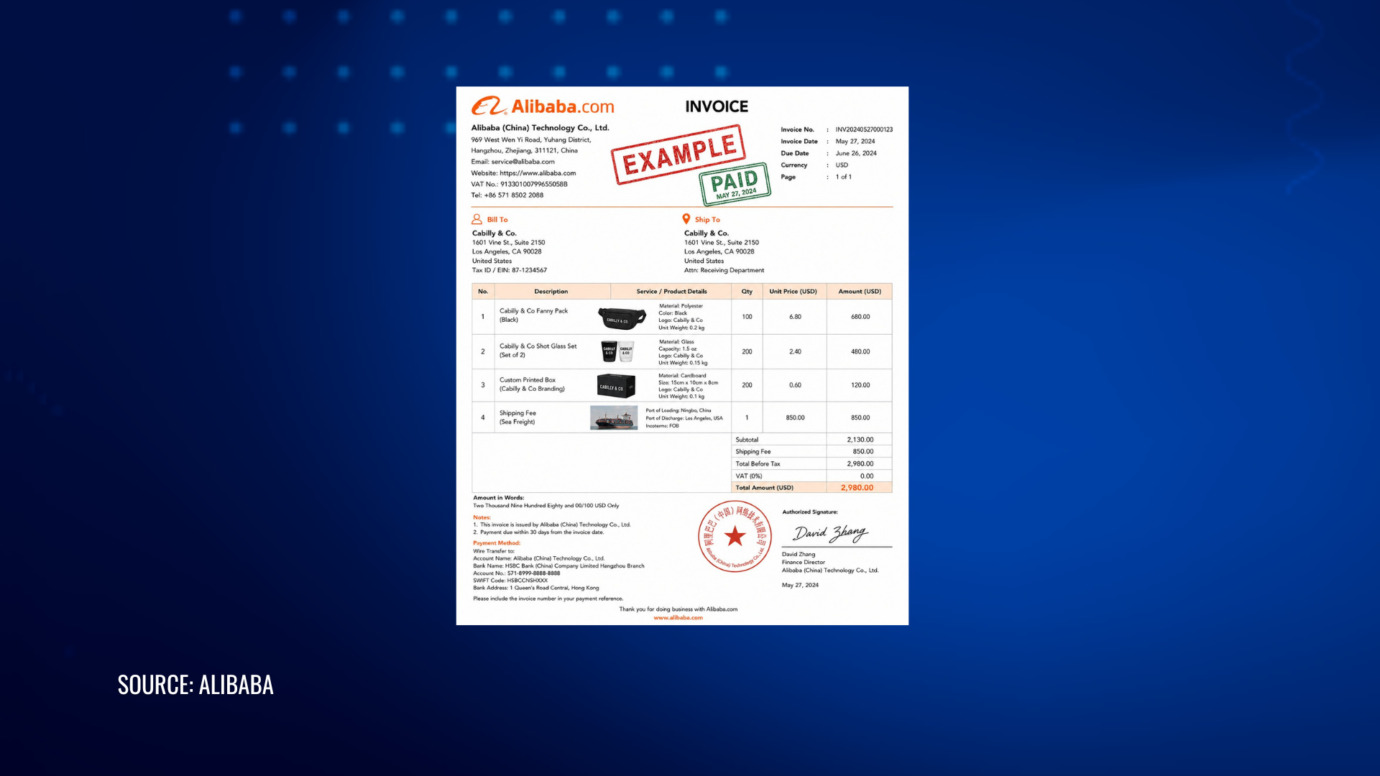
If an authenticity question ever reaches the invoice stage, the document itself has to meet a fairly specific standard. Amazon sets out its expectations in its invoice requirements for policy appeals, and invoices that fall short are a common reason an otherwise valid appeal stalls.
In practice, a compliant invoice generally needs to:
- Show an issue date within the past 365 days
- Be a final invoice for a completed, paid order, not a proforma or a quote. If the document simply reads “Invoice” at the top, rather than “Proforma Invoice” or “Quotation,” that is ideal
- Show your legal name or business name as the buyer, matching your Seller Central account exactly
- Show the supplier’s full legal name, address, phone number, and website, so Amazon can verify them independently
- Identify the product clearly, using names, model numbers, or UPCs that can be validated
- Reflect quantities consistent with your sales volume for the flagged product
- Be an unaltered PDF or image file, not an editable format such as a spreadsheet or word-processing document
You’re allowed to remove pricing from the invoice, but everything else needs to stay legible. It should also reflect a fulfilled, paid order: proforma invoices, quotes, and order confirmations generally will not pass review, because they do not prove the purchase actually went through.
One detail trips sellers up more often than you might expect. Some overseas manufacturers, including many on Alibaba, add product photos to their itemized invoices. It feels helpful, but Amazon tends to view image-heavy invoices with suspicion, since they depart from the format of a standard commercial invoice and can complicate automated review. If you can, ask your supplier for a clean, text-based itemized invoice without embedded product images.
It also helps to tell your supplier in advance that Amazon may contact them to confirm a transaction. A supplier who is not expecting that call, and cannot confirm you as a customer, can undermine an appeal on their own.
3. Protect and Respect Intellectual Property
Sourcing from Alibaba carries real intellectual property risk in both directions.
On one side, you need to avoid products that infringe someone else’s trademark, copyright, patent, or design rights. A factory’s willingness to produce something does not make it lawful to sell, and an IP complaint can lead to listing or account suspension. Under U.S. law in particular, liability for infringement does not generally depend on whether you knew the product was infringing, so caution before you order is far cheaper than a dispute afterward.
On the other side, you want to protect your own brand. Amazon offers more than one way to report infringement.
Any rights owner can submit a complaint through Amazon’s public infringement form, even without Brand Registry. Enrolled brands also get access to the Report a Violation tool and programs such as Project Zero, which let you search the catalog and act on infringements more quickly.
Note that the Report a Violation tool generally requires a fully registered trademark, so a pending application alone will not unlock it. This is one more reason registration is worth completing.
If you are unsure whether a product or design exposes you to risk, that is a question worth resolving before goods ship, not after a complaint lands.
4. Keep Certifications and Compliance Documents Ready
Depending on your product category, Amazon and applicable regulators may require safety or compliance documentation, such as test reports or certificates of compliance. Cosmetics, supplements, children’s products, electronics, and similar categories often carry specific requirements.
When you source from overseas, confirm that your manufacturer can supply the certifications your category demands, and that those documents are current and tied to the specific product you are selling.
Missing or mismatched certifications are a common reason listings get held up, and they are far easier to gather before launch than during an active review. Our compliance and regulation team works with sellers on exactly these requirements.
Putting It Together: A Short Checklist
Before and after you source from Alibaba, it helps to confirm that you have:
- A registered or pending trademark and Brand Registry enrollment
- Supplier invoices and records that are internally consistent and match your account details
- Final, paid invoices rather than proformas or quotes, backed by documentation of your supplier relationship such as a supply agreement or purchase orders
- A clear, consistent account of who makes your product and who owns the brand
- Verification that your product does not infringe third-party IP
- Category-appropriate certifications and safety documentation on hand
Working through this list will not make every review effortless, but it removes most of the ambiguity that leads to prolonged appeals.
When to Get Help
Many Alibaba sourcing issues can be managed with careful preparation. Others, especially counterfeit claims, IP complaints, or a reviewer who has reached the wrong conclusion, can be difficult to untangle on your own and costly the longer they remain unresolved.
If you are setting up a private label, responding to an authenticity or IP issue, or simply want your documentation reviewed before a problem arises, our team advises Amazon sellers on these matters every day. Contact Cabilly & Co to discuss your situation and protect the business you are building.
PROTECT YOUR BRAND. GROW YOUR BUSINESS.
Rated 4.9 by 80+ clients on Google Reviews

Top 20
Trademark lawyer in the US*
Top 3
Service providers for Amazon sellers*
96%
Success rate for TM registrations
8000+
Clients Worldwide
Legal Disclaimer: The articles published on our platform are for informational purposes only and do not constitute legal advice in any form. They are not intended to be a substitute for professional legal counsel. For any legal matters, it is essential to consult with us or a qualified attorney who can provide advice tailored to your specific situation. Reliance on any information provided in these articles is solely at your own risk.
Frequently Asked Questions
Can you get suspended on Amazon for sourcing from Alibaba?
Sourcing from Alibaba is not against Amazon’s rules, and many legitimate private-label sellers use it. Suspensions tend to arise not from Alibaba itself but from how the goods are sold or documented: selling generic products under another brand’s listing, offering products that use someone else’s intellectual property without authorization, or supplying invoices that Amazon cannot verify. Consistent documentation and Brand Registry enrollment substantially reduce that risk.
Does Amazon accept Alibaba invoices for authenticity reviews?
Amazon can accept invoices for Alibaba-sourced goods, but only in specific circumstances. The products generally need to be sold either under a listing where the brand is “generic,” or as goods your supplier makes for your own brand that do not infringe anyone else’s intellectual property. An invoice alone is rarely enough. It should identify the supplier, product, quantities, and dates, match your Seller Central details, and ideally be backed by separate documentation of your relationship with the manufacturer. Invoices for generic goods sold under another brand’s listing are exactly what triggers authenticity problems.
What are Amazon's invoice requirements for authenticity appeals?
Amazon expects a final, itemized invoice for a completed and paid order, dated within the last 365 days, that shows your business name as the buyer (matching your Seller Central account), the supplier’s full legal name and verifiable contact details, clear product identifiers, and quantities consistent with your sales. A proforma invoice, quote, or order confirmation generally will not be accepted, since it does not prove the purchase was fulfilled.
The document must be an unaltered PDF or image file, not an editable format. You may remove pricing, but all other details must remain legible. Amazon may also contact your supplier directly to confirm the purchase, so it helps to let them know in advance.
Do I need Brand Registry to sell a private-label product from Alibaba?
Brand Registry is not strictly required to sell, but it is strongly recommended for private-label sellers. Enrollment signals to Amazon that you are the recognized brand owner, which helps during authenticity disputes, and it unlocks faster enforcement tools such as Report a Violation and Project Zero. You do not need Brand Registry to report infringement at all, since any rights owner can use Amazon’s public infringement form, but the in-platform tools are quicker and more powerful. Brand Registry generally requires a registered or pending trademark.
Can a product be infringing even if the Alibaba factory agrees to make it?
Yes. A factory’s willingness to produce a product does not make it lawful to sell. Under U.S. law, liability for infringement generally does not depend on whether you knew the product infringed someone’s trademark, copyright, patent, or design rights. It is far less costly to check before you order than to resolve a complaint afterward.
Read the latest from Cabilly & Co.
 Oct 12, 2026
Amazon Brand Registry – Discover for Free if You’re Eligible
Increase Your Chance of Getting a
Trademark to 96%


STAY UPDATED
Subscribe to Our Newsletter
Sign up to receive valuable information on E-Commerce and intellectual property
Have a legal question?