Book a FREE 15-minute consultation with an expert – Book Now

Instagram Business Account Restricted From Advertising: Causes, Fixes, and When to Get Legal Help
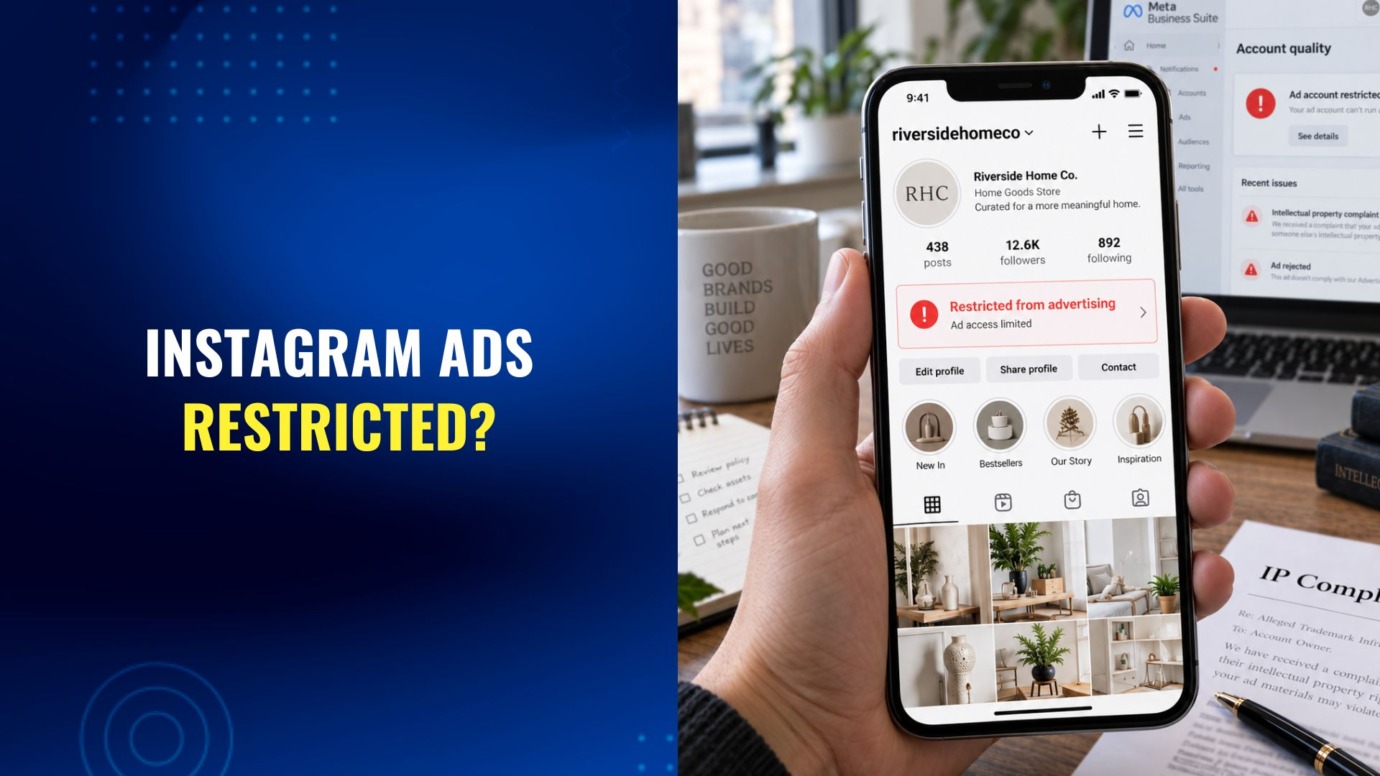
If you woke up to find your Instagram business account can no longer run ads, you’re not alone, and the fix is rarely as simple as clicking “request review” and waiting. We regularly help small businesses and content creators untangle Instagram and Facebook advertising restrictions, and in a surprising number of cases the root cause turns out to be a single intellectual property (IP) complaint, not a content violation the business actually committed.
This guide will walk you through why Meta restricts advertising access, how to figure out which category your case falls into, how the appeal process works, and when the restriction is really a trademark or copyright dispute that needs a legal response rather than a support ticket.
What Does “Restricted From Advertising” Actually Mean?
An advertising restriction is different from a full account suspension. Your Instagram profile, posts, and Direct Messages may still work normally, but Meta has cut off your ability to create or run paid ads, either through Instagram directly, Meta Business Suite, or Ads Manager. This can apply to a single ad account, a specific Page, or an entire Business Manager, depending on what triggered the action and how severe Meta considers it.
Restrictions can be temporary, tied to a specific policy issue that clears once resolved, or they can escalate to a longer-term or indefinite block if Meta records repeated or serious violations on the account.
What Are the Most Common Reasons for the Restriction?
Meta’s enforcement systems flag advertising accounts for a range of reasons, and the notice you receive in Business Suite often gives only a partial explanation. The most frequent causes we see include:
- Advertising policy violations. Ads that touch restricted categories such as health and wellness claims, weight loss, financial products, cryptocurrency, alcohol, or “before and after” imagery often get flagged, even when the underlying product is perfectly legal to sell.
- Community Standards violations on the account. Content that Meta’s automated systems or human reviewers flag as misleading, spammy, or in breach of platform rules can trigger a broader advertising block, not just removal of the individual post.
- Intellectual property complaints. A trademark or copyright report filed against your Page, an ad creative, or a linked account can freeze advertising privileges while Meta reviews the claim, regardless of whether the complaint is accurate.
- Business verification and payment issues. Failed identity verification, disputed charges, or billing problems can suspend ad access separately from any content issue.
- Linked account problems. Because Instagram ad accounts typically run through a connected Facebook Page and Business Manager, a violation tied to any of those linked assets can spill over and restrict advertising on Instagram as well.
- Branded content and paid partnership issues. Creators who boost sponsored posts, or run ads on collaborations, without properly using Meta’s Paid Partnership label can trigger both content removal and a broader advertising restriction.
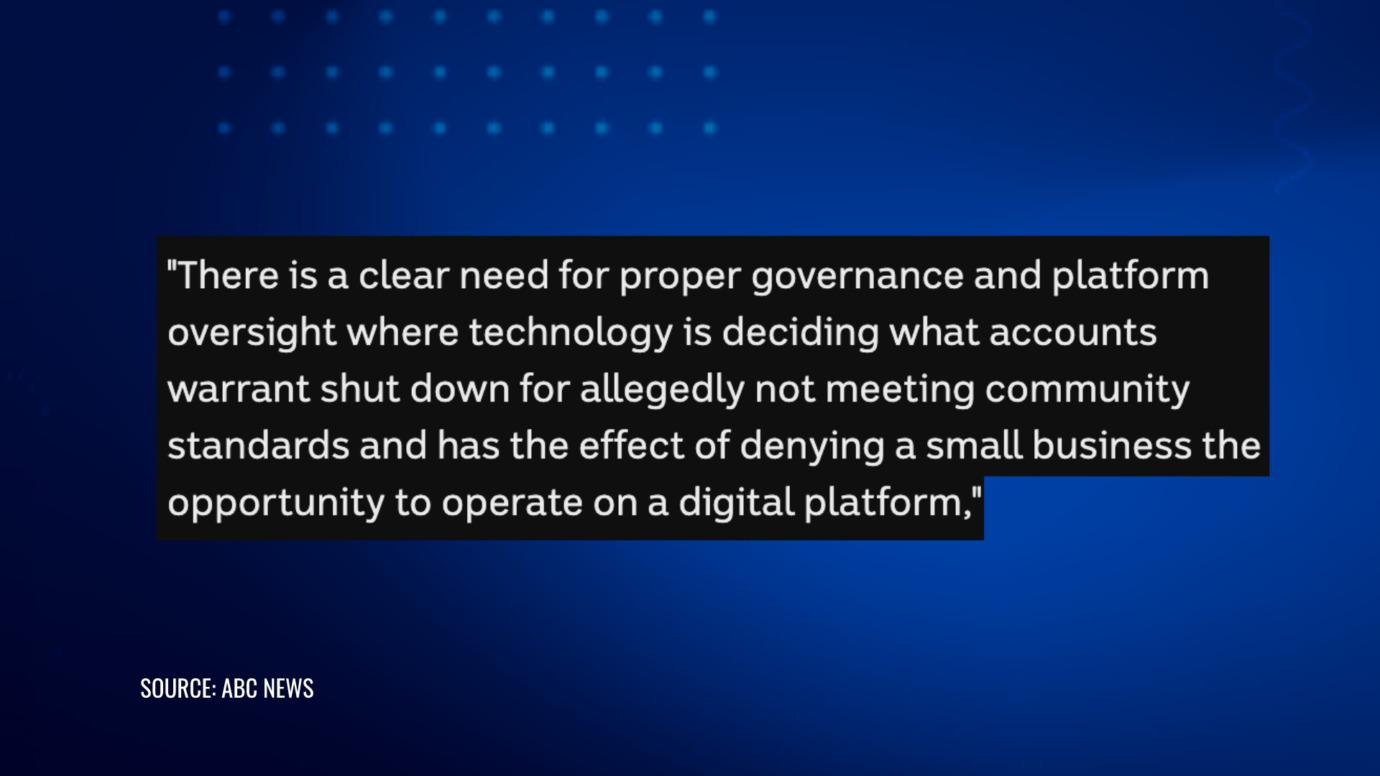
These enforcement calls carry real weight, and regulators are starting to scrutinize how much unchecked power platforms hold over a business’s ability to operate at all, not just its ad access:
How Do I Find Out Why My Account Was Restricted?
Start in Meta Business Suite or Ads Manager under Account Overview. Meta usually provides a stated reason there, along with an option to request a review if one is available. It is also worth checking the Account Quality section, since it often lists specific policy violations tied to individual ads, posts, or the Page itself rather than the ad account in isolation.
Pay close attention to whether the notice references an intellectual property report specifically. That detail changes the strategy, because a policy violation and an IP dispute are typically resolved through different channels inside Meta’s system.
How Do I Appeal an Instagram Advertising Restriction?
For straightforward policy violations, the path is usually:
- Review the specific policy cited in the restriction notice and compare it against the flagged ad or post.
- Correct or remove the content that triggered the violation where possible.
- Submit the review request through Business Suite or Ads Manager with a clear, factual explanation of what was fixed.
- Keep records of your submission, including any reference or ticket number, and follow up if you do not hear back within a reasonable time.
Appeals that are vague, emotional, or that simply assert “I did nothing wrong” tend to get denied quickly or reviewed only superficially. A response that cites the specific policy, explains the context, and shows corrective action generally has a better chance of getting a closer look.
When Is the Restriction Really a Trademark or IP Dispute?
This is the scenario we see most often with small businesses and content creators running Instagram ads to drive traffic to their website, online store, or sponsored content. Someone (a competitor, a copycat account, or in some cases an actual rights holder) files an intellectual property complaint against your ad, your product images, your brand name, or your handle. Meta’s IP enforcement process is largely complaint-driven, which means a restriction can go into effect before Meta has verified whether the underlying claim has merit.
If your restriction notice references a trademark, copyright, or counterfeit report, treat it differently from a routine content flag. Standard appeal templates rarely resolve IP-based restrictions, because Meta’s IP team is evaluating a legal claim, not a content policy question. Being able to show your own trademark registration, license, or chain of rights to the disputed material is often the single most useful thing you can put in front of Meta’s IP reviewers, though it does not guarantee a specific outcome or timeline.
This mirrors what we see across trademark disputes generally: business owners and creators who never registered their trademark, or who let their registration lapse, are far more exposed to copycats, impersonators, and bad-faith reports. The paperwork gap that leaves a business name or handle vulnerable is often the same gap that slows down an Instagram IP appeal.
What If the Complaint Was Filed in Bad Faith?
Not every IP complaint against your Instagram ads is legitimate. Competitors, and in a creator’s case sometimes a rival account or a soured brand partnership, file trademark or counterfeit reports specifically to knock ads offline during a busy launch or campaign, knowing that Meta’s automated systems often act on a report before anyone has verified it. If you believe a report was filed maliciously or without a genuine legal basis, that is a fact worth raising directly in your appeal.
In more serious or repeated cases, it can also support a broader legal response against the party responsible, though that path usually depends on being able to identify who filed the report and document that it was made in bad faith, which is not always straightforward since Meta does not routinely disclose a reporter’s identity.
For background on how trademark enforcement plays out across social platforms and marketplaces more broadly, the USPTO’s overview of trademark enforcement on social media and e-commerce platforms is a useful primer on how these disputes typically unfold and who can be held responsible.
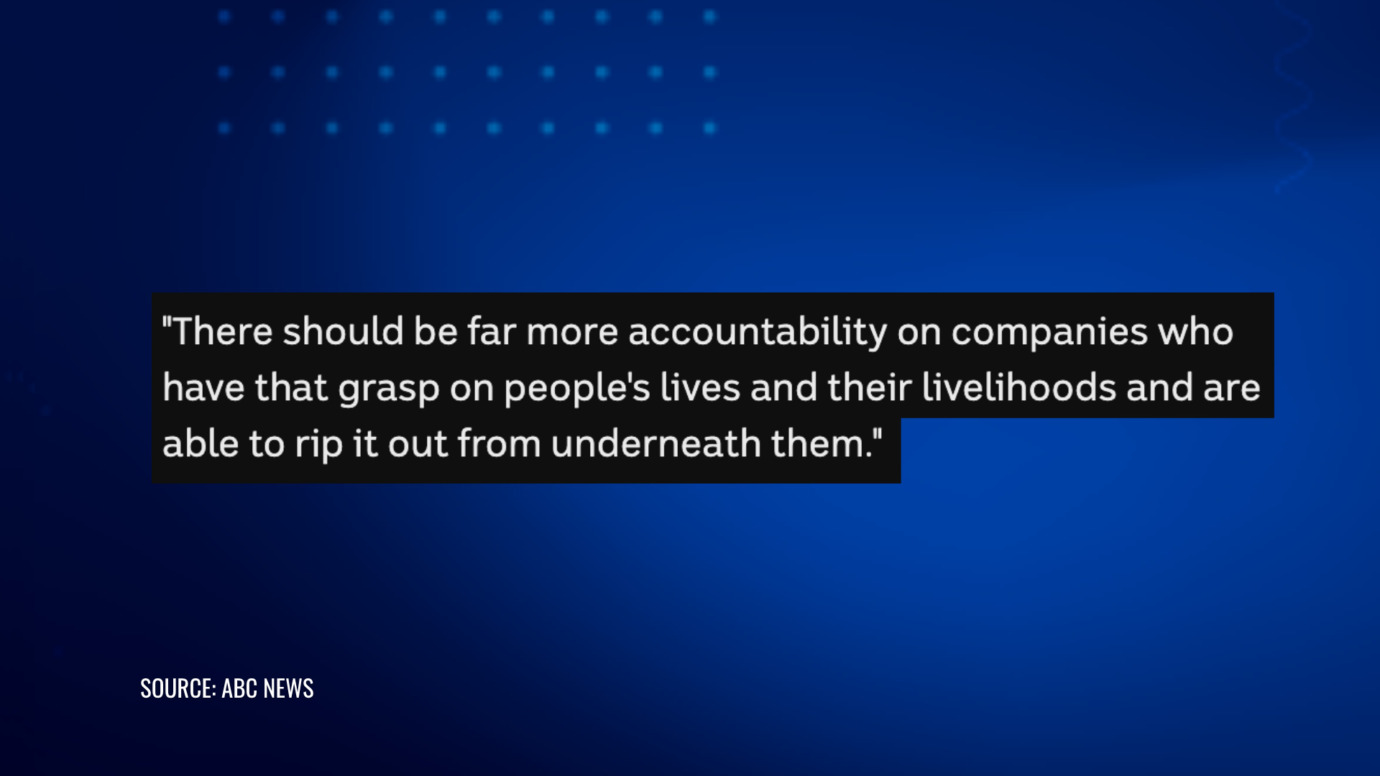
The stakes are not lost on business owners living through platform enforcement action, whether it stems from a disputed IP report or, as in one widely reported case, an unrelated automated moderation error that froze a bakery’s entire social media presence:
How Can I Prevent Future Advertising Restrictions?
A few habits meaningfully reduce the odds of a repeat restriction:
- Register your trademarks and keep documentation of ownership readily available, since you may need to produce it quickly during an appeal.
- Review ad copy and creative against Meta’s restricted content categories before launching, particularly for health, wellness, or financial claims.
- Keep Business Manager access limited to people who actually need it, since a compromised login or a careless team member is a common source of policy violations.
- Tag paid partnerships and sponsored content properly using Meta’s Branded Content tools, since mislabeled sponsorships can trigger both post removal and broader ad restrictions.
- If your ads make claims about product results or endorsements, make sure they are substantiated and properly disclosed. The FTC’s guidance on endorsements, influencers, and reviews is a useful reference point, since deceptive advertising rules under U.S. law and Meta’s own misleading-content policies frequently overlap.
- Monitor your Account Quality dashboard regularly rather than only after a restriction hits, so smaller issues get addressed before they compound.
When Should You Bring in a Lawyer Instead of Handling It Yourself?
Self-service appeals can work for isolated, clearly explainable policy issues. It is usually worth bringing in legal help when the restriction stems from an intellectual property complaint, when repeated appeals through Business Suite have gone nowhere, when the restriction is costing significant ad revenue during a peak selling period, or when you suspect a competitor filed a false report. These situations often benefit from a formally drafted response backed by trademark documentation, rather than another round of the standard appeal form.
Our Instagram account and content reinstatement service is built around cases like these: reviewing what actually triggered the restriction, drafting a targeted appeal, and escalating through the right channel when a standard request stalls. For the IP side of these disputes, whether you are defending against a false complaint or need to stop someone else from misusing your brand in the first place, our IP enforcement services cover both directions.
If your business or personal brand does not have a registered trademark yet, it is worth closing that gap before it becomes a bigger problem. Our trademark registration services help small businesses and creators secure the same documentation that can strengthen an Instagram IP appeal, though it does not guarantee a specific outcome.
Ready to Resolve Your Instagram Advertising Restriction?
If your Instagram business account is restricted from advertising and you are losing sales while the review process drags on, do not wait to see if it resolves on its own, especially if a trademark or intellectual property complaint is involved. Contact us to talk through your specific restriction, whether it involves your online store, a sponsorship or brand partnership, a competitor dispute, or a Meta policy flag, and get a clear plan for getting your ads back online.
PROTECT YOUR BRAND. GROW YOUR BUSINESS.
Rated 4.9 by 80+ clients on Google Reviews

Top 20
Trademark lawyer in the US*
Top 3
Service providers for Amazon sellers*
96%
Success rate for TM registrations
8000+
Clients Worldwide
Legal Disclaimer: The articles published on our platform are for informational purposes only and do not constitute legal advice in any form. They are not intended to be a substitute for professional legal counsel. For any legal matters, it is essential to consult with us or a qualified attorney who can provide advice tailored to your specific situation. Reliance on any information provided in these articles is solely at your own risk.
Frequently Asked Questions
Why is my Instagram business account restricted from advertising?
It’s usually one of a few things: an ad or piece of content that tripped Meta’s advertising or Community Standards policies, a trademark or copyright complaint filed against your Page or ad, a business verification or payment problem, or a violation tied to a linked Facebook Page or Business Manager. The restriction notice in Meta Business Suite or Ads Manager usually names the general category, though it doesn’t always give the full picture.
How long does an Instagram advertising restriction last?
It depends on the cause. A restriction tied to a single flagged ad often clears once the ad is fixed or removed, and the account passes review. A restriction tied to a serious or repeated violation, or to an unresolved intellectual property complaint, can last longer or become indefinite until Meta reaches a decision.
Does an advertising restriction affect my whole Instagram account?
Not always. Advertising restrictions typically block your ability to run paid ads while leaving your profile, posts, and messaging functional. That said, a restriction can apply at the ad account, Page, or Business Manager level, so it can affect more than one linked asset depending on what triggered it.
Can a competitor get my Instagram ads restricted?
Yes. Because Meta’s intellectual property reporting system is largely complaint-driven, a competitor or reseller can file a trademark or counterfeit report that freezes your advertising while Meta reviews it, even if the claim turns out to be unfounded.
How do I appeal an Instagram advertising restriction?
Submit a review request through Meta Business Suite or Ads Manager that cites the specific policy named in the notice, explains what was corrected, and includes supporting documentation where relevant. For restrictions tied to a trademark or copyright complaint, include proof of your rights, such as a trademark registration, since standard content-policy appeals rarely resolve IP-based restrictions on their own.
When should I hire a lawyer instead of appealing on my own?
Legal help is usually worth it when the restriction stems from an intellectual property complaint, when repeated appeals through Business Suite have not worked, when the restriction is costing significant ad revenue, or when you suspect a competitor filed a false report against you.
Read the latest from Cabilly & Co.
 Oct 12, 2026
Amazon Brand Registry – Discover for Free if You’re Eligible
Increase Your Chance of Getting a
Trademark to 96%


STAY UPDATED
Subscribe to Our Newsletter
Sign up to receive valuable information on E-Commerce and intellectual property
Have a legal question?