Book a FREE 15-minute consultation with an expert – Book Now

What Happens When Someone Files the Same Trademark Before You
Imagine you’ve been using your brand name for years. Then you search the United States Patent and Trademark Office (USPTO) database and find that someone else filed an application for the same, or very similar, mark last month. Or worse, you find out because the USPTO sends you an office action citing their application against yours. What now?
In this article, you’ll learn what your options are, what mistakes to avoid, and what steps to take next.
The Misconception That Catches Most Brand Owners Off Guard
Most people assume that because they used their brand name first, they’re protected. The US trademark system is often described as “first to use” rather than “first to file,” and that’s technically true. But here’s what that description leaves out: the USPTO doesn’t make that determination for you.
When the USPTO reviews your application, they look at what’s on the register and what’s pending. If someone filed before you, even if they started using the mark after you did, or have yet to use the mark at all, the examiner will cite their earlier application or registration against yours if the marks are sufficiently similar and the goods or services are related. A citation means the USPTO is refusing to register your application on the basis that it conflicts with the earlier-filed mark.
By the time most brand owners realize this, the window to act is already closing.
How the System Actually Works
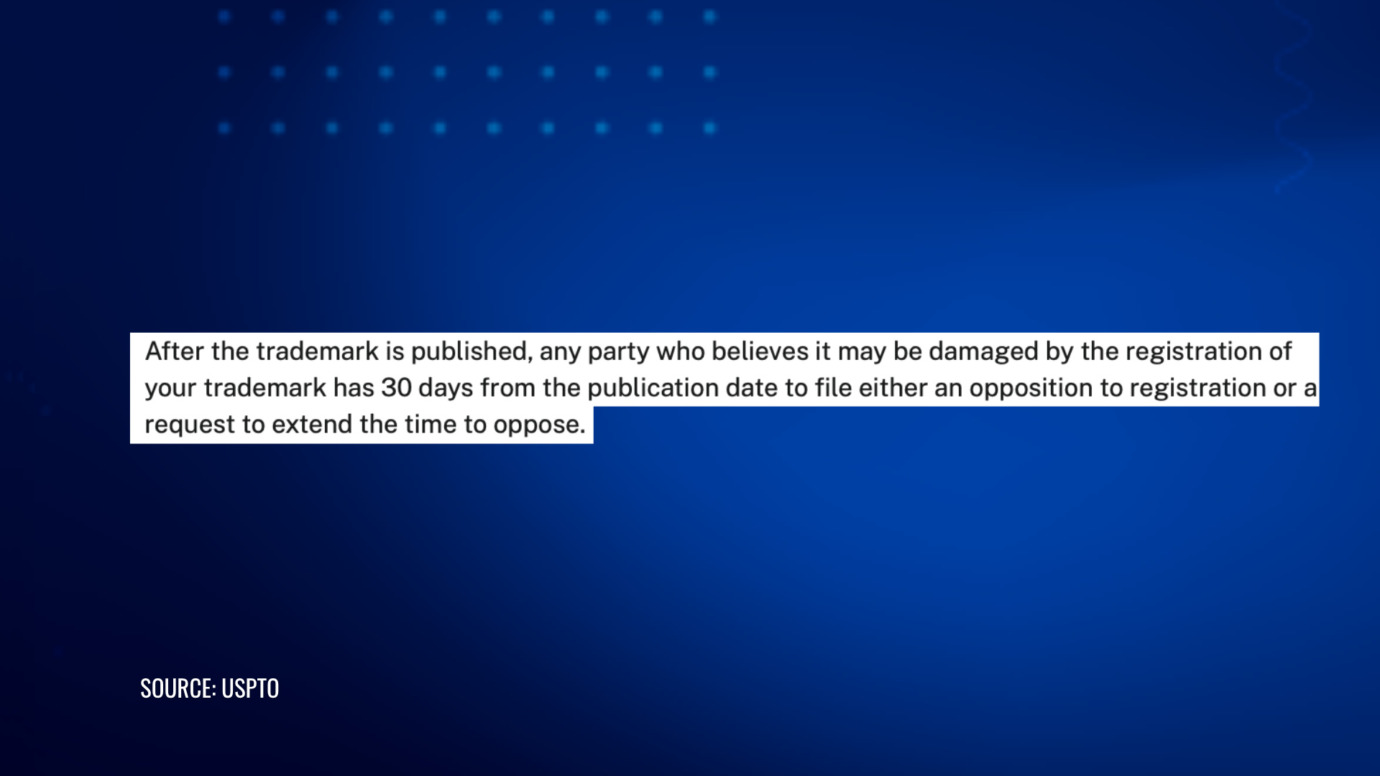
When someone files a trademark application, it goes through examination and, if approved, gets published for opposition. That publication period, typically 30 days, is your window to formally challenge the application before it registers. If you miss it, the mark registers, and your options become more limited and more expensive.
What Options Do You Have
If you discover a conflicting application or registration, the first step is to consult a trademark attorney. The analysis is fact-specific. How similar are the marks? How similar are the goods or services? And do you have earlier use that could support a likelihood-of-confusion argument? That assessment determines everything that follows, including whether and how to challenge, and on what grounds.
If you’ve determined there is merit to challenge, and you haven’t already filed your own application, doing so at this stage is an important step. It establishes your priority date and signals that you are a serious rights holder. Everything else builds from there.
If the application is still pending and has been published for opposition, this is the cleanest scenario. You have a 30-day window to file a Notice of Opposition or a Request for an Extension of Time to Oppose at the Trademark Trial and Appeal Board (TTAB), the USPTO’s administrative court for trademark disputes. An extension request buys additional time to investigate the conflict, assess your options, and explore whether a negotiated resolution is possible before committing to a formal proceeding.
It’s worth understanding that initiating a proceeding before the TTAB, whether an opposition or a cancellation, is essentially a form of litigation. These proceedings can be lengthy and costly, involving discovery, evidence submissions, and legal briefing. That is why acting early, ideally during the opposition window, and having experienced counsel on your side from the outset can meaningfully affect both the outcome and the cost, though results vary case by case.
A Notice of Opposition is also a common starting point for negotiations that lead to a coexistence agreement or a settlement, particularly when the goods or services are genuinely different, and both parties can operate without interfering with each other. A negotiated resolution is often faster and more cost-effective than a fully contested proceeding.
If the mark has already been registered, your options become more limited and the path more complex. Acting before registration, during the opposition window, is always preferable. The longer a registration has been in place, the harder it becomes to challenge. If you find yourself in this situation, getting legal advice quickly can make a significant difference to how much room you have to act.
The Mistakes That Cost Brand Owners the Most
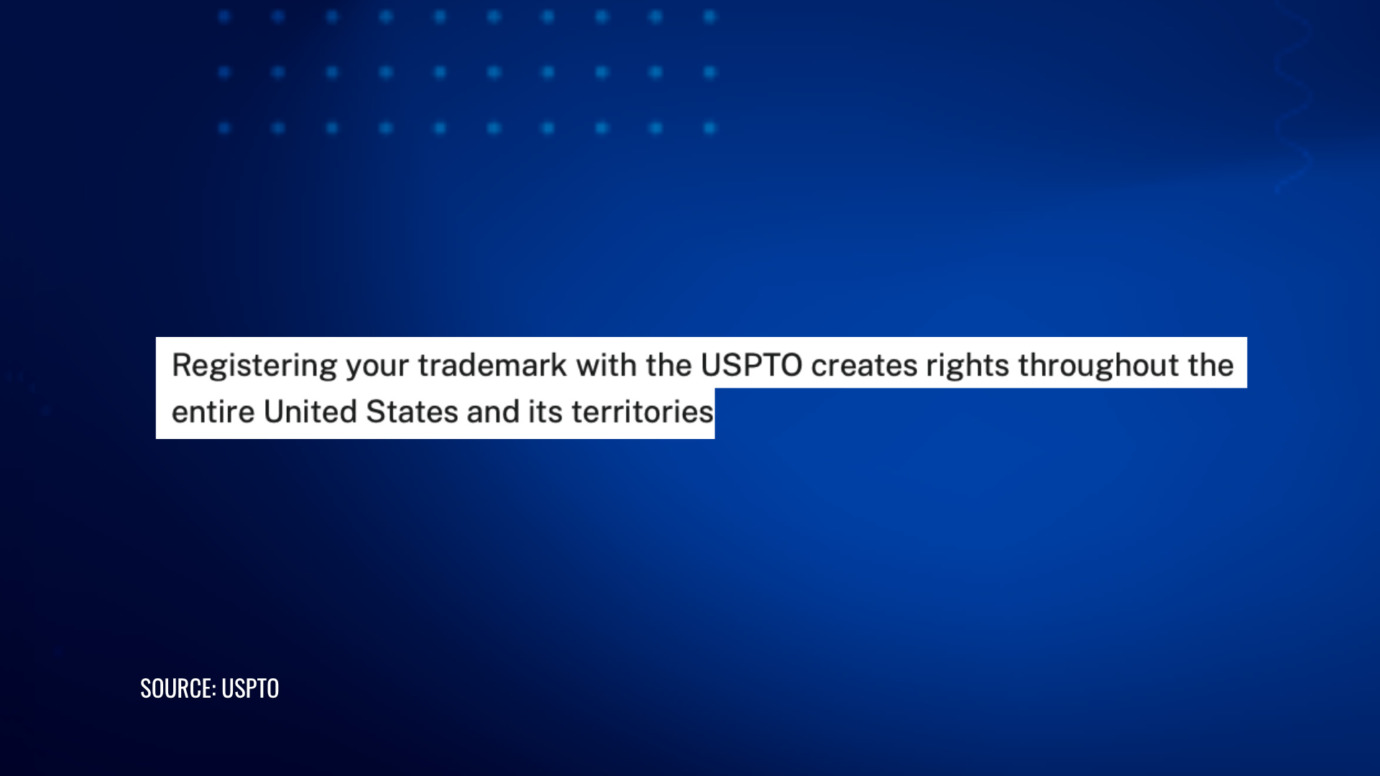
Assuming that use alone gives you nationwide protection. It doesn’t. Common law trademark rights based on use are geographically limited to where you actually operate. A registration gives you nationwide priority from the filing date.
Waiting to file until the business is bigger. The application you don’t file today is the rights you don’t have tomorrow.
Missing the opposition window. Thirty days goes faster than you think, especially if you only find out about a conflicting application because someone flags it for you.
The Bottom Line
A trademark registration is not just a certificate; it’s a timestamp that can determine who wins a dispute years down the line. If you’ve been using a mark without registration and someone files before you, you have options. But those options narrow quickly, and the window to act may be shorter than you think.
If you’ve found a conflicting application, received an office action citing someone else’s mark, or simply want to understand where you stand, consult a trademark attorney as early as possible.
Contact us today to learn how we can help you protect your brand and pursue your trademark rights. In these situations, timing can be crucial.
PROTECT YOUR BRAND. GROW YOUR BUSINESS.
Rated 4.9 by 80+ clients on Google Reviews

Top 20
Trademark lawyer in the US*
Top 3
Service providers for Amazon sellers*
96%
Success rate for TM registrations
8000+
Clients Worldwide
Legal Disclaimer: The articles published on our platform are for informational purposes only and do not constitute legal advice in any form. They are not intended to be a substitute for professional legal counsel. For any legal matters, it is essential to consult with us or a qualified attorney who can provide advice tailored to your specific situation. Reliance on any information provided in these articles is solely at your own risk.
Read the latest from Cabilly & Co.
 Oct 12, 2026
Amazon Brand Registry – Discover for Free if You’re Eligible
Increase Your Chance of Getting a
Trademark to 96%


STAY UPDATED
Subscribe to Our Newsletter
Sign up to receive valuable information on E-Commerce and intellectual property
Have a legal question?