Book a FREE 15-minute consultation with an expert – Book Now

Instagram Copyright Strike Removal: What to Do and How to File a Counter-Notice
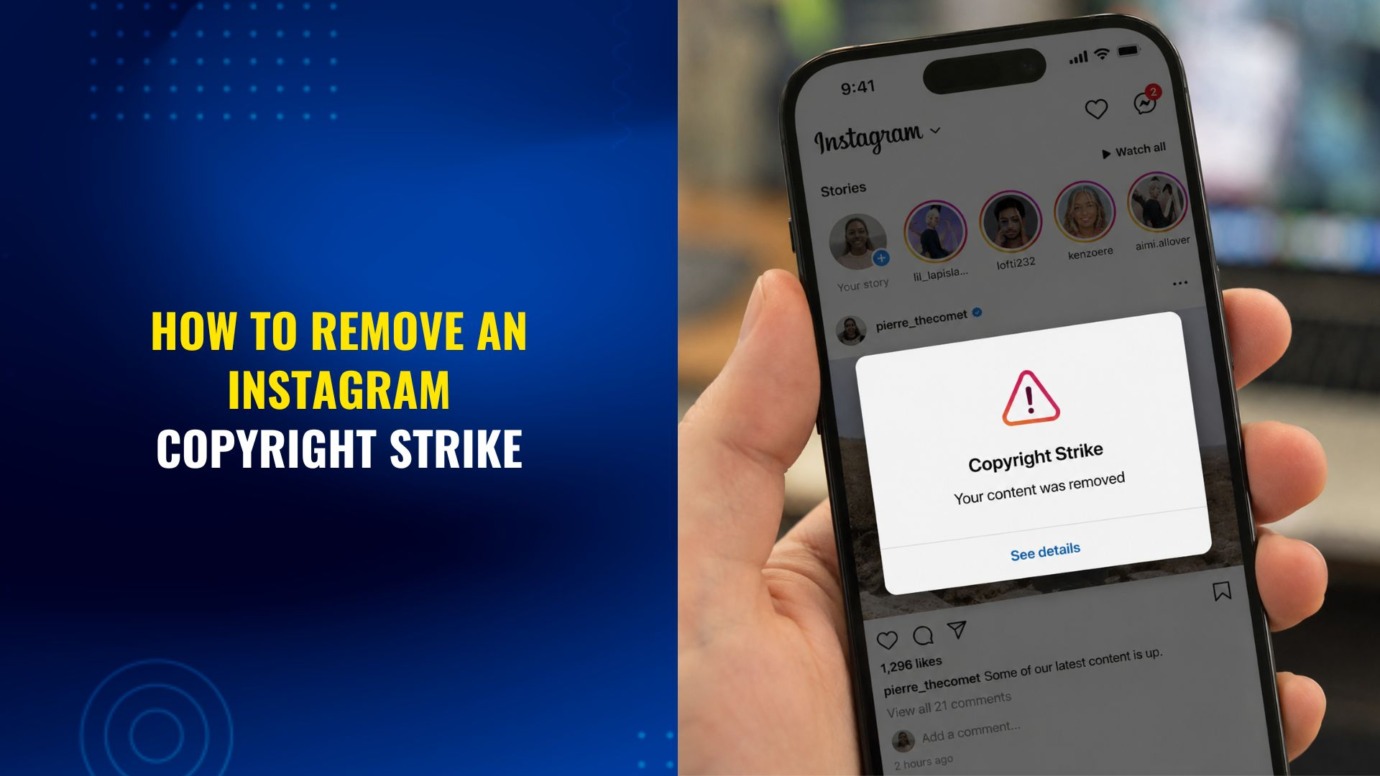
Your post is gone, and Instagram is telling you it happened because of a copyright report. If you run a business account or make a living from content, you’ll probably panic and think “Will my entire account disappear next?”
Our team helps business owners and creators push back on wrongful takedowns and get suspended accounts working again, and this guide walks through what a copyright strike means, what to do in the first hours after one lands, and how to file a DMCA counter-notice correctly the first time.
What Is an Instagram Copyright Strike?
Instagram, like every platform operating under U.S. law, has to respond when a rights holder reports that your post uses their copyrighted material without permission. When that report is accepted, three things typically happen in sequence: the specific post or reel comes down, you get a notification explaining why, and the removal is logged against your account.
That log entry is the “strike.” A single strike usually just means one post is gone. The real risk shows up when strikes accumulate, because Instagram is required to enforce a repeat infringer policy to keep its own legal protections under the DMCA. Our companion guide on how the repeat infringer policy actually works goes deeper into what does and does not count against an account long term.
It helps to separate two situations, because they call for different responses:
- The claim is valid. Someone used music, footage, or images they did not have rights to, and the report is accurate.
- The claim is wrong. The content is original, licensed, or fair use, and the report was mistaken, automated, or filed in bad faith.
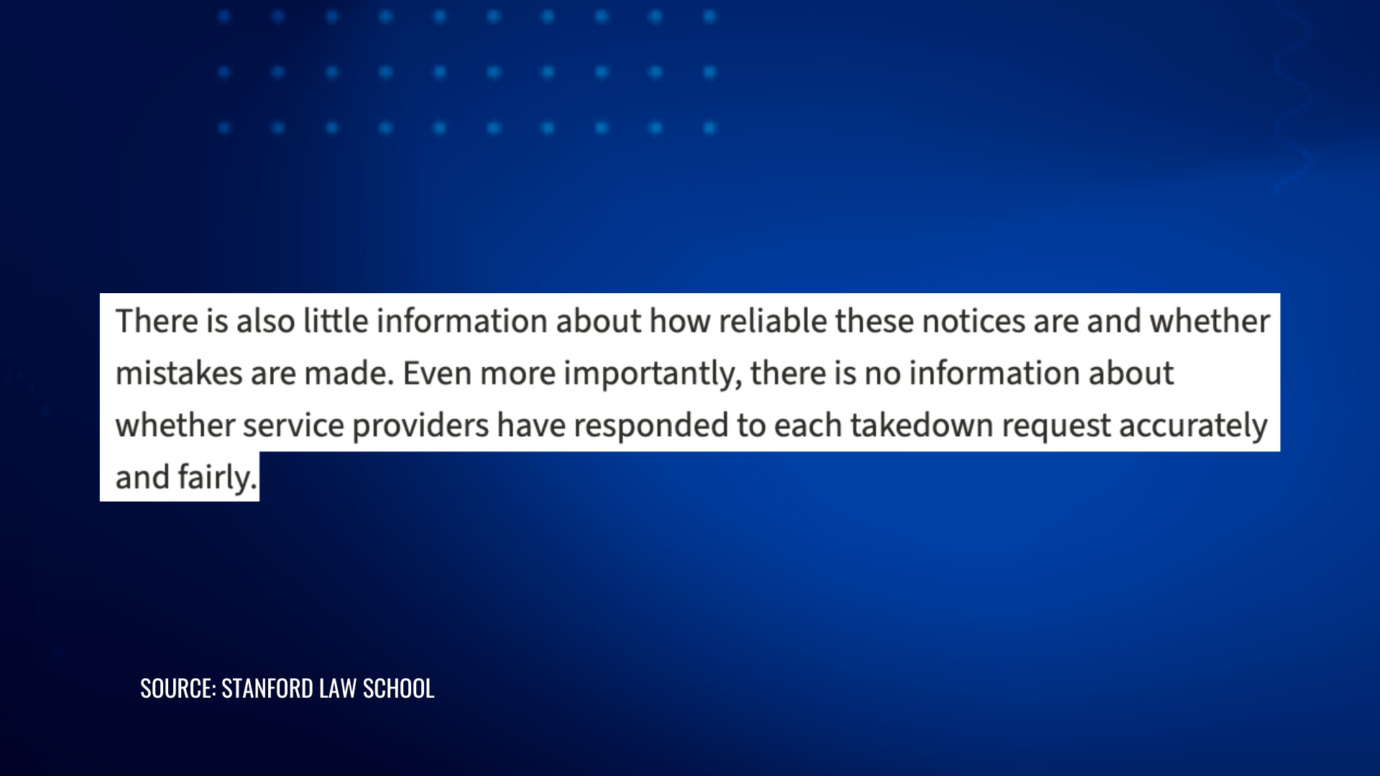
Everything below assumes the second situation, since that is when removal and a counter-notice are actually worth pursuing.
The First 24 Hours: What to Do Immediately After a Strike
Speed and documentation matter more than almost anything else at this stage.
Read the actual notification. Instagram’s takedown message tells you whether the content was removed under the DMCA or under a separate trademark process, and each has its own path forward. Filing the wrong type of response wastes time you do not have.
Save everything before it disappears. Screenshot the removal notice and any case or reference number Instagram provides. If your account is shared across a team, confirm who has admin access to gather this.
Pull your proof of ownership. Raw video files, project files, timestamps, or a license agreement are what turn “I believe this is mine” into something a platform, or a court, will actually credit.
Do not delete or edit related posts. Altering content connected to an active dispute can complicate your case.
Should You Appeal or File a DMCA Counter-Notice?
Instagram offers different tools depending on why the content came down.
If the removal was based on a trademark complaint, you will generally be offered an appeal rather than a DMCA counter-notice, since trademark disputes fall outside the DMCA’s notice-and-counter-notice framework.
If the removal was based on a copyright claim under the DMCA, a counter-notification is usually the correct tool, and it is the one this guide focuses on.
A counter-notice is not something to file reflexively. It is a sworn legal statement, made under penalty of perjury, that you have a good-faith belief the content was removed by mistake or misidentification. File one when:
- You created the content yourself, in full.
- You have a license or explicit permission to use the material.
- The reporter flagged the wrong post entirely.
Do not file one if the underlying claim is actually accurate. The DMCA has real consequences for false counter-notices too, not just false takedowns.
How to File an Instagram DMCA Counter-Notice, Step by Step
Step 1: Locate the counter-notification option. The removal notice Instagram sends generally includes instructions for submitting a counter-notice tied to that specific case.
Step 2: Identify the content precisely. State exactly what was removed and where it was posted, not a general description of your account.
Step 3: Write your good-faith statement. This is the sentence, made under penalty of perjury, asserting that you believe the removal happened due to mistake or misidentification.
Step 4: Provide full contact information. Name, address, and phone number are required. Instagram forwards this to the party who filed the original report, which is worth knowing before you submit.
Step 5: Consent to jurisdiction. A valid counter-notice includes your consent to the jurisdiction of the U.S. federal court where Instagram, or your address, is located, and your agreement to accept service of process from the original claimant. This matters enough to cover on its own below, especially if you are not based in the United States.
Step 6: Sign and submit. A physical or electronic signature completes the filing.
For a deeper walkthrough of counter-notice strategy, including how filers with weak claims tend to behave once a real deadline is on the table, see our full guide on fighting a false copyright claim on Instagram.
What Must a Valid Counter-Notice Include?
Miss any of these elements and the filing can be treated as defective, which sends you back to the start. According to the U.S. Copyright Office, an effective counter-notice generally requires:
- Your physical or electronic signature.
- Identification of the removed material and its original location.
- A statement, under penalty of perjury, that you have a good-faith belief the removal was a mistake or misidentification.
- Your name, address, and telephone number.
- Consent to the jurisdiction of the appropriate federal court.
What Happens After You File: The Timeline
Once Instagram receives an effective counter-notice, it forwards it to the original reporting party, and the clock starts.
According to Instagram’s own help documentation, if the reporting party does not notify Instagram that they have filed a court action within roughly 10 to 14 business days, Instagram may restore the content.
In practice, this shifts real pressure onto the accuser. Filing an actual federal lawsuit is expensive and public, so many parties who filed a weak or exaggerated report choose not to escalate. When that happens, content is often eligible for restoration once the window closes, though the outcome still depends on the specifics of each case.
The Jurisdiction Question for Business Owners Outside the U.S.
This is the part that catches business owners and agencies off guard most often.
Filing a counter-notice means consenting, in writing, to be sued in a U.S. federal court over this specific content if the original claimant chooses to escalate. For a business based outside the United States, that is not a formality. It is a real legal commitment, and it is worth a short conversation with counsel before you sign, particularly if the underlying dispute involves a competitor, a supplier, or anyone with the resources to actually follow through on a lawsuit.
What Should Business Accounts Weigh Before Filing?
Content creators usually think about one lost post. Business owners have a wider set of costs to consider.
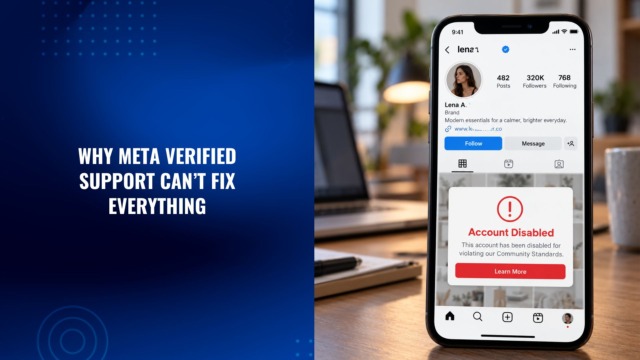
A strike against a business or advertising account can affect more than the single post. It can interrupt ad campaigns tied to that content, restrict access for team members managing the account, and, if strikes accumulate, put the entire account at risk under Instagram’s repeat infringer policy.
The stakes aren’t hypothetical, and they aren’t limited to copyright. Instagram’s automated enforcement gets it wrong across categories, sometimes with real business cost:
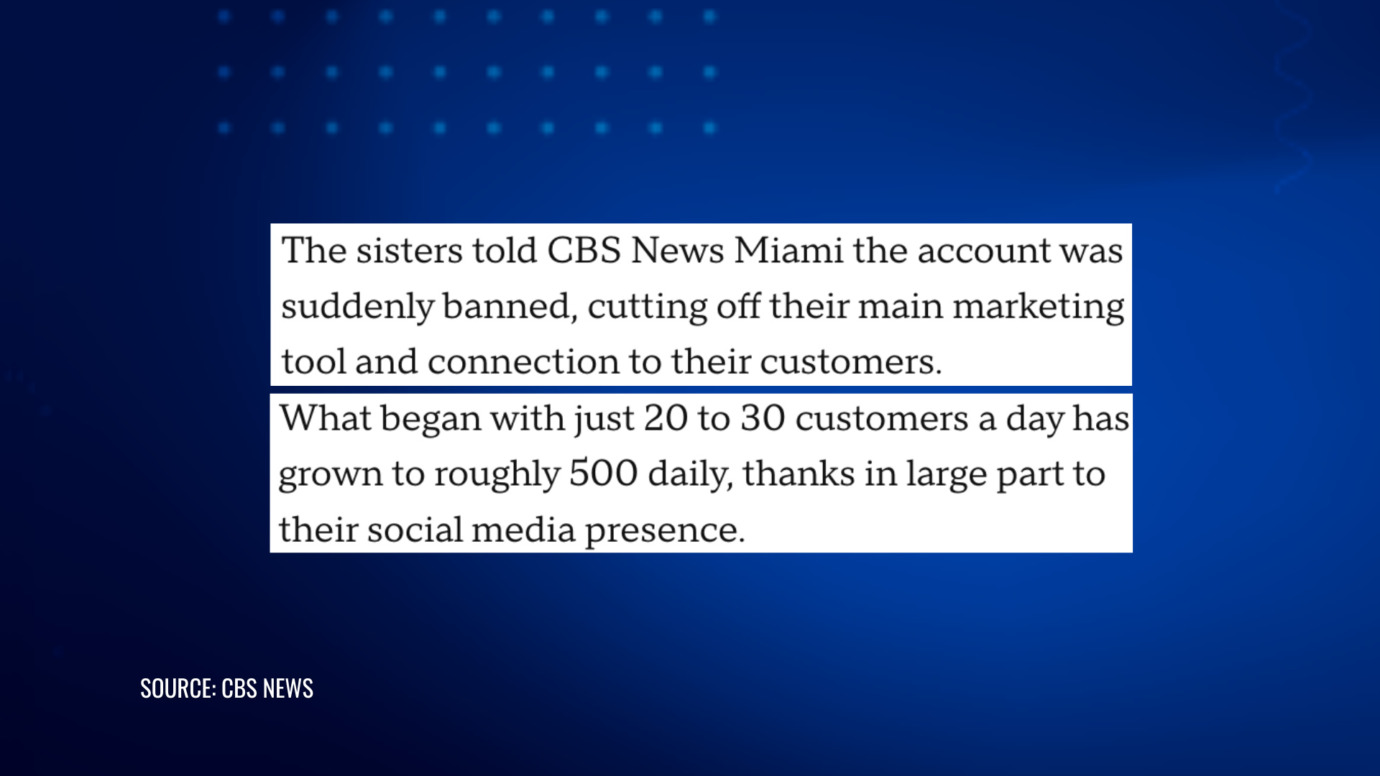
Before filing, it is worth asking internally who has access to the account, whether there is a paper trail showing who posted the content and when, and whether the business has licenses or releases on file for everything currently live. If posts keep getting pulled or the account itself is now flagged, our team handles Instagram account and content reinstatement directly, beyond just the counter-notice paperwork.
How Strikes Add Up: Protecting the Account, Not Just the Post
A single successful counter-notice does more than restore one post. Content that gets reinstated, whether through a counter-notice or a withdrawn report, is not treated as a violation. According to Instagram Help Center’s own policy notes, it still factors the restoration into its broader review for repeat infringement, so a clean record still matters more than volume of disputes.
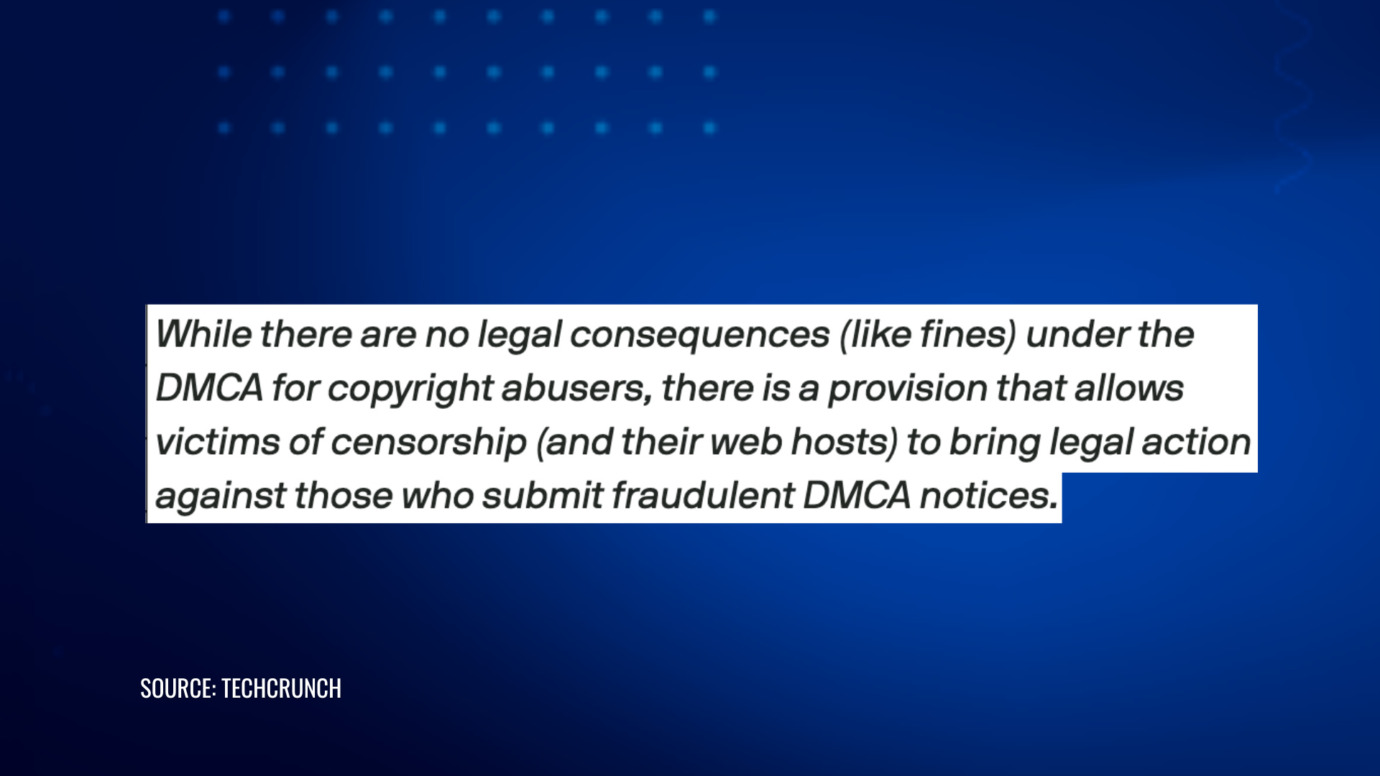
That is exactly why contesting a wrongful strike matters beyond the individual post. Letting a bad claim sit unchallenged leaves it on the account’s record. Our detailed breakdown of how many strikes it actually takes before Instagram suspends an account covers what counts, what does not, and how to keep a pattern of false reports from turning into a suspended business account.
A Quick Prevention Checklist for Teams
Removal and counter-notices are reactive. A few habits reduce how often you need them:
- License music and stock footage before publishing, not after a report arrives.
- Keep raw files, contracts, and permission emails organized by post, not scattered across inboxes.
- Get written approval before using a partner brand’s logo, packaging, or product photography.
- Review AI-generated content carefully, since the underlying rights can be murkier than they first appear.
- Limit and log who on the team has posting access, so you can trace the source of any disputed content quickly.
Talk to Someone Who Handles This
A copyright strike feels like the platform has already decided against you. It has not. The removal and counter-notice process exists specifically to correct mistaken and bad-faith claims, and it works when the filing is precise and the evidence is organized.
If your business or creator account has had a post removed over a copyright claim you believe is wrong, our team can help you prepare a proper counter-notification, weigh the jurisdiction consequences if you are based outside the U.S., and protect the account from further strikes. Contact us to talk through your Instagram copyright strike.
PROTECT YOUR BRAND. GROW YOUR BUSINESS.
Rated 4.9 by 80+ clients on Google Reviews

Top 20
Trademark lawyer in the US*
Top 3
Service providers for Amazon sellers*
96%
Success rate for TM registrations
8000+
Clients Worldwide
Legal Disclaimer: The articles published on our platform are for informational purposes only and do not constitute legal advice in any form. They are not intended to be a substitute for professional legal counsel. For any legal matters, it is essential to consult with us or a qualified attorney who can provide advice tailored to your specific situation. Reliance on any information provided in these articles is solely at your own risk.
Frequently Asked Questions
What is an Instagram copyright strike?
Instagram logs a “strike” against your account when it accepts a copyright report and removes the post or reel it targets. One strike usually removes only that single piece of content, but Instagram tracks accumulated strikes under its repeat infringer policy, and a pattern of strikes can put the entire account at risk of suspension.
Should I appeal or file a DMCA counter-notice?
File a DMCA counter-notice when Instagram removes your content over a copyright claim. Request an appeal instead when Instagram removes the content over a trademark complaint, because trademark disputes fall outside the DMCA’s notice-and-counter-notice process.
What must I include in an Instagram DMCA counter-notice?
You must include your physical or electronic signature, a precise identification of the removed material and where you originally posted it, a statement under penalty of perjury that you believe the removal happened by mistake or misidentification, your name, address, and telephone number, and your consent to the jurisdiction of the appropriate U.S. federal court. Instagram can treat a filing that omits any of these elements as defective and send you back to the start.
How long does it take Instagram to restore content after a counter-notice?
Instagram forwards your counter-notice to the original reporting party and starts a countdown. If that party does not tell Instagram it has filed a federal court action within roughly 10 to 14 business days, Instagram may restore your content. Many parties who filed a weak report decline to escalate, since a federal lawsuit is expensive and public.
What happens if I file a counter-notice from outside the United States?
You consent, in writing, to being sued in a U.S. federal court over that specific content if the original claimant escalates the dispute. Treat that consent as a real legal commitment rather than a formality, and talk to counsel before you sign, especially if the dispute involves a competitor or supplier with the resources to pursue litigation.
Can filing a false counter-notice get me in trouble?
Yes. A counter-notice is a sworn statement made under penalty of perjury, and the DMCA imposes real consequences for false counter-notices, not just false takedowns. Only file one if you created the content yourself, hold a license or explicit permission for it, or the reporter flagged the wrong post entirely.
What should a business account weigh before filing a counter-notice?
Weigh more than the single lost post. A strike against a business or advertising account can interrupt ad campaigns tied to that content, restrict team members’ access to the account, and, if strikes accumulate, put the entire account at risk under Instagram’s repeat infringer policy. Confirm who has admin access, gather a paper trail showing who posted the content and when, and verify you hold licenses for everything currently live before you file.
Does a restored post still count against my account?
No. Instagram does not treat content it reinstates, whether through a successful counter-notice or a withdrawn report, as a violation. Instagram still factors the earlier removal into its broader repeat-infringement review, so contesting a wrongful strike protects your account’s record, not just that one post.
Read the latest from Cabilly & Co.
 Oct 5, 2026
Amazon Brand Registry – Discover for Free if You’re Eligible
Increase Your Chance of Getting a
Trademark to 96%


STAY UPDATED
Subscribe to Our Newsletter
Sign up to receive valuable information on E-Commerce and intellectual property
Sed do eiusmod tempor incididunt ut labore